Impact of the Bank of Russia's Interest Rate Cut to 16% on Emerging Market Investment Patterns and Risk Assessment
Unlock More Features
Login to access AI-powered analysis, deep research reports and more advanced features
About us: Ginlix AI is the AI Investment Copilot powered by real data, bridging advanced AI with professional financial databases to provide verifiable, truth-based answers. Please use the chat box below to ask any financial question.
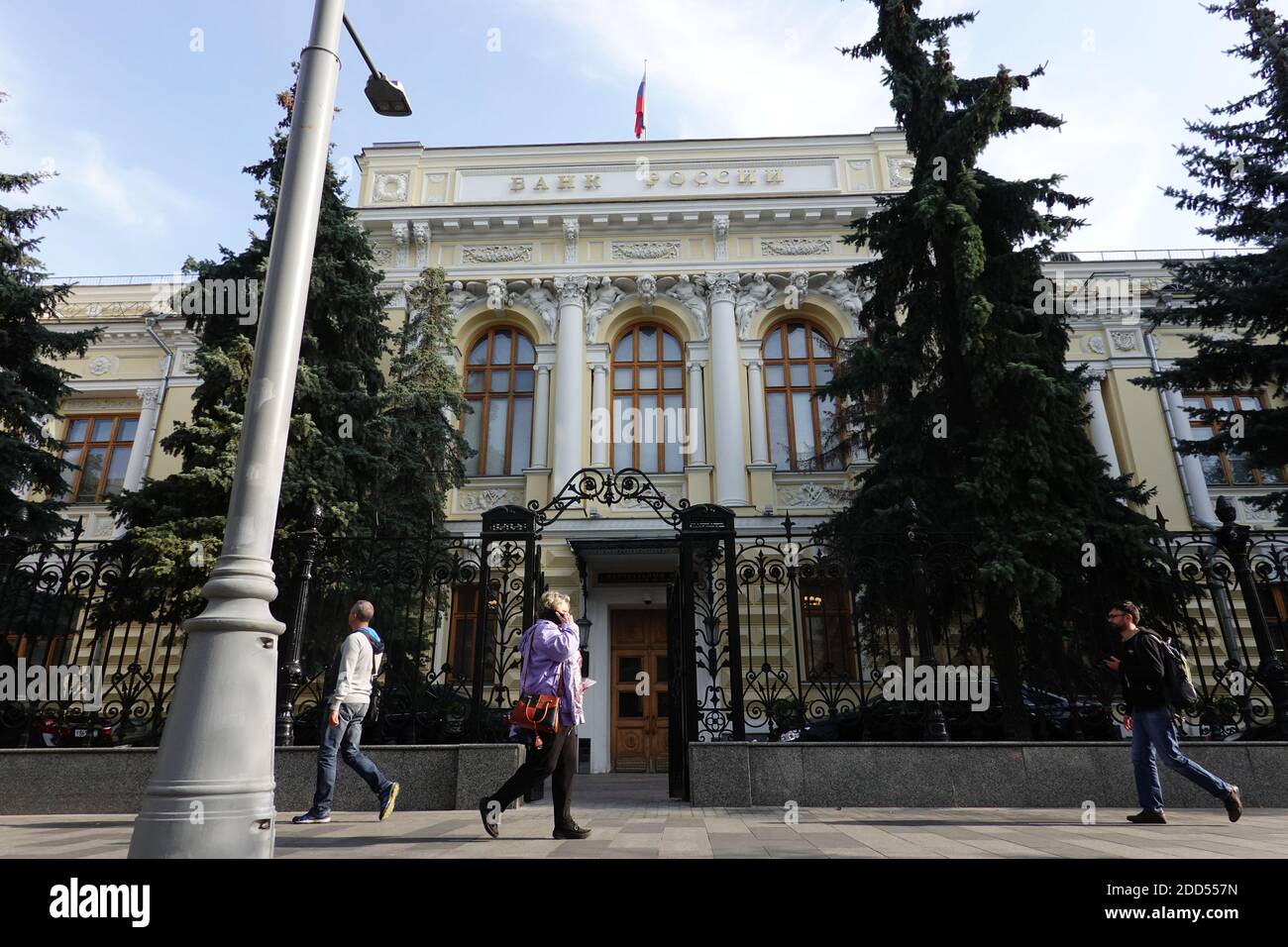
The Bank of Russia cut its benchmark interest rate from 16.5% to 16.00% on December 19, 2025, marking the country’s 5th rate cut since June 2025, following a recent peak of 21% [0]. This decision is not an isolated event; in December 2025, central banks of 8 emerging economies including Russia implemented rate cuts, pushing the total number of basis points cut by emerging markets for the year to 3,085, the largest easing since at least 2021 [0]. In the same period, central banks of 9 major developed economies also cut rates by a total of 850 basis points, forming a global easing cycle that reflects the common trend of slowing global economic growth and easing inflationary pressures [0].
-
Investment Attractiveness and Capital Flows: As an important emerging market, Russia’s rate cut decision reflects the overall shift in emerging markets’ monetary policy, which may enhance the overall investment attractiveness of emerging markets. On the day of the rate cut, Mexico’s IPC Index (^MXX) rose 0.30% and India’s Nifty 50 Index (^NSEI) rose 0.21%, reflecting stable overall sentiment in emerging markets [0]. However, there is currently no direct evidence that Russia’s rate cut will lead to significant changes in capital flows in emerging markets [0].
-
Policy Differentiation and Reference Significance: Although the world is in an easing cycle, Russia’s monetary policy is greatly influenced by geopolitical factors and differs from other emerging markets [0]. Investors need to analyze Russia’s policy adjustments in combination with those of other emerging economies and cannot simply regard them as a unified policy signal for emerging markets.
-
Geopolitical Risk: The conflict between Russia and Ukraine continues, and Western sanctions against Russia are still in place. These factors may affect Russia’s economic and financial stability at any time [0].
-
Exchange Rate Risk: Fluctuations in the Russian ruble exchange rate are greatly influenced by energy prices, geopolitical situations, and capital flows. Investors need to closely monitor the impact of exchange rate changes on investment returns [0].
-
Inflation and Policy Shift Risk: Despite implementing rate cuts, the Bank of Russia still stated that it will maintain a tight monetary policy tone, mainly because upcoming tax increase measures may trigger an inflation rebound [0]. Governor Elvira Nabiullina warned that if inflationary pressures increase, the policy direction may need to be adjusted [0].
-
Consistency and Differences in the Global Easing Cycle: Central banks around the world generally cut rates in 2025, reflecting the common challenges facing the global economy. However, Russia’s policy adjustments are influenced by geopolitical factors and differ from other economies. Investors need to analyze the policy background of each country specifically.
-
Balance Between Risks and Opportunities: Russia’s rate cut brings potential opportunities for emerging market investment, but geopolitical, exchange rate, and inflation risks cannot be ignored. Investors need to carefully evaluate the risk-return ratio and avoid blind following.
-
Limited Nature of Policy Signals: A single rate cut has limited impact on the market. Investors need to observe subsequent policy trends and economic data, especially the impact of upcoming tax increase measures on inflation and economic growth.
-
Increased Overall Investment Attractiveness of Emerging Markets: The global easing cycle may drive capital flows to emerging markets in search of higher returns.
-
Gradual Stabilization of Russia’s Economy: Rate cuts indicate that Russia’s inflationary pressures are easing and its economy is gradually stabilizing, providing a basis for long-term investment.
-
Geopolitical Risk: The conflict between Russia and Ukraine and Western sanctions may escalate at any time, affecting economic and financial stability.
-
Exchange Rate Volatility Risk: The ruble exchange rate is affected by multiple factors and is highly volatile, which may erode investment returns.
-
Diversified Investment: Diversify funds across different emerging economies to reduce geopolitical risks in a single country.
-
Exchange Rate Hedging: Consider using exchange rate hedging tools to reduce the impact of exchange rate fluctuations on investment returns.
-
Closely Monitor Policy and Economic Data: Regularly evaluate the policy trends and economic data of Russia and other emerging markets and adjust investment strategies in a timely manner.
-
Risk Assessment Tools: Use risk assessment models to quantify the impact of geopolitical and exchange rate risks on investment portfolios.
The Bank of Russia’s rate cut to 16.00% is part of the global easing cycle in 2025 and has reference significance for the emerging market investment landscape, but the policy still maintains a tight tone. Investors need to pay attention to risks such as geopolitical tensions, exchange rate fluctuations, and potential inflation rebound, and adopt strategies such as diversified investment, exchange rate hedging, and close monitoring of policy data to应对 risks. At the same time, it is necessary to recognize that the impact of a single policy adjustment is limited and comprehensive evaluation of investment opportunities should be combined with subsequent developments.
Insights are generated using AI models and historical data for informational purposes only. They do not constitute investment advice or recommendations. Past performance is not indicative of future results.
About us: Ginlix AI is the AI Investment Copilot powered by real data, bridging advanced AI with professional financial databases to provide verifiable, truth-based answers. Please use the chat box below to ask any financial question.