Analysis of Elon Musk’s Reinstated Tesla Compensation, Texas Relocation, and Impacts on Governance, Shareholder Rights, and Valuation
Unlock More Features
Login to access AI-powered analysis, deep research reports and more advanced features
About us: Ginlix AI is the AI Investment Copilot powered by real data, bridging advanced AI with professional financial databases to provide verifiable, truth-based answers. Please use the chat box below to ask any financial question.
Related Stocks
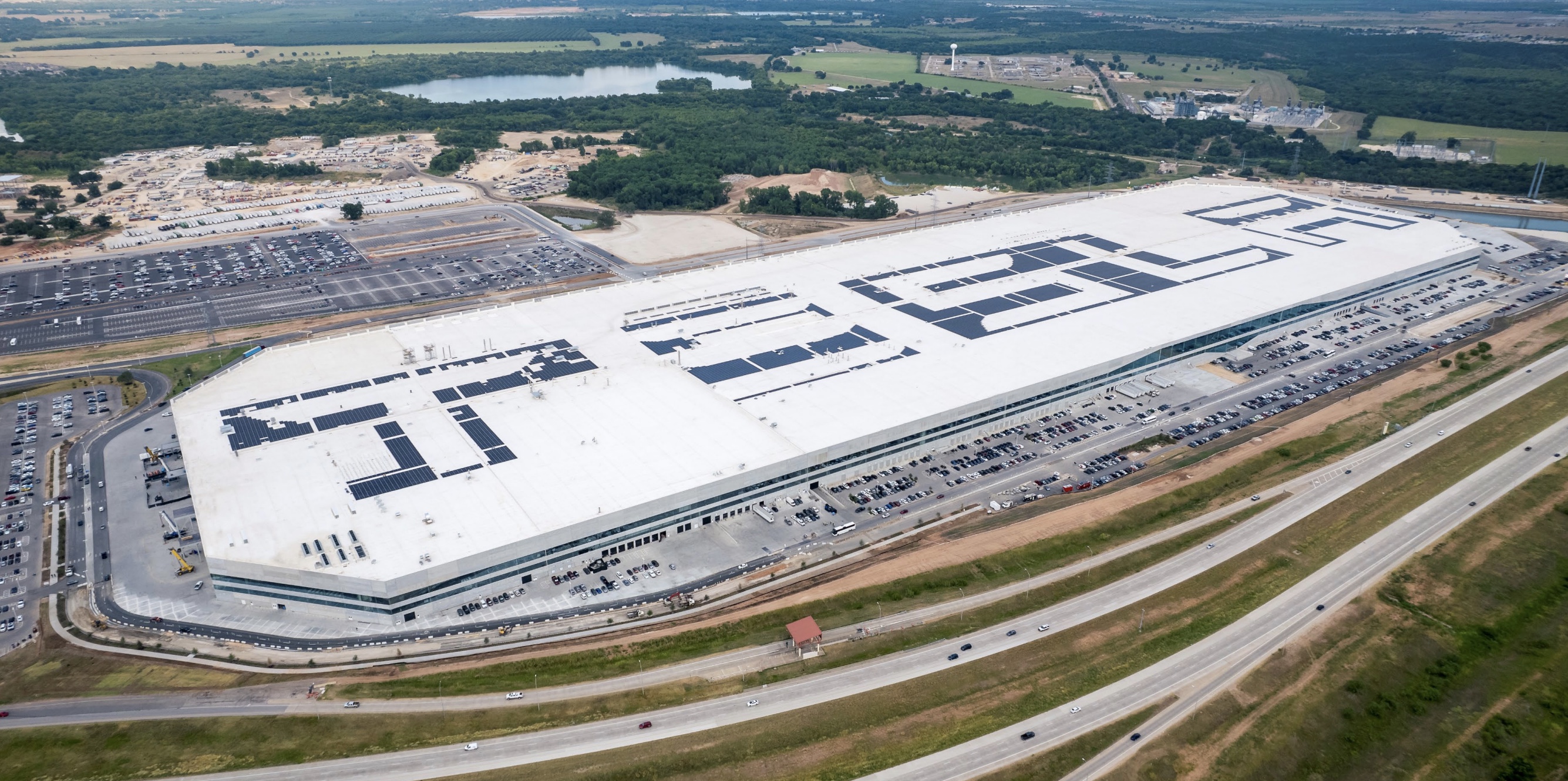
The core events under review include the Delaware Supreme Court’s reinstatement of Elon Musk’s 2018 compensation package (originally valued at $56B, now ~$140B) on Dec 19, 2025, Tesla’s reincorporation from Delaware to Austin, Texas, and shareholder approval of a new 10-year compensation plan worth up to $1T in November 2025.
- Governance Structure: The reinstatement reinforces Musk’s dominant role at Tesla, as the package rewards him for achieving pre-defined company milestones that Tesla has already met. The board’s support for both the reinstated and new packages underscores alignment between leadership and Musk’s long-term strategic vision, potentially solidifying his control over key decisions.
- Shareholder Rights: Tesla’s move to Texas is significant because Texas corporate law is generally more CEO-friendly and less plaintiff-friendly for shareholder lawsuits. The original event context mentions a potential 3% shareholder threshold (worth ~$30B) to file corporate law violations—effectively limiting this right to Musk alone—though this threshold remains unconfirmed by public sources [0].
- Valuation Prospects: Tesla’s stock rose 13.14% from Dec 1-19, 2025, likely driven by investor optimism about Musk’s leadership and robotaxi developments [0]. With a market cap of $1.56T and current price of $485.56, the company’s 297x P/E ratio suggests overvaluation concerns (e.g., Michael Burry’s public comments). The new $1T compensation package also carries risks of shareholder dilution [0].
- The combination of the reinstated compensation and Texas relocation solidifies Musk’s dominance over Tesla’s governance, reducing traditional shareholder checks and balances.
- Texas’s corporate laws may shield Tesla from shareholder lawsuits, potentially limiting accountability despite the company’s large market capitalization.
- Tesla’s valuation is increasingly tied to long-term, uncertain ambitions (robotaxi, AI), creating a gap between short-term investor sentiment and fundamental valuation metrics.
- Shareholder dilution from the new $1T compensation package [0].
- High P/E ratio (297x) indicating potential overvaluation [0].
- Reduced shareholder ability to hold management accountable under Texas law.
- Unverified 3% threshold for filing corporate violations [0].
- Musk’s leadership alignment with Tesla’s long-term strategic goals (robotaxi, AI) may drive future growth.
- Short-term investor optimism could continue to support stock performance in the near term [0].
- Delaware Supreme Court reinstated Musk’s 2018 compensation package (now ~$140B) on Dec 19, 2025.
- Tesla reincorporated from Delaware to Texas, with Texas law being less plaintiff-friendly for shareholder lawsuits.
- A new 10-year compensation package (up to $1T) was approved by 72% of shareholders in November 2025.
- Tesla’s stock rose 13.14% Dec 1-19, 2025, with a market cap of $1.56T and P/E ratio of 297x [0].
- Overvaluation and shareholder dilution concerns exist, while Musk’s leadership remains a key driver of investor sentiment [0].
悉智科技双轮驱动策略的技术护城河与增长潜力分析
Insights are generated using AI models and historical data for informational purposes only. They do not constitute investment advice or recommendations. Past performance is not indicative of future results.
About us: Ginlix AI is the AI Investment Copilot powered by real data, bridging advanced AI with professional financial databases to provide verifiable, truth-based answers. Please use the chat box below to ask any financial question.