
China Auto Market Competition Landscape: Analysis of Geely Galaxy Series' Competitive Strategy
Unlock More Features
Login to access AI-powered analysis, deep research reports and more advanced features
About us: Ginlix AI is the AI Investment Copilot powered by real data, bridging advanced AI with professional financial databases to provide verifiable, truth-based answers. Please use the chat box below to ask any financial question.
Related Stocks
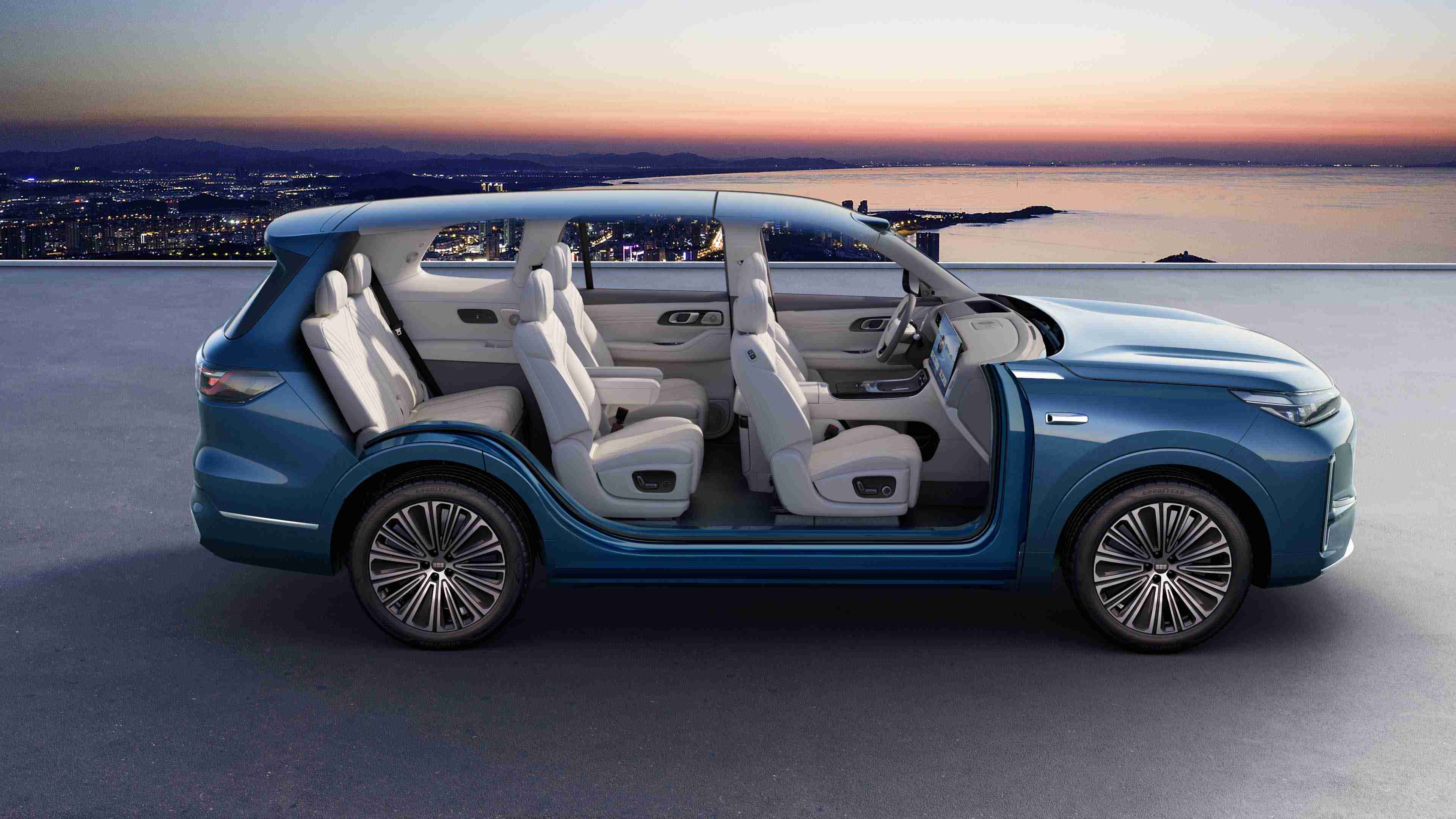
This analysis focuses on changes in the competitive landscape between Geely and BYD in the Chinese auto market, with an emphasis on the performance of models in entry-level and mid-to-high-end price segments. According to the provided sales data, Geely Star Wish sold 44,000 units in November, far exceeding BYD Seagull’s 21,800 units [0]; in the mid-to-high-end market, Geely Galaxy M9 achieved sales of 10,639 units, while BYD Tang L only sold about 2,000 units [0]. This sales gap reflects Geely’s success in product positioning, configuration, and pricing strategies. Through targeted model layout and market alignment, Geely has surpassed its main competitors.
The competitive strategy of Geely Galaxy series demonstrates precise market positioning and differentiated advantages. In the entry-level market, Star Wish may have attracted more users through configurations that better meet consumer needs and competitive pricing strategies; in the mid-to-high-end market, Galaxy M9 may have gained market recognition through stronger product strength and brand upgrading strategies. This cross-price-segment success indicates that Geely has strong flexibility and execution capabilities in product planning and market response [0].
For Geely, the current sales advantage provides an opportunity to further consolidate its market position, but it also needs to be vigilant about possible strategic adjustments by competitors—for example, BYD may carry out configuration upgrades or price adjustments targeting Geely’s advantageous models. At the same time, the differences between Xiaomi Auto and BYD in terms of R&D investment efficiency and market demand alignment are also worthy of attention, which may bring new variables to the market competition pattern.
This analysis focuses on changes in the competitive landscape of the Chinese auto market, with a detailed comparison of the competition between Geely and BYD in different price segments. Data shows that Geely Galaxy series has achieved sales overtaking of BYD in both entry-level and mid-to-high-end markets, verifying the effectiveness of its competitive strategy. The report only presents market competition facts and data analysis, and does not provide specific investment advice.
This analysis does not involve image content, so no image verification is needed.
Insights are generated using AI models and historical data for informational purposes only. They do not constitute investment advice or recommendations. Past performance is not indicative of future results.
About us: Ginlix AI is the AI Investment Copilot powered by real data, bridging advanced AI with professional financial databases to provide verifiable, truth-based answers. Please use the chat box below to ask any financial question.