Analysis of the Impact of Japan's Restart of the World's Largest Nuclear Power Plant on the Nuclear Power Industry and Energy Investment
Unlock More Features
Login to access AI-powered analysis, deep research reports and more advanced features
About us: Ginlix AI is the AI Investment Copilot powered by real data, bridging advanced AI with professional financial databases to provide verifiable, truth-based answers. Please use the chat box below to ask any financial question.
Related Stocks
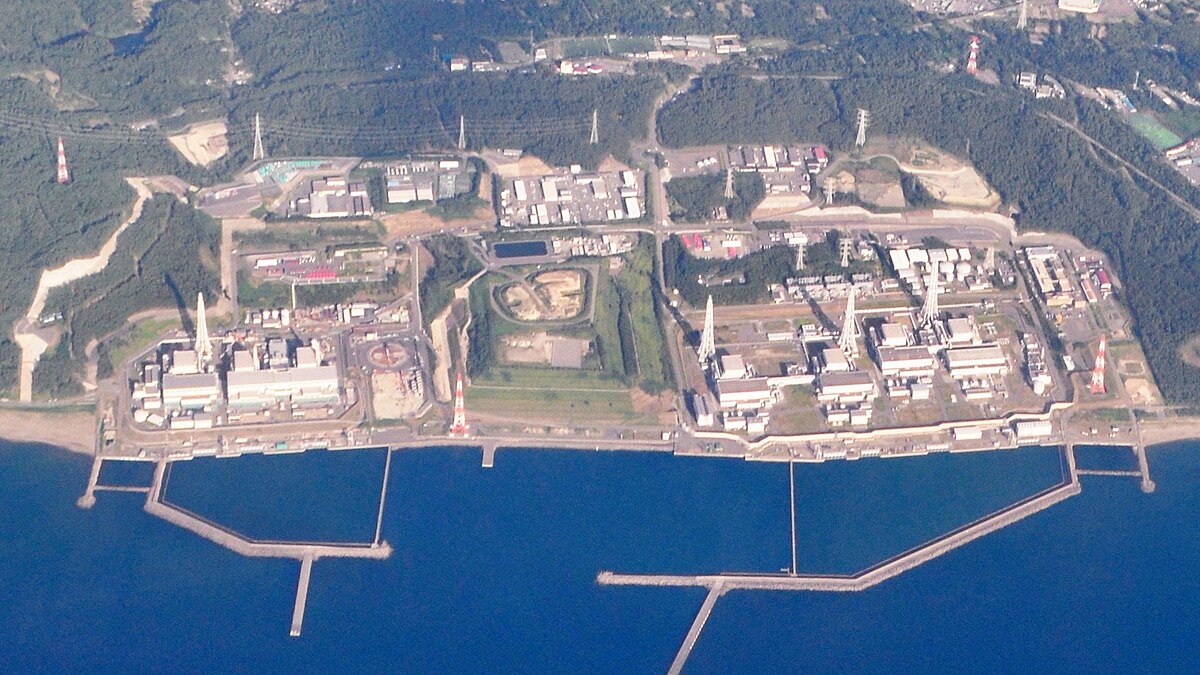
- Event Background and Policy Shift: On December 22, 2025, Japan approved the restart of the Kashiwazaki-Kariwa Nuclear Power Plant located in Niigata Prefecture. With a total installed capacity of 8.212 million kilowatts, it is the world’s largest nuclear power plant [1]. After the Fukushima nuclear accident, Japan shut down all nuclear power units. This restart, along with the goal of doubling the share of nuclear power to 20% by 2040, aims to reduce reliance on expensive imported fossil fuels and ensure energy security [2].
- Global Nuclear Power Industry Trends: According to data from the International Energy Agency (IEA), global nuclear power generation will reach approximately 2900 TWh in 2025, a record high, accounting for 10% of global electricity production [3]. Currently, there are 63 nuclear reactors (with a total installed capacity of 71 GW) under construction worldwide, the highest level since 1990. More than 40 countries support the expansion of nuclear energy applications, and China accounts for 25 of the 52 global new projects since 2017 [3][4].
- Market Reaction: In the uranium market, which is upstream of nuclear power, the Uranium ETF (URA) has risen 4.86% since December, reflecting investors’ positive expectations for the recovery of the nuclear power industry [0]. When restart expectations heated up on December 19, URA rose 3.94%; however, on the approval day (December 22), it closed down 0.99% due to short-term profit-taking [0].
- Policy Signal Significance: Japan’s decision to restart the world’s largest nuclear power plant marks the gradual return of nuclear power to mainstream energy status after the Fukushima accident, which may push other countries focusing on energy security and decarbonization goals to accelerate adjustments to their nuclear power policies.
- Role in Energy Transition: As a stable baseload energy source, nuclear power can complement intermittent renewable energy, providing a more stable low-carbon solution for the global energy transition, especially against the backdrop of the “Triple Nuclear Energy Declaration” proposed at COP28 [4].
- Market Sentiment and Investment Logic: The short-term fluctuations of URA reflect the market’s cautious optimism about the recovery of nuclear power: in the long run, the growth in nuclear power demand will drive investment opportunities in the uranium supply chain; however, short-term profit-taking is prone to occur due to news influences.
- The recovery of the nuclear power industry will directly drive investment opportunities in supply chain links such as uranium mining and nuclear equipment manufacturing [0].
- The global trend of nuclear power expansion provides market space for related technology research and development and operation services.
- About 60% of residents in Niigata Prefecture, Japan, oppose the restart, worrying about nuclear safety and Tepco’s operational capabilities, which may affect the actual progress of the restart [2].
- Nuclear power projects still face challenges such as high construction costs and long construction periods, and there are uncertainties in the global recovery process.
- Short-term market fluctuations may bring investment risks; dynamic changes in policy implementation and project progress need to be watched.
Japan’s restart of the world’s largest nuclear power plant is a major shift in its energy policy, reflecting the renewed emphasis on the role of nuclear power in the global energy transition. The global nuclear power industry is in a growth cycle, with more than 40 countries supporting the expansion of nuclear energy applications. Investors should pay attention to the long-term investment opportunities and short-term fluctuations in the uranium market, while noting the challenges such as safety, cost, and public acceptance faced by nuclear power projects.
Insights are generated using AI models and historical data for informational purposes only. They do not constitute investment advice or recommendations. Past performance is not indicative of future results.
About us: Ginlix AI is the AI Investment Copilot powered by real data, bridging advanced AI with professional financial databases to provide verifiable, truth-based answers. Please use the chat box below to ask any financial question.