Impact of Core Risk Management Practices on Long-Term Trading Profitability for Individual Traders
Unlock More Features
Login to access AI-powered analysis, deep research reports and more advanced features
About us: Ginlix AI is the AI Investment Copilot powered by real data, bridging advanced AI with professional financial databases to provide verifiable, truth-based answers. Please use the chat box below to ask any financial question.
This analysis is based on 11 trading lessons from a consistently profitable trader [0], exploring the impact of three core risk management and performance practices: position sizing, journaling, and taking 100% responsibility.
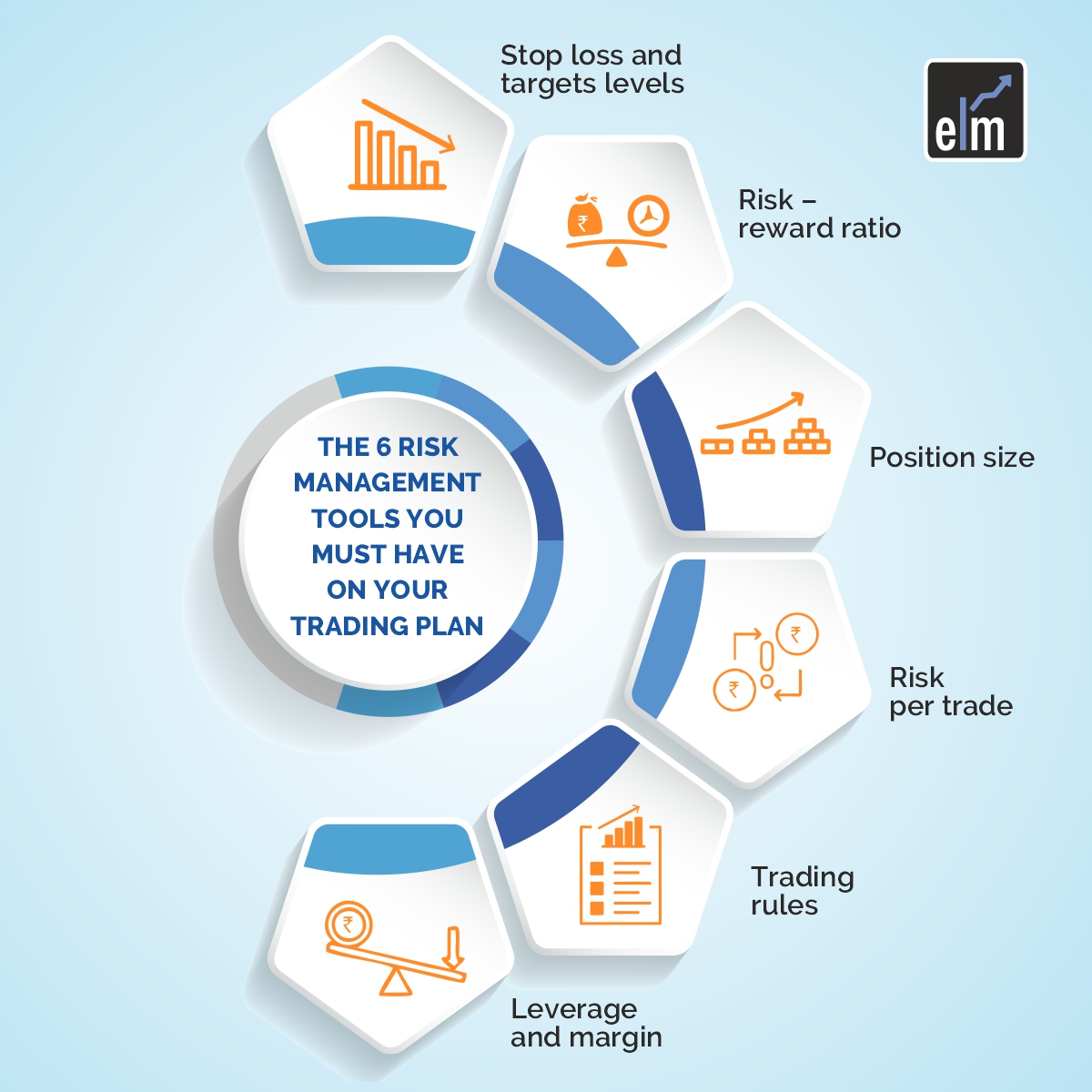
- Position sizing(determining capital allocation per trade) is critical for capital preservation: overly large positions can lead to account “blow-up” from small adverse movements [4], while a 1-2% capital risk per trade rule (a widely accepted benchmark) ensures sustainable exposure [9].
- Journaling, described as “non-negotiable” by the experienced trader [8], transforms subjective experience into objective data by tracking entries/exits, setups, emotions, and outcomes [6], bypassing biased memory to uncover repeating patterns (e.g., mistakes in volatile markets) [7].
- Taking 100% responsibilityshifts focus from uncontrollable external factors (market volatility, luck) to internal controllables (motivation, strategy, emotions), fostering self-reflection and accountability [5].
These practices operate synergistically: position sizing preserves capital, allowing traders to stay active long enough for their edge to play out [2][3]; journaling provides data to identify weaknesses [6][7]; and accountability ensures traders act on those insights [5]. The trader’s transition to consistent profitability after implementing these practices [0], combined with external expert corroboration [2][3][9], validates their cumulative impact.
- Holistic System, Not Standalone Practices: The three practices are part of a broader framework (including strategy simplicity, liquidity understanding, and psychological discipline) [0], emphasizing that success requires aligning technical, psychological, and organizational elements.
- Psychological Depth: Journaling (tracking emotions) and accountability (avoiding external blame) directly address trading psychology—an underrated but critical component of long-term success [5][6].
- Standardized Position Sizing Benchmark: The 1-2% capital risk rule is widely accepted for retail traders, balancing risk and reward to prevent catastrophic losses while maintaining growth potential [9].
- Journaling Quality Matters: Effective journaling requires tracking both quantitative (returns, risk) and qualitative (emotions, decision rationale) data to derive actionable insights [6].
- Over-sizing positions increases account depletion risk, eliminating long-term profitability potential [4].
- Skipping journaling leads to repeated mistakes due to biased memory, stalling performance improvement [7].
- Blaming external factors prevents traders from addressing internal weaknesses, hindering growth [5].
- Enhanced long-term sustainability: Position sizing and journaling reduce drawdowns and improve decision consistency [2][6].
- Continuous improvement: Accountability ensures traders use journal insights to refine strategies over time [5].
- Predictable performance: Consistent position sizing creates reliable profit/loss patterns, making strategies more evaluable [2].
- Position sizing (1-2% capital risk per trade) is foundational to capital preservation [9][4].
- Journaling is “non-negotiable” for objective performance tracking and pattern identification [8][6][7].
- Taking 100% responsibility fosters accountability and self-reflection [5].
- These practices operate synergistically to drive long-term profitability [0][2][3][9].
- Gaps exist in specific metrics from the trader (e.g., profitability improvement percentage) and limited peer-reviewed studies on direct correlations [0].
Insights are generated using AI models and historical data for informational purposes only. They do not constitute investment advice or recommendations. Past performance is not indicative of future results.
About us: Ginlix AI is the AI Investment Copilot powered by real data, bridging advanced AI with professional financial databases to provide verifiable, truth-based answers. Please use the chat box below to ask any financial question.