Waymo's Emergency Protocol Improvements: Impact on Alphabet's AV Thesis and Regulation
Unlock More Features
Login to access AI-powered analysis, deep research reports and more advanced features
About us: Ginlix AI is the AI Investment Copilot powered by real data, bridging advanced AI with professional financial databases to provide verifiable, truth-based answers. Please use the chat box below to ask any financial question.
Related Stocks
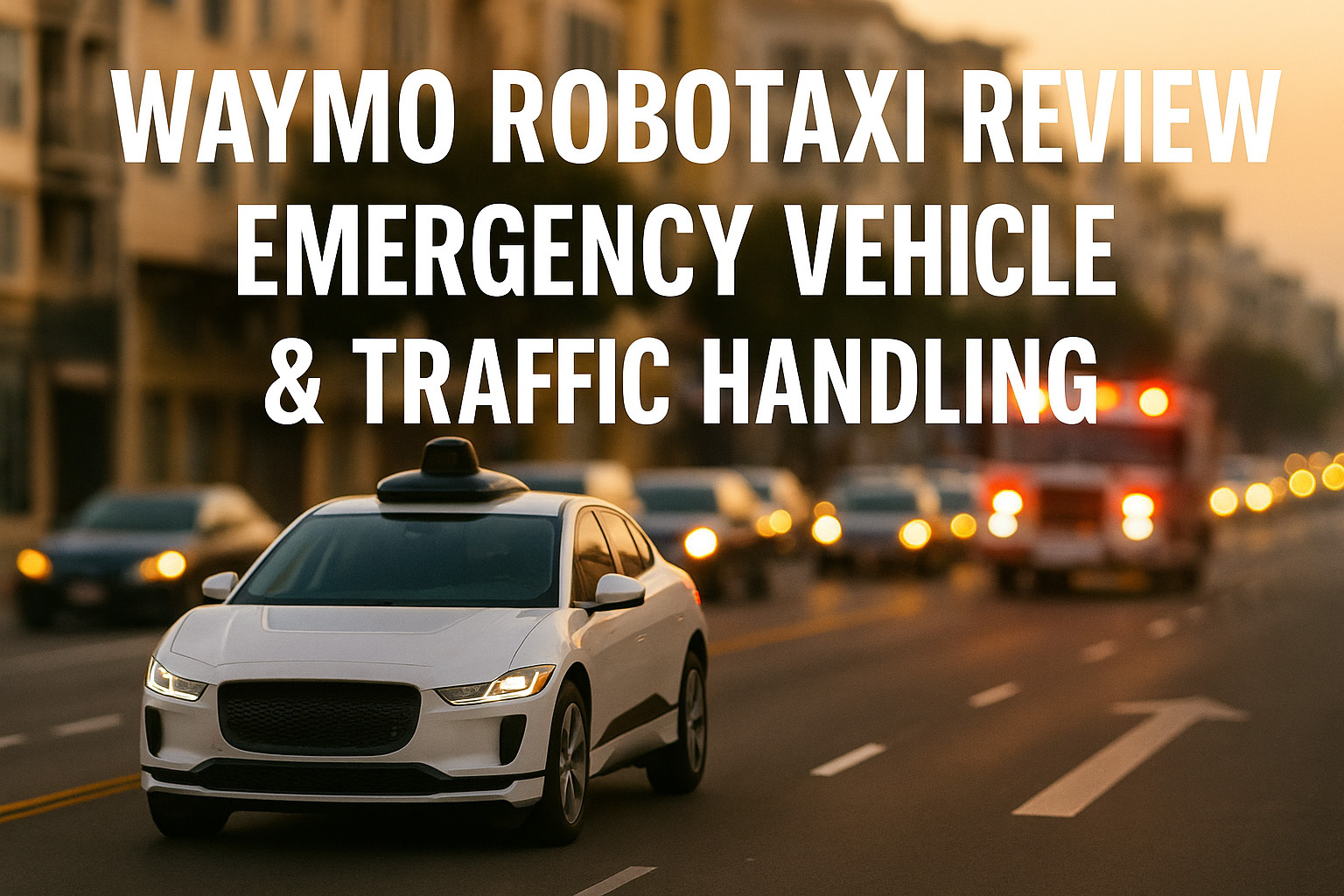
On December 20, 2025, Waymo’s robotaxis in San Francisco stalled during a widespread power outage (affecting ~130,000 PG&E customers) due to backlogs in system confirmation protocols for dark traffic signals[1][2][3]. The incident exposed gaps in AV preparedness for infrastructure failures, triggering immediate regulatory review by the CPUC and a call for a hearing by San Francisco supervisors[4][5]. Waymo responded proactively, announcing three key improvements: fleet-wide software updates providing “specific power outage context,” enhanced emergency response protocols, and expanded first responder engagement and training[1][2][3].
Market data[0] shows Alphabet (GOOG) shares closed 0.03% higher on December 22 (first trading day post-outage) and 1.46% higher on December 23, following Waymo’s response announcement. This suggests the market perceived the company’s actions as a mitigating factor for short-term negative sentiment, aligning with investor expectations for iterative safety improvements in AV technology. Media coverage[1][2][3] has been neutral-to-positive on Waymo’s transparency, while regulatory and public sentiment remains mixed due to ongoing scrutiny.
- Proactive Response Strengthens Reputational Resilience: Waymo’s immediate and specific fixes address a critical edge case (infrastructure failure) that was previously overlooked, demonstrating the company’s ability to adapt and prioritize safety—key components of maintaining public and regulatory trust for long-term AV deployment.
- Market Confidence Supports AV Investment Thesis: The positive stock movement[0] indicates investors view Alphabet’s AV investment as resilient when accompanied by transparent, actionable safety improvements. This suggests the incident is unlikely to derail the long-term thesis if fixes are validated.
- Regulatory Outcome Hinges on Fix Effectiveness: While the CPUC review[4][5] introduces uncertainty, Waymo’s response positions it to demonstrate compliance with safety standards, potentially reducing the likelihood of stricter regulatory requirements or deployment delays.
- Uncertain Regulatory Outcome: The CPUC review and San Francisco supervisors’ hearing could result in stricter operational requirements or temporary deployment restrictions for Waymo[4][5].
- Untested Fixes: The full effectiveness of Waymo’s software and protocol updates has not been validated in real-world emergency scenarios.
- Long-Term Reputational Impact: If similar incidents occur despite improvements, public and investor confidence could erode, negatively affecting the AV investment thesis.
- Competitive Safety Advantage: Successfully addressing the power outage edge case could position Waymo as a leader in AV emergency preparedness, differentiating it from competitors.
- Enhanced Regulatory Trust: Proactive improvements may accelerate regulatory approval processes by demonstrating the company’s commitment to safety and adaptability.
- Public Acceptance: Transparent communication and effective fixes could rebuild or strengthen public trust in AV technology, supporting future commercial deployment.
Waymo’s robotaxis stalled during a December 20, 2025 San Francisco power outage due to confirmation protocol gaps, leading to regulatory scrutiny. The company responded with software updates, emergency protocol enhancements, and first responder coordination improvements. Alphabet’s (GOOG) stock rose 1.46% post-announcement, reflecting market confidence in the proactive response. While regulatory review continues, the incident highlights the importance of edge-case preparedness for AVs, and Waymo’s actions demonstrate a commitment to iterative safety improvement. The long-term impact on Alphabet’s AV investment thesis and regulatory prospects will depend on the effectiveness of the fixes and the outcome of ongoing regulatory proceedings.
Insights are generated using AI models and historical data for informational purposes only. They do not constitute investment advice or recommendations. Past performance is not indicative of future results.
About us: Ginlix AI is the AI Investment Copilot powered by real data, bridging advanced AI with professional financial databases to provide verifiable, truth-based answers. Please use the chat box below to ask any financial question.