US Initial Jobless Claims Beat Forecasts; Market Reacts with Modest Christmas Eve Gains
Unlock More Features
Login to access AI-powered analysis, deep research reports and more advanced features
About us: Ginlix AI is the AI Investment Copilot powered by real data, bridging advanced AI with professional financial databases to provide verifiable, truth-based answers. Please use the chat box below to ask any financial question.
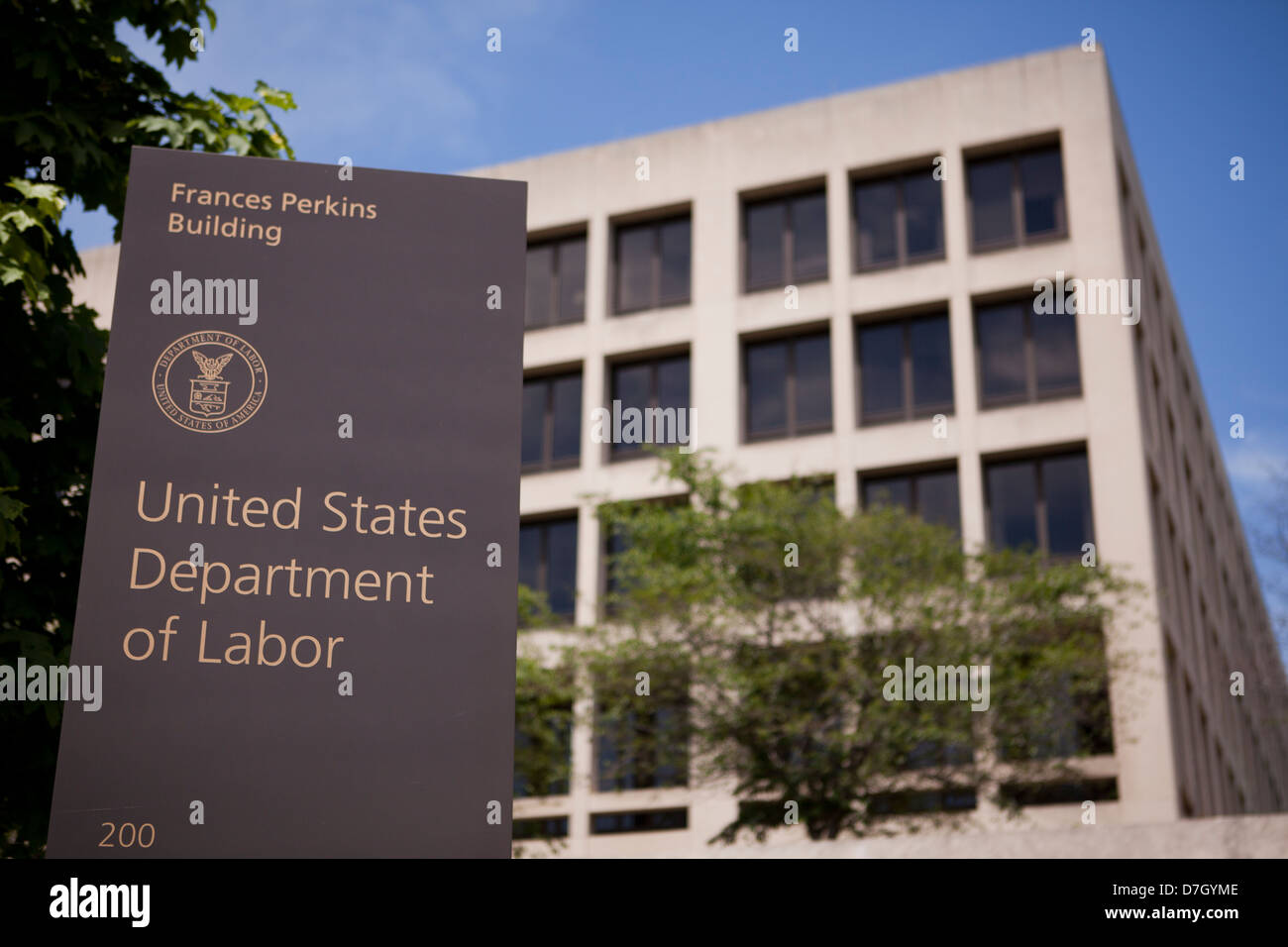
This analysis is based on the U.S. Labor Department’s jobless claims report [1][2][3] released on December 24, 2025, and subsequent market activity [0][4]. Key event details include:
- Initial jobless claimsfor the week ending December 20 fell by 10,000 to 214,000, beating the median forecast of 224,000.
- Continuing claims(for the prior week ending December 13) rose by 38,000 to 1.92 million, indicating longer unemployment durations for some individuals.
- The four-week moving average of initial claims (a less volatile metric) decreased by 750 to 216,750 [1][3].
U.S. stock indices responded with modest gains on December 24 in a shortened, low-volume Christmas Eve trading session:
- S&P 500: +0.33% (6,904.91 → 6,927.64)
- Dow Jones Industrial Average: +0.52% (48,424.71 → 48,678.77)
- NASDAQ Composite: +0.11% (23,555.95 → 23,582.00) [0]
Trading volume was significantly below average (S&P 500: 482.09 million shares vs. typical ~1.2 billion; NASDAQ: 2.07 billion shares vs. typical ~4 billion) [4], which can exaggerate market movements. The positive surprise in initial jobless claims (low layoffs) likely contributed to the gains, while rising continuing claims tempered optimism.
-
Labor Market Dichotomy: The contrast between historically low initial claims (indicative of stable layoff levels) and rising continuing claims (suggesting longer job search durations) creates uncertainty about the labor market’s true health. This dichotomy is reinforced by November 2025 data showing the unemployment rate rose to 4.6% (the highest since 2021) [3].
-
Holiday Trading Limitations: The low-volume Christmas Eve session means the market’s modest gains may not reliably reflect long-term investor sentiment. Thin trading can amplify both positive and negative moves [4].
-
Economic Slowdown Signals: The combination of rising unemployment and longer unemployment durations could indicate a broader economic slowdown, which may impact consumer spending and corporate earnings if the trend persists [3].
- Labor Market Cooling: Rising continuing claims and the November unemployment rate increase (4.6%) suggest potential labor market softening, which could weigh on future economic growth.
- Low-Volume Volatility: The Christmas Eve session’s light volume means the market reaction may be an unreliable indicator of sustained sentiment.
- Uncertain Monetary Policy Link: The report’s mixed signals could complicate Federal Reserve decision-making regarding future interest rate adjustments.
- Stable Layoff Levels: The low initial claims figure (~214,000) remains within the 200,000–250,000 range associated with a strong labor market, indicating ongoing employer confidence [1][3].
- Modest Market Stability: Despite thin trading, the indices posted gains, showing resilience in the face of mixed economic data.
On December 24, 2025, the U.S. Labor Department reported initial jobless claims fell below forecasts, while continuing claims rose. U.S. stock indices closed with modest gains in low-volume Christmas Eve trading. The data reveals a labor market with stable layoff levels but potential signs of cooling (longer unemployment durations). Decision-makers should consider the holiday trading volume context, broader labor market trends (such as November’s 4.6% unemployment rate), and the dichotomy between initial and continuing claims when interpreting the report’s implications.
天银机电(300342)强势表现原因与持续性分析
Insights are generated using AI models and historical data for informational purposes only. They do not constitute investment advice or recommendations. Past performance is not indicative of future results.
About us: Ginlix AI is the AI Investment Copilot powered by real data, bridging advanced AI with professional financial databases to provide verifiable, truth-based answers. Please use the chat box below to ask any financial question.