Historical Analysis: Stocks That Rose During the Great Recession (2007-2009)
Unlock More Features
Login to access AI-powered analysis, deep research reports and more advanced features
About us: Ginlix AI is the AI Investment Copilot powered by real data, bridging advanced AI with professional financial databases to provide verifiable, truth-based answers. Please use the chat box below to ask any financial question.
Related Stocks
This analysis is based on a Reddit discussion [0] seeking to identify stocks that performed positively during the Great Recession (December 2007 - June 2009), a period when the S&P 500 declined by approximately 38% [0]. The discussion reflects investor interest in finding recession-resistant investments for potential future economic downturns.
The Great Recession represents one of the most severe economic downturns in modern history, with the S&P 500 falling from $1,479.63 to $919.32 between December 2007 and June 2009 [0]. The index reached its lowest point at $666.79 in March 2009, representing a peak-to-trough decline of approximately 57% from its 2007 highs [6]. This devastating performance context makes the positive returns achieved by certain stocks particularly noteworthy.
-
Netflix (NFLX)-+107.42%[5]
- Benefited from the “stay-at-home” trend as consumers sought affordable entertainment
- Current market cap: $467.66B, P/E ratio: 46.14 [0]
-
Edwards Lifesciences (EW)-+89.96%[5]
- Medical device company with recession-resistant healthcare demand
-
F5 Networks (FFIV)-+89.04%[5]
- Technology infrastructure provider benefiting from digital transformation trends
-
Booking Holdings (BKNG)-+87.07%[5]
- Online travel booking that capitalized on changing travel patterns
-
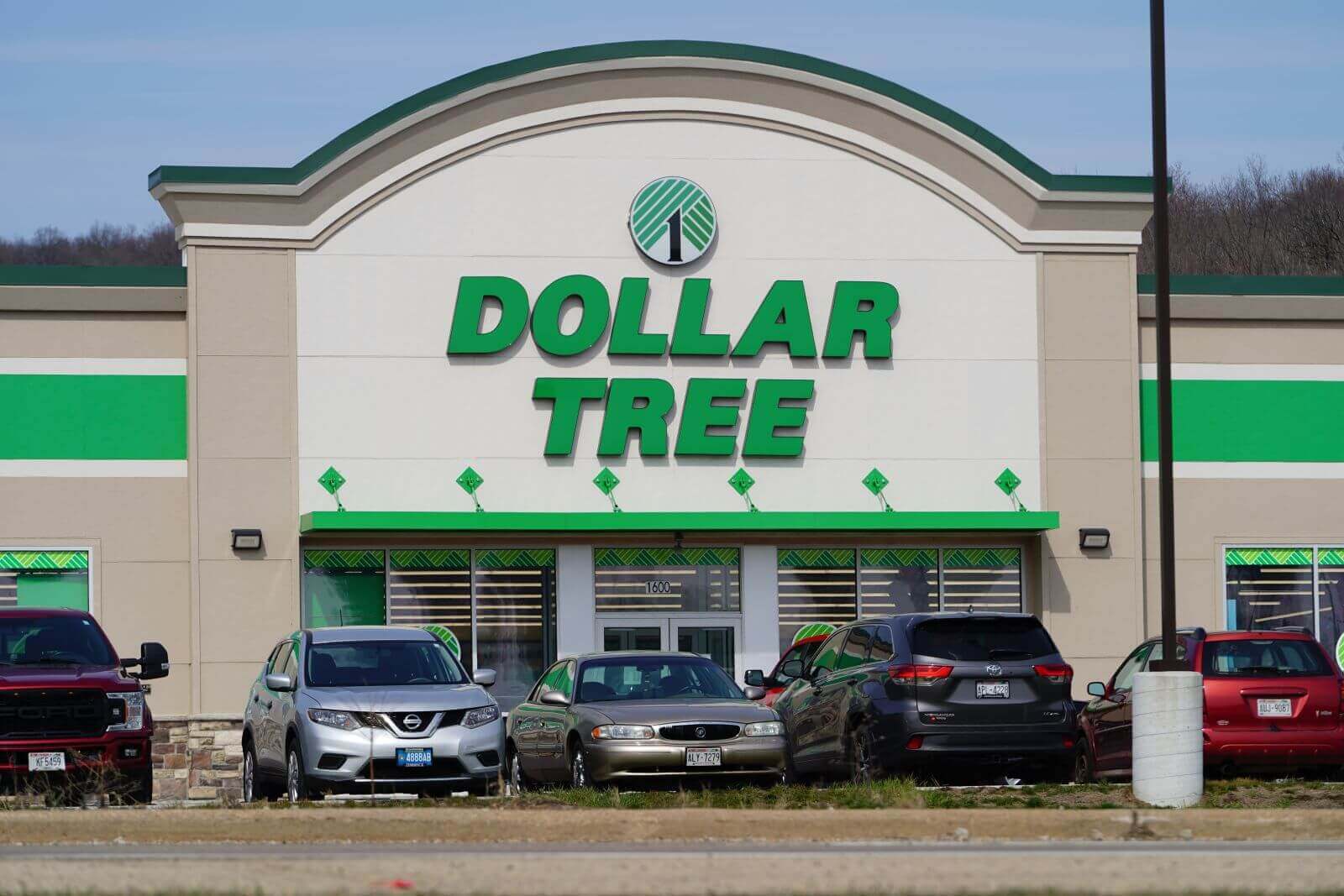
Dollar Tree (DLTR)-+86.34%[5]
- Discount retailer benefiting from consumer cost-cutting
- Current market cap: $22.49B, P/E ratio: 20.49 [0]
-
Ross Stores (ROST)-+71.59%[5]
- Discount apparel retailer with “Dress for Less” value proposition
- Current market cap: $52.42B, P/E ratio: 25.57 [0]
-
Walmart (WMT)-+20%[2]
- Low-price retailer that gained market share during economic downturn
- Current market cap: $817.93B, P/E ratio: 38.71 [0]
-
McDonald’s (MCD)-+8.5%[2]
- Fast-food chain with affordable meal options and strong dividend
- Current market cap: $214.12B, P/E ratio: 25.55 [0]
- Consumer Staples: Companies providing essential goods and services [1]
- Healthcare: Medical necessity created inelastic demand [1]
- Utilities: Essential services maintained steady demand [1]
- Discount Retailers: Benefited from consumer cost-consciousness [2]
- Financials: Epicenter of the crisis with banking failures [1]
- Real Estate: Housing market collapse devastated this sector [1]
-
Value-Oriented Consumer Plays: Discount retailers like Dollar Tree and Ross Stores gained as consumers traded down [2][5]
-
Healthcare Resilience: Medical companies like Edwards Lifesciences benefited from non-discretionary healthcare spending [5]
-
Digital Transformation: Technology companies like Netflix and F5 Networks benefited from long-term secular trends [5]
-
Low-Cost Necessities: Companies providing affordable essential goods and services outperformed [2]
- The 2008 recession was primarily a financial crisis stemming from housing and banking sector failures [1]
- Future recessions may have different causes (inflation, geopolitical events, etc.)
- The “work-from-home” and digital economy trends that benefited some 2008 winners are now mainstream
- Many of the 2008 winners now trade at premium valuations (e.g., Netflix P/E: 46.14, Walmart P/E: 38.71) [0]
- High valuations may limit upside during future downturns
- The retail landscape has changed dramatically with e-commerce dominance
- Consumer behavior patterns have evolved post-pandemic
- Regulatory and competitive environments differ significantly
- The analysis reveals that many of the stocks that performed well during 2008 now trade at historically high valuations [0]
- Premium valuations may limit protection during future market downturns
- Over-reliance on defensive sectors could lead to missed opportunities during recoveries
- Defensive sectors typically underperform during bull markets
- Past performance during one specific crisis may not predict future results
- The unique nature of the 2008 financial crisis makes direct comparisons challenging
- Consumer Spending Patterns: Watch for shifts in discretionary vs. essential spending
- Interest Rate Environment: Higher rates may affect different sectors than in 2008
- Inflation Impact: Current inflationary pressures may create different winners and losers
- Technological Disruption: Digital transformation may change which business models are recession-resistant
- Regulatory Changes: New regulations could impact previously successful strategies
The historical analysis shows that during the Great Recession, very few stocks rose while the broader market collapsed. The winners were primarily concentrated in defensive sectors, discount retail, healthcare, and technology companies benefiting from secular trends. However, investors should be aware that:
- Unique Crisis Characteristics: The 2008 recession was a financial crisis with specific drivers that may not repeat
- Current Valuations: Many historical winners now trade at premium multiples that could limit future protection
- Market Evolution: Changes in consumer behavior, technology adoption, and competitive landscapes may alter which strategies work in future downturns
- Sector Dynamics: Defensive sectors typically underperform during bull markets, creating opportunity costs
- Risk Management: Historical performance should be considered alongside current fundamentals and risk factors
The Reddit discussion correctly notes that cash, short positions, and ultra-defensive staples were the primary ways to avoid losses during this period, highlighting the extreme difficulty of finding positive returns during severe market downturns.
Insights are generated using AI models and historical data for informational purposes only. They do not constitute investment advice or recommendations. Past performance is not indicative of future results.
About us: Ginlix AI is the AI Investment Copilot powered by real data, bridging advanced AI with professional financial databases to provide verifiable, truth-based answers. Please use the chat box below to ask any financial question.