Nasdaq Intraday Decline and Tech Stock Volatility: Sentiment Shifts Analyzed
Unlock More Features
Login to access AI-powered analysis, deep research reports and more advanced features
About us: Ginlix AI is the AI Investment Copilot powered by real data, bridging advanced AI with professional financial databases to provide verifiable, truth-based answers. Please use the chat box below to ask any financial question.
Related Stocks
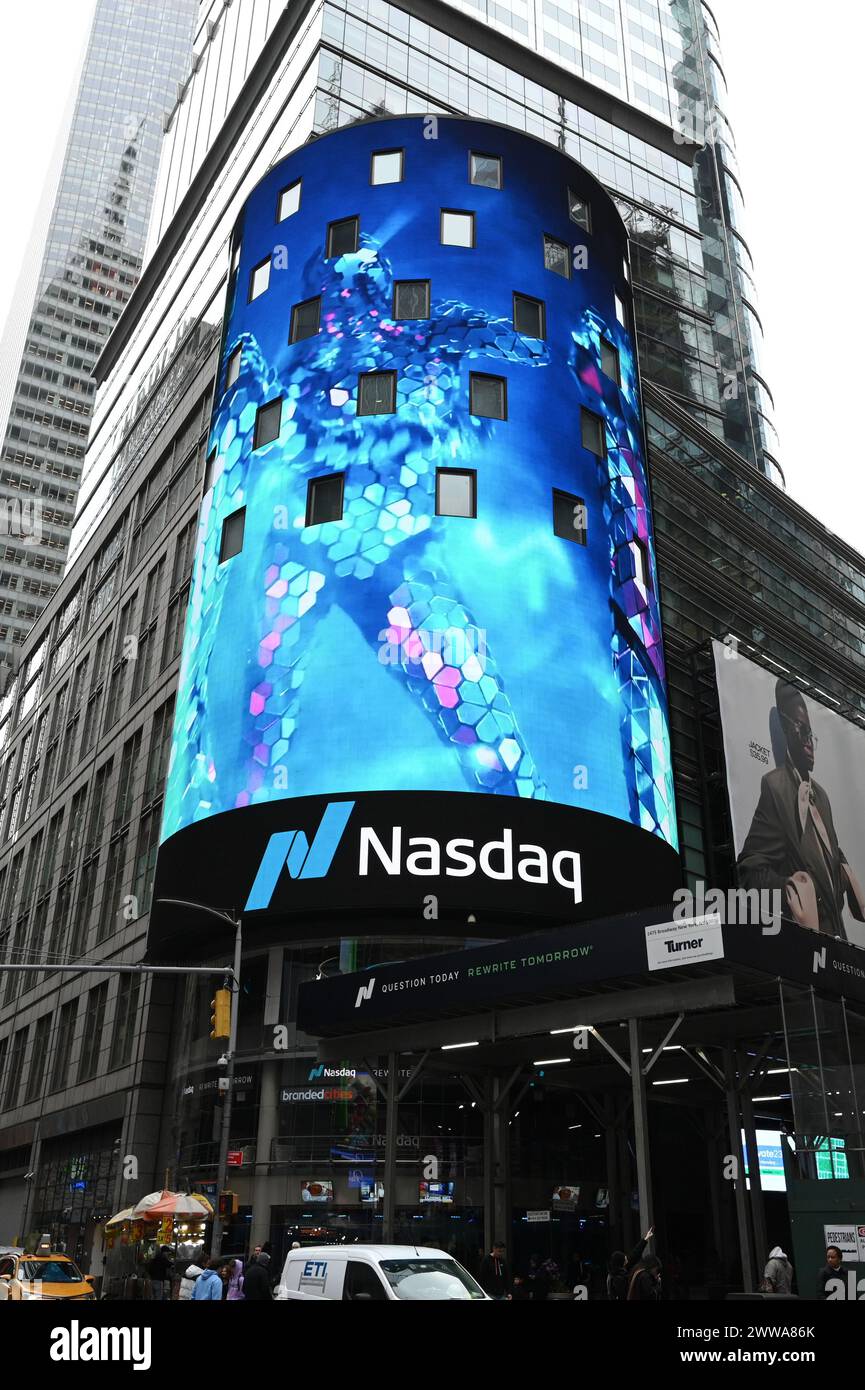
This analysis is based on the Benzinga report dated December 30, 2025 [2], which documented the Nasdaq’s intraday decline. On December 29, 2025, the Nasdaq Composite fell over 100 points intraday (from a high of 23,531.02 to low of 23,397.52) amid tech stock declines [0]. However, the index recovered by the close, posting a 0.25% gain [0]. The broader technology sector also closed 0.31% higher, fueled by gains in large-cap tech stocks: AAPL (+0.39%), MSFT (+0.46%), and GOOGL (+0.70%) [0].
In contrast, small-cap tech stocks experienced more pronounced volatility. CHOW (ChowChow Cloud International Holdings) closed down 12.25% after an intraday decline of 15.34% [0], while FCUV (Focus Universal) dropped 17% intraday before recovering to close down 1.03% [1][0]. Investor sentiment metrics provided conflicting signals: Benzinga reported the CNN Money Fear & Greed Index was in the Neutral zone (47-54 range) intraday, indicating weakened sentiment from the Greed zone (56-74) observed on December 26 [3][2]. However, the MacroMicro MM Fear & Greed Index closed at 60.89 (Greed zone) on the same day, highlighting potential differences between intraday and end-of-day sentiment readings [4].
- Intraday Volatility vs. End-of-Day Resilience: The Nasdaq’s 100+ point intraday decline was reversed by close, reflecting resilience in the broader market, likely due to the large weighting of stable large-cap tech stocks in the index [0].
- Large-Cap vs. Small-Cap Tech Divergence: The performance gap between large-cap (resilient) and small-cap (volatile) tech stocks may be attributed to differences in liquidity, market capitalization, and investor risk appetite [0][1].
- Sentiment Metric Nuances: Conflicting readings from the CNN (Neutral intraday) and MM (Greed close) Fear & Greed indices emphasize the importance of distinguishing between intraday and end-of-day sentiment, as well as using multiple metrics to assess market mood [2][4].
- Risks: Small-cap tech stocks (CHOW, FCUV) exhibited heightened volatility, which may signal increased risk due to lower liquidity and market caps [0][1]. The intraday shift in the CNN Fear & Greed Index suggests potential investor uncertainty, which could lead to near-term market volatility [2]. The divergence between large-cap and small-cap tech performance warrants monitoring to determine if it becomes a sustained trend.
- Opportunities: The resilience of large-cap tech stocks (AAPL, MSFT, GOOGL) and the end-of-day recovery of the Nasdaq and tech sector may indicate underlying support for the tech industry [0]. The MM Fear & Greed Index’s Greed rating at close suggests some investor confidence remains [4].
- Market Performance Metrics: Nasdaq Composite intraday high 23,531.02, low 23,397.52, close +0.25% [0]; tech sector close +0.31% [0]; large-cap tech gains: AAPL (+0.39%), MSFT (+0.46%), GOOGL (+0.70%) [0]; small-cap tech declines: CHOW (-12.25%), FCUV (-1.03% after 17% intraday drop) [0][1].
- Sentiment Indices: CNN Fear & Greed Index intraday Neutral [2]; MM Fear & Greed Index close 60.89 (Greed) [4].
- Information Gaps: Exact December 29 CNN Fear & Greed Index value, specific catalysts for intraday declines, and whether the volatility signals a short-term blip or broader trend.
- Considerations: Decision-makers should monitor small-cap tech volatility, sentiment shifts, and large-cap/small-cap divergence for potential market dynamics.
Insights are generated using AI models and historical data for informational purposes only. They do not constitute investment advice or recommendations. Past performance is not indicative of future results.
About us: Ginlix AI is the AI Investment Copilot powered by real data, bridging advanced AI with professional financial databases to provide verifiable, truth-based answers. Please use the chat box below to ask any financial question.