Strategic Impact Analysis of Princes Group's Acquisition of Plasmon's Baby Food Business
Unlock More Features
Login to access AI-powered analysis, deep research reports and more advanced features
About us: Ginlix AI is the AI Investment Copilot powered by real data, bridging advanced AI with professional financial databases to provide verifiable, truth-based answers. Please use the chat box below to ask any financial question.
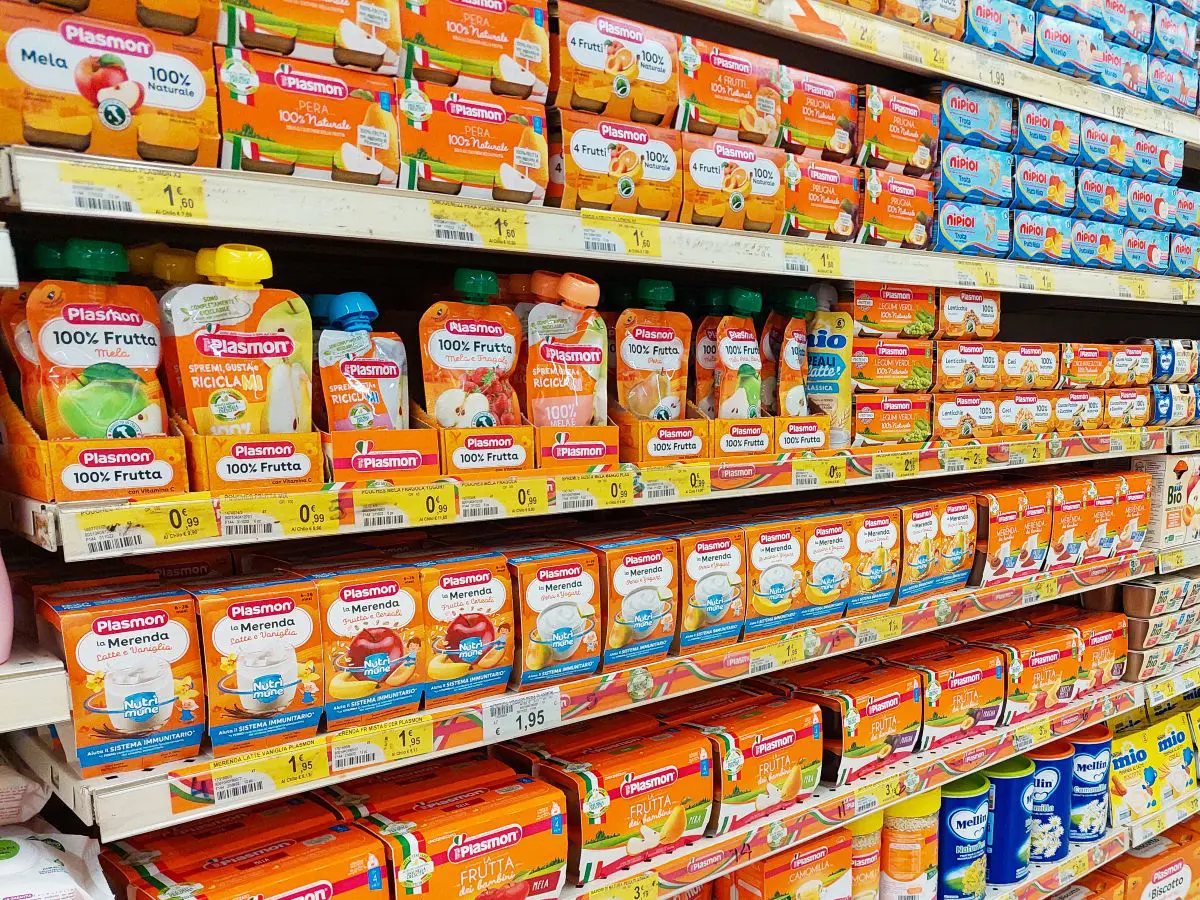
According to public information, Princes Group is a leading UK food and beverage group with pro forma revenue exceeding £2.1 billion in 2024 (per announcement terms), owning 23 manufacturing bases across 6 countries, and operating over 20 brands including Napolina, Princes, and Branston beans, covering segments such as food, fish, Italian food, edible oil, and beverages [1,2]. Plasmon is a well-known Italian baby food brand [3].
The European baby food market shows steady growth: multiple institutions report a CAGR range of approximately 5.2%–5.7% for the European market, which is expected to maintain a mid-to-high single-digit growth rate overall from 2025 to 2035, with faster growth in formula milk, dry complementary food, and organic/health segments [4,5]. The competitive landscape is highly concentrated, with key players including Nestlé, Danone, and HiPP; distribution is dominated by supermarkets/hypermarkets, and online channel penetration continues to rise [4,5].
- Category extension and consumption scenario expansion: Entering the baby food segment will extend its presence from the “family and daily diet” scenario (dominated by canned goods, sauces, aquatic products, and edible oil) to the “baby feeding” niche, which features high repurchase rates and strong brand loyalty, enhancing household penetration and category synergy potential (e.g., forming complementary “baby complementary food solutions” with pasta/sauces and edible oil).
- Deepening in the European market: Leveraging Plasmon’s local reputation in Italy, Princes can establish a stronger brand anchor in Southern Europe and conduct cross-category expansion using its existing supply chain and distribution system. If combined with channel synergy with Carrefour Italia and others (related transaction reports in public news for 2025) [1], it can form a “brand + channel” dual-drive expansion.
- Brand and niche positioning: Plasmon has high brand awareness in Italy and advantages in “localized formulas, flavors, and nutritional trust”. Princes can use this brand to enter the organic/formula niche and strengthen its “natural and quality” positioning to align with European consumers’ demand trends for organic and health upgrades [5].
- Channel and retail synergy: Relying on Princes’ existing European supermarket and hypermarket channels, Plasmon can quickly gain shelf space and exposure; conversely, Plasmon’s pharmacy and organic channels can also feed back to other high-end/health products of the group.
- Cost and supply chain integration: Baby food has extremely high requirements for quality, compliance, and supply chain stability. Princes’ experience in food manufacturing, quality control, and sustainable procurement (e.g., raw material management and certification systems for fish and oil categories) [2] will help form synergies in raw material control, production scheduling, and cost management.
- Revenue structure optimization: Baby food features high repurchase rates and rigid demand, which is expected to improve the stability and cash flow attributes of the product portfolio.
- Growth rate and premium: If operated properly, this segment’s growth rate can outperform the group’s traditional categories, helping to enhance valuation and earnings quality; however, attention should be paid to upfront investments (marketing, compliance, and channel costs) brought by brand reshaping and channel negotiations.
- Regulatory and compliance risks: Baby formula and complementary food regulations are strict, requiring continuous investment in formula changes, additive use, and label compliance.
- Integration and brand management: Maintaining Plasmon’s original brand trust and localized marketing under the lease/operation right model is key; excessive “brand generalization” may weaken its premium.
- Competitive pressure and pricing power: Facing leading brands like Nestlé, Danone, and HiPP, relying solely on price wars may erode profits; instead, focus on formula innovation, organic and functional niches, and differentiated channel strategies.
Within the scope of verifiable information, Plasmon is a mature baby food brand in Europe (especially Italy) [3]; while Princes Group has a diversified manufacturing base and an extensive European distribution network [1,2]. If Princes can effectively leverage its resources in manufacturing, quality control, and channels, and strengthen Plasmon’s investment in organic/health and formula innovation, this initiative is expected to have a significant positive impact on business scenarios, category complementarity, and market penetration. However, due to the lack of authoritative news or official disclosure on “acquiring Plasmon’s operation rights via a lease agreement”, quantitative judgments on specific terms, costs, and timelines cannot be made; it is recommended to refer to the company’s official announcements or regulatory documents, and pay attention to brand performance and synergy verification in subsequent performance disclosures.
[1] Princes Group investor relations and company information, including business segments, revenue scale (pro forma >£2.1bn), and operating network [2]
[2] Princes Group official website and ESG/procurement disclosures, covering category portfolio, sustainable procurement, and manufacturing capabilities [1]
[3] Plasmon brand and product-related public materials and industry articles, showing it as a well-known Italian baby food brand [3]
[4] European baby food market research reports (Mordor Intelligence, etc.): CAGR of approximately 5.2%, key players, and channel structure [4]
[5] Global and regional maternal and baby/baby food market analysis: faster growth in organic and health segments, channel and consumption upgrade trends [5]
油价与能源板块投资分析:供应过剩情景与DCF估值校准
Insights are generated using AI models and historical data for informational purposes only. They do not constitute investment advice or recommendations. Past performance is not indicative of future results.
About us: Ginlix AI is the AI Investment Copilot powered by real data, bridging advanced AI with professional financial databases to provide verifiable, truth-based answers. Please use the chat box below to ask any financial question.