Analysis of the Impact of Meituan's Cancellation of Rider Overdue Deductions on Its Profit Model
Unlock More Features
Login to access AI-powered analysis, deep research reports and more advanced features
About us: Ginlix AI is the AI Investment Copilot powered by real data, bridging advanced AI with professional financial databases to provide verifiable, truth-based answers. Please use the chat box below to ask any financial question.
Related Stocks
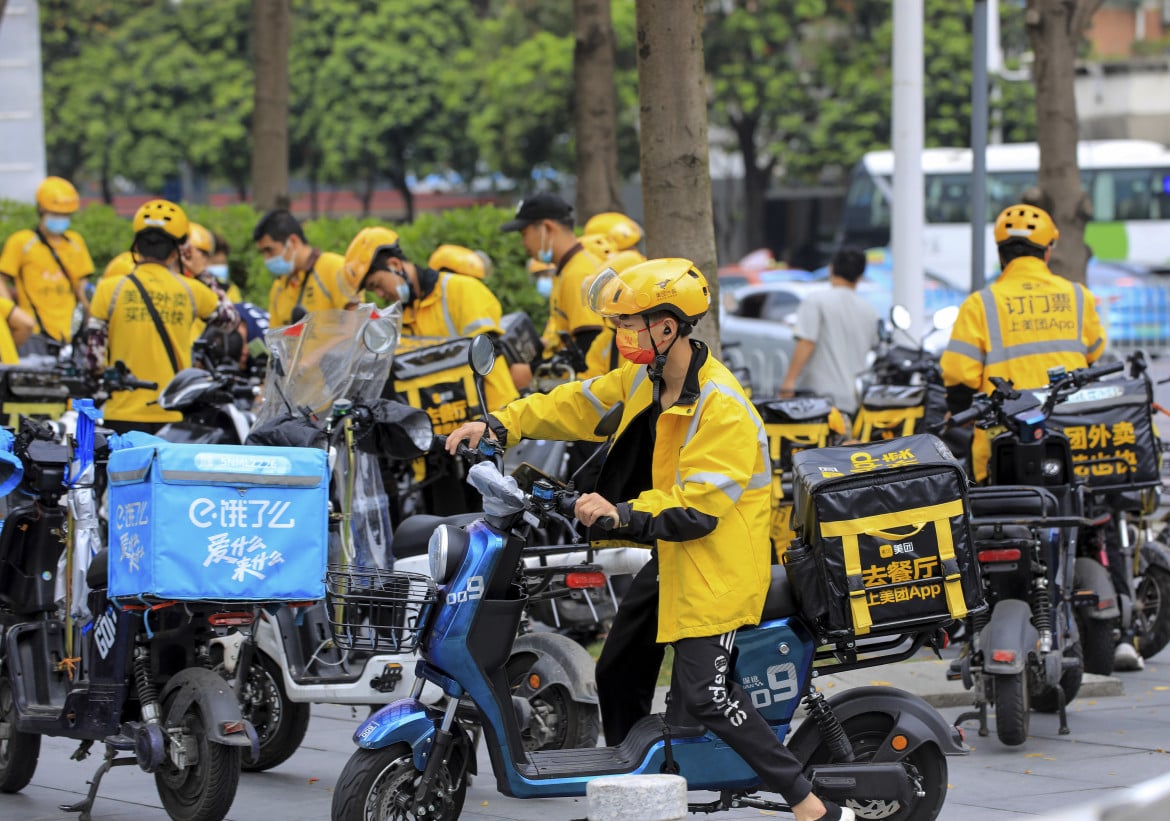
According to the latest information, Meituan officially announced on August 27, 2025 that it will fully cancel the “overdue fine” rule by the end of 2025 [1]. The core content of this initiative includes:
- Cancel Negative Deduction Mechanism: Replace the original overdue deduction system with a “scoring system”, and riders will be exempt from liability for overdue situations [1]
- Pilot Promotion Path: Experimental observations were carried out in some cities in East China starting from December 2024, and national pilot promotion will begin in October 2025 [1]
- Supporting Rights and Interests Protection: Simultaneously launch measures such as a rider anti-fatigue mechanism (mandatory offline after 12 hours of order running) and a grievance care plan (up to 50,000 yuan in comfort money) [1]
- Direct Revenue Reduction: Overdue deductions were once one of Meituan’s important revenue sources; after cancellation, it directly affects the gross profit margin of the takeaway delivery segment
- 叠加 Social Security Costs: According to Guohai Securities’ calculation, Meituan will add about 2 billion yuan in social security costs for riders in 2025 [1]
- Expanded Subsidy Expenditure: Meituan also invested 1 billion yuan in support funds to subsidize catering merchants, further compressing profit margins [2]
The model change from “punishment-driven” to “incentive-driven” requires Meituan to rebuild rider management and incentive mechanisms:
- Points System Alternative: The new scoring system requires more refined algorithm design and incentive mechanism design
- Service Quality Management: How to maintain delivery service quality and service timeliness standards after canceling deductions
- Rider Liquidity Management: Need to pay attention to the impact of changes in riders’ income on delivery efficiency and stability
According to the latest financial report data, Meituan’s adjusted net loss in the third quarter of 2025 reached 16.009 billion yuan, turning from profit to loss year-on-year (profit of 12.829 billion yuan in the same period last year) [3]. Under the current takeaway “three-way battle” competitive landscape, the cumulative loss of the three major platforms has exceeded 50 billion yuan [3].
The share price of Meituan Hong Kong Stock (3690.HK) has fallen by about 31.95% since the beginning of the year, but its performance was relatively stable in December, rising by 3.2% that month, with volatility at a low level of 1.44% [4]. The current price-earnings ratio is -154.52 times, indicating that the market has differences on the company’s profit prospects.
Meituan’s move is a systematic measure to respond to the national “anti-involution” policy orientation. Since 2025, relevant national departments have interviewed takeaway platforms many times, requiring them to standardize platform behavior and protect riders’ rights and interests [3]. Meituan’s transformation reflects:
- Regulatory Compliance Requirements: Comply with the policy trend of protecting the rights and interests of workers in new employment forms
- Industry Standardization Development: Promote the transformation of the takeaway industry from vicious competition to high-quality development
- Corporate Social Responsibility: Enhance the platform’s social image and sustainable development capabilities
Against the background that JD took the lead in paying five social insurance and housing fund for full-time riders, and Ele.me simultaneously promoted the pilot of occupational injury protection [3], Meituan’s policy adjustment has competitive defensive significance:
- Increased Rider Attraction: Improve riders’ working environment and income security, which helps stabilize delivery capacity
- Brand Image Optimization: The positive incentive model is conducive to improving public favorability
- Industry Barrier Construction: Form a differentiated competitive advantage through the upgrade of rider benefits
- Transition from Deduction Revenue to Service Value-Added: Increase the proportion of diversified revenues such as delivery fees, membership services, and advertising revenues
- Extension to Instant Retail: Use the advantage of the rider network to expand high-frequency consumer categories such as fresh food, medicine, and daily necessities
- Deepen B-end Services: Increase data services and operational support for catering merchants
- Improve Technical Efficiency: Optimize delivery routes through intelligent dispatching systems to reduce average order costs
- Elastic Capacity Management: Use the crowdsourcing model to flexibly adjust capacity supply and avoid excessive fixed costs
- Release Scale Effect: As order volume grows, fixed costs are amortized, and marginal costs decrease
- Short-term cost pressure continues, and the time for profit recovery is uncertain
- Increased industry competition may lead to sustained profit margin pressure
- Policy changes and regulatory requirements may bring additional compliance costs
Meituan’s cancellation of rider overdue deductions is a strategic move to respond to regulatory trends and industry competition. Although it will have an impact on the profit model in the short term, it will help build a more sustainable business model and stronger competitive barriers in the long run. Investors need to pay attention to the progress of policy implementation, the effect of cost control, and the impact of changes in the competitive landscape on the company’s fundamentals.
[1] Meituan Baidu Encyclopedia - Meituan’s Progress in Canceling Rider Overdue Deductions (https://baike.baidu.com/item/美团/5443665)
[2] Meituan Official News - Meituan’s Anti-Involution Measures (https://www.meituan.com/news/NN250117063011662)
[3] Sina Finance - 2025 Year-End Inventory and Outlook for the Consumer Sector (https://finance.sina.com.cn/jjxw/2025-12-31/doc-inheshqn6676670.shtml)
[4] Jinling API Data - Meituan Hong Kong Stock Market Data [0]
国晟科技异质结光伏电池技术壁垒分析
Insights are generated using AI models and historical data for informational purposes only. They do not constitute investment advice or recommendations. Past performance is not indicative of future results.
About us: Ginlix AI is the AI Investment Copilot powered by real data, bridging advanced AI with professional financial databases to provide verifiable, truth-based answers. Please use the chat box below to ask any financial question.