
Rise of Discount Retailers' Private Label Beauty Brands: A Systematic Analysis of Challenges to Traditional Beauty Brands
Unlock More Features
Login to access AI-powered analysis, deep research reports and more advanced features
About us: Ginlix AI is the AI Investment Copilot powered by real data, bridging advanced AI with professional financial databases to provide verifiable, truth-based answers. Please use the chat box below to ask any financial question.
Now, based on collected data and industry information, I will prepare a comprehensive, systematic analysis report for you.
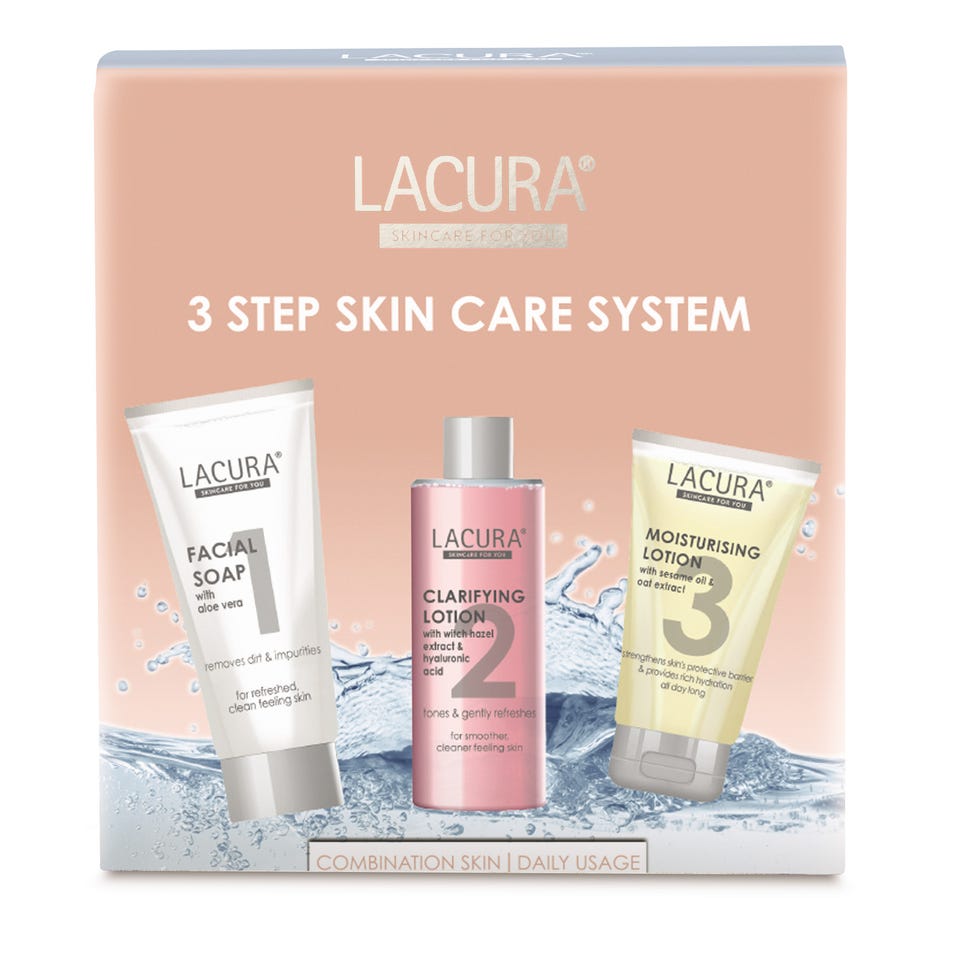
In early October 2025, the caviar essence series launched by Lacura, the private label beauty brand of German discount supermarket ALDI, attracted widespread attention on social platforms, with the reading volume of related topics exceeding 10 million in a short time, and some designated stores even sold out [1]. The pricing of this series is highly impactful: the essence tonic and facial cleanser are priced at 19.9 yuan, the essence serum and face cream at 49.9 yuan, and a 5-piece set of no-rinse masks only 14.9 yuan; the total cost for 7 core items is just over 200 yuan. For comparison, a certain luxury brand’s face cream frequently mentioned alongside it costs thousands of yuan [1].
This phenomenon is not accidental. As ALDI’s private label beauty brand, Lacura has a development history of over 30 years. Starting with a single moisturizing cream in 1993, it has now grown into a complete portfolio covering skincare, color cosmetics, hair & body care, and oral care [1]. In the Chinese market, ALDI’s private label products account for as high as 85%-90% of its offerings. Although Lacura was not developed specifically for the Chinese market, its contract manufacturers include local producers like Guangzhou Shifei, while in overseas markets, it adopts local production to control costs [1].
Besides ALDI, other retail giants are also accelerating their layout of private label beauty brands:
| Retailer | Private Label Beauty Brand | Positioning Strategy |
|---|---|---|
| ALDI | Lacura | Affordable alternative with high-end ingredients, emphasizing alignment with first-tier beauty brands |
| Freshippo | Private Label Beauty Line | Viral, topic-driven products leveraging meme culture and contrast |
| 7Fresh | Private Label Personal Care | Youth-oriented communication integrated with regional dialects |
| Sam’s Club | Member’s Mark | High-quality endorsement, exclusive for members |
| Walmart | Great Value | Direct communication with the positioning of “Simple & Fresh” |
The core logic of hard discount retailers is to ensure low prices by optimizing the supply chain, and private label products are a key pillar of this strategy [2]. Data released by offline supermarkets such as Freshippo “Super Value NB”, 7Fresh, and Wumart shows that private label products generally account for around 60% of their offerings. Developing private labels has become a core strategy to break homogenization and build competitive moats [2].
Consumer acceptance of budget beauty is undergoing a structural shift. According to KPMG’s 2025 China Beauty Market Industry Report, in 2024, products priced below 300 yuan dominated China’s online skincare market, with the 100-300 yuan segment accounting for nearly 30% of the market share, while high-end skincare products priced above 1,000 yuan held a market share of over 16% [3]. Notably, consumer preferences have changed: instead of blindly pursuing low prices, they now focus more on product practicality and value for money, with the market share of the 300-500 yuan segment growing by 1.8% [3].
In the color cosmetics market, products priced below 100 yuan account for nearly 48% of the market share, making them the dominant force; the 100-300 yuan segment also holds over 27% of the market share [3]. The continuous growth of the low-price segment further confirms the trend that cost-effective products are gradually becoming mainstream.
According to Kantar-Ocean Engine Quantitative Research on Daily Chemical Consumers, consumer decision-making for daily chemical products features “Five-Dimensional Factors” [4]:
| Decision-Making Factor | Consumer Attention | Core Demand |
|---|---|---|
| Ingredient Characteristics | 76% | Natural organic ingredients (40%), technologically researched ingredients (36%) |
| Efficacy Scenarios | 83% | Multi-scenario efficacy vs single professional efficacy |
| Usage Experience | 74% | Ease of use, innovative product combinations |
| Brand Origin | 80% | History, cultural background, trust in place of origin |
| Product Style | 25% | Appearance aesthetics, fragrance, expression of lifestyle |
When purchasing cosmetics, consumers prioritize product ingredients (58.8%), followed by product efficacy (41.4%); brand (37.0%), price (35.4%), and specification (34.2%) are also important considerations [3]. This indicates that while pursuing quality, consumers also value cost-effectiveness and practicality.
“Insiderism” is becoming a new consumption trend. Consumers no longer blindly trust brand promotions, but instead compare product reputations through multi-dimensional grass-roots marketing platforms, and use red/black lists as important reference bases [3]. Faced with the rapid rise of domestic beauty brands, consumers have significant trust barriers toward emerging brands; KOL real reviews, effective ingredient concentrations, and professional institution certifications have become key decision-making factors [3].
This trend poses dual challenges to traditional beauty brands: on one hand, consumers’ “superstition” toward high-end brands is crumbling; on the other hand, the logic of “affordable alternatives” has shifted from being brand-led to retailer-led. As long as products are placed on shelves at a “reasonable price that requires no second thought”, consumers’ previous purchasing logic is completely changed [1].
There are fundamental differences in cost structure between supermarket private label beauty brands and traditional beauty brands:
| Cost Item | Traditional Beauty Brands | Supermarket Private Label Brands |
|---|---|---|
| Marketing & Promotion | High (celebrity endorsements, advertising placements, KOL collaborations) | Zero or extremely low |
| Channel Fees | High (department store counters, e-commerce platform commissions) | Low (own channels) |
| Brand Building | High (brand storytelling, image building) | Leverages retailer brand reputation |
| R&D Investment | High (patented ingredients, clinical verification) | Medium (aligns with mature formulas) |
| Channel Profits | Multi-layer distribution markup | Channel integration, direct-to-consumer |
ALDI is positioned as a community fresh food supermarket, with personal care products accounting for less than 10% of its total SKUs. For ALDI, beauty products act more as a strategic tool to increase customer unit price, extend dwell time, and strengthen the “high cost-effectiveness” perception— as long as they do not incur losses and can drive repeat purchases, the mission is accomplished [1]. This gives supermarkets a pricing flexibility that traditional brands can hardly match: it does not need to rely on a single face cream to bear the cost pressure of the entire brand.
Traditional beauty brands rely on multi-layer channels such as department store counters, duty-free shops, and e-commerce flagship stores, while supermarket private label brands are directly embedded in consumers’ daily life scenarios. This channel advantage is reflected in:
- Instant Accessibility: Consumers can purchase beauty products while buying fresh food and daily necessities, without needing to visit a counter specially or wait for e-commerce delivery
- Trust Transfer: Consumers’ trust in retailers can “spill over” to their private label brands, lowering the threshold for purchase decisions
- Low Trial Cost: The supermarket environment allows consumers to test products on-site, reducing the cost of trial and error
Perhaps the most critical point is: supermarkets do not need to make money from beauty products. ALDI UK publicly stated that the Lacura series is “attracting new consumer groups”, and during development, it “aligns with first-tier beauty brands to ensure quality meets standards, even surpassing them in some aspects” [1]. This strategic stance of “not needing to profit” allows supermarket private label brands to launch attacks with pricing close to cost, while traditional brands must maintain sufficient gross margins to support their brand operation systems.
Despite the aggressive rise of budget beauty products, traditional beauty brands still hold significant advantages in R&D and innovation:
| Brand/Group | Core Technology | R&D Barrier |
|---|---|---|
| SK-II | PITERA™ | Over 40 years of dedicated research, 580+ beauty awards |
| SkinCeuticals | CE Complex Formula | Supported by dermatological literature, gold standard |
| La Mer | Miracle Broth™ | Bio-fermentation technology, authority in skin repair |
| Helena Rubinstein | Marine Viola Stem Cells | Backed by L’Oréal Group’s scientific research |
The core ingredients and formulas of these brands often undergo decades of research and verification, with extensive clinical data and patent protection. Although supermarket beauty products can align with similar ingredients, specific concentration levels cannot be inferred from external labels, and differences still exist such as “more complex formulas with additional barrier lipids or marine extracts, or better texture and mildness” [1].
Traditional beauty brands have accumulated profound brand equity through decades or even centuries of brand building:
- Historical Heritage: Brand stories, cultural connotations, and craftsmanship
- Emotional Identification: Emotional bonds between consumers and brands
- Social Attributes: Symbolic value of high-end brands
- Community Identification: Identity markers for specific consumer groups
The case of Laopu Gold is illustrative: five years ago, it had few loyal fans, but now it has successfully entered the camp of companies with a market value of hundreds of billions of yuan. What consumers are paying for with real money is not just the product, but also its inimitable craftsmanship features and brand tone.
Traditional beauty brands still have advantages in channel depth and service experience:
- Professional BA Services: Counter beauty consultants provide personalized consultations and trial experiences
- Member Systems: Points, exclusive events, and customized services enhance customer loyalty
- After-Sales Guarantees: Return and exchange policies, allergy-free guarantees, etc., reduce purchase concerns
- Scenario Experiences: Counter experience spaces, VIP rooms, etc., create immersive shopping experiences
Brands that offer “product samples + allergy-free return services” perform particularly well in first-time purchase conversion rates [3].
Discount retailers’ private label beauty brands do pose substantive challenges to traditional brands in the following areas:
However, it is difficult for supermarket beauty brands to pose systematic challenges in the following areas:
Supermarket private label beauty brands face the following structural constraints:
| Constraint | Specific Performance |
|---|---|
| Category Ceiling | The positioning of supermarkets determines that beauty products can only be supplementary categories, making it difficult to invest a lot of resources for in-depth development |
| Brand Upper Limit | Consumers’ perception of their “affordable alternative” positioning limits the brand’s upward development space |
| Supply Chain Limitations | While they can control costs, there are technical bottlenecks in active ingredient addition and product stability |
| Trust Barriers | It takes time for consumers to change their perception of “supermarkets selling high-end skincare products” |
In the face of competition from affordable alternatives, traditional brands should continue to increase R&D investment and maintain leadership in core ingredients and formulas:
- Deepen Basic Research: Such as SK-II’s over 40 years of dedicated research on PITERA™
- Clinical Verification: Strengthen efficacy persuasion through human body tests, authoritative certifications, etc.
- Patent Layout: Build intellectual property moats
The transformation of Pechoin provides a useful reference: shifting from a nostalgic “traditional domestic brand” to a quality-oriented “tech-herbal brand”, launching the Lingyu Series limited gift box that deeply integrates Eastern aesthetics with cutting-edge skincare technology [6].
Industry experts point out that the current beauty industry is trapped in a vicious cycle: everyone is talking about the protein content of “protein powder”, but few mention the sensory enjoyment of “steak” [7]. The “Sensory Era” initiative calls on practitioners to pay attention to the incremental value brought by emotional experiences and values—the essence of beauty is never a “scientific laboratory”, but “feeling” and “beauty”.
Therefore, brands should:
- Tell Compelling Brand Stories: Go beyond ingredient narratives to build emotional connections
- Create Ritualistic Experiences: Skincare is not just about efficacy, but also an expression of lifestyle
- Strengthen Value Identification: Issues such as sustainable development and Eastern aesthetics
In the face of consumption differentiation trends, brands should build a more flexible product matrix:
| Price Range | Strategic Positioning |
|---|---|
| Entry-Level | Attract new customers, cultivate usage habits |
| Mid-Range | Main profit source, strengthen value-for-money perception |
| High-End | Brand image anchor, carrier of technological innovation |
| Luxury | Ultimate experience, exclusive for VIP customers |
Za’s Four-Color Primer has undergone 6 iterations and upgrades, achieving multi-effect innovation of “one product replacing multiple products”, integrating six functions including primer, sun protection, tinted moisturizer, makeup base, whitening, and moisturizing, interpreting “value for money” with low price and high configuration [6].
The rise of discount retailers’ private label beauty brands does pose a
It is expected that the beauty market will present the following evolution trends:
-
Intensified Market Stratification: The high-end market will continue to maintain professional and differentiated positioning; the mass market will face more intense price competition; the mid-range market will become a strategic battleground.
-
Blurred Boundaries: Traditional brands may launch entry-level product lines; discount retailers may test higher-end products; the boundaries between channels will further blur.
-
Value Chain Reconstruction: The rise of budget beauty products will drive the entire industry to optimize cost structures and improve efficiency.
-
Consumer Differentiation: Different consumer groups will form differentiated brand preferences and purchasing habits.
For traditional beauty brands, the rise of discount retailers’ private label brands is both a challenge and an opportunity:
- Short Term: Adjust pricing strategies, optimize product matrices, and enhance the perception of “value for money”
- Mid Term: Strengthen R&D innovation and brand building, and consolidate core barriers
- Long Term: Redefine brand value propositions, shifting from “efficacy competition” to “emotional competition”
As one industry observer put it: The real change is that the narrative of “affordable alternatives” has shifted from being brand-led to retailer-led [1]. This change requires all beauty industry practitioners to rethink the underlying logic of business models—when consumers no longer pay for stories and marketing, what can brands use to prove their value?
[1] 36氪 - “The Founder of the ‘Poor Man’s Supermarket’ with Over 80 Stores is Disrupting ‘Luxury Beauty’” (https://www.36kr.com/p/3630426383090696)
[2] Socialbeta - “Forward-looking 2026: 12 Industry Panoramic Observations” (https://socialbeta.com/article/110852)
[3] KPMG - “2025 China Beauty Market Industry Report” (https://assets.kpmg.com/content/dam/kpmg/cn/pdf/zh/2025/11/2025-china-beauty-market-industry-report.pdf)
[4] Ocean Engine & Kantar - “2025 Ocean Engine Daily Chemical Industry White Paper” (https://pdf.dfcfw.com/pdf/H3_AP202501191642341029_1.pdf)
[5] Nielsen IQ & Ocean Engine - “2024 Ocean Engine Color Cosmetics Industry White Paper” (https://pdf.dfcfw.com/pdf/H3_AP202502261643511687_1.pdf)
[6] Zhimeng Consulting - “2026 Top 10 Consumption Trends in China” (https://www.digitaling.com/articles/1441005.html)
[7] Beauty Insider Podcast - “Industry Dialogue: If We Keep Competing Like This, Will the Beauty Industry Kill Itself?” (https://www.xiaoyuzhoufm.com/podcast/6344e36d9186d4e4c46a0e7c)
Insights are generated using AI models and historical data for informational purposes only. They do not constitute investment advice or recommendations. Past performance is not indicative of future results.
About us: Ginlix AI is the AI Investment Copilot powered by real data, bridging advanced AI with professional financial databases to provide verifiable, truth-based answers. Please use the chat box below to ask any financial question.