
Analysis of the Impact of Shenyin & Wanguo Futures Salary Dispute on Talent Competition in the Futures Industry and the Development of Brokerage-affiliated Futures Companies
Unlock More Features
Login to access AI-powered analysis, deep research reports and more advanced features
About us: Ginlix AI is the AI Investment Copilot powered by real data, bridging advanced AI with professional financial databases to provide verifiable, truth-based answers. Please use the chat box below to ask any financial question.
Related Stocks
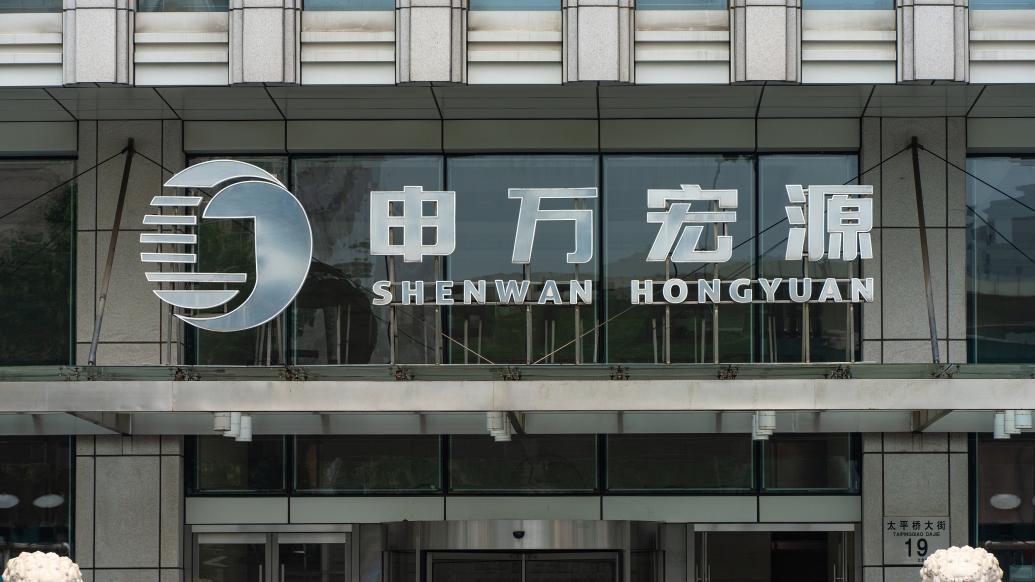
Shenyin & Wanguo Futures Co., Ltd. (hereinafter referred to as “Shenwan Futures”) is a holding subsidiary of Shenwan Hongyuan Securities under listed company Shenwan Hongyuan (000166.SZ), established in December 2007 with a registered capital of RMB 776 million. It operates multiple business offices across the country and is one of the well-known futures companies in China[1].
In late 2025, news of a year-end bonus distribution dispute at the company circulated online. According to online information, first-level department heads received year-end bonuses as high as RMB 300,000, while ordinary employees only got RMB 10,000, with a ratio of 30:1[1]. A senior employee who has worked at Shenyin & Wanguo Futures for five years stated that year-end bonus payments were normal in previous years; his average year-end bonus from 2021 to 2023 was approximately RMB 40,000, but he only received RMB 10,000 in 2025. Coupled with a sharp reduction in quarterly bonuses, his total annual income in 2025 decreased by about 45%[1].
After the incident continued to ferment online, the involved employee Liu launched a live stream “Special Session on Salary Cut Rights Protection” on social media to defend his rights. During the live negotiation, it is alleged that he was assaulted by the company’s general manager Lu Moujiang and fell, and Liu has reported the matter to the police, who have filed a case[2]. Starting from January 5, 2025, Liu has been suspended by the company and received a warning letter from the company, which pointed out that he “fabricated false information, infringed on the portrait rights of company employees, and disrupted the company’s office order”. However, Liu refuted that his demands are based on facts, and the live stream content truly recorded the negotiation process[2].
In response to this, relevant personnel from Shenyin & Wanguo Futures stated that the relevant information is false, and the company has reported it to the police, who are currently investigating and handling the matter[1]. Relevant personnel from Shenwan Hongyuan Securities also told the media that they have noticed the information and confirmed it is false[1].
Notably, Shenwan Futures’ performance shows a strong contrast with the decline in employee compensation. According to public financial data, the company’s revenue maintained growth in the past three years: operating revenues from 2022 to 2024 were RMB 2.374 billion, RMB 3.201 billion, and RMB 4.719 billion respectively, with year-on-year growth rates of 34.83% and 47.44% in 2023 and 2024[1]. However, net profit declined during the same period, dropping from RMB 322 million in 2022 to RMB 273 million in 2024.
In the first half of 2025, the company’s performance slumped sharply: revenue only reached RMB 297 million, a year-on-year decrease of 85.48%, and net profit attributable to the parent company was RMB 101 million, a year-on-year decrease of 19.82%[1]. This data forms a stark contrast with employees’ reflection that “the industry is booming but incomes are declining” — in 2025, the national futures market recorded a cumulative trading volume of 9.074 billion contracts and cumulative trading turnover of RMB 766.25 trillion, with year-on-year growth of 17.4% and 23.74% respectively[1].
More alarmingly, the overall performance of Shenwan Hongyuan is also “disconnected” from employee compensation. According to Choice data, since 2023, Shenwan Hongyuan’s performance has entered an upward trajectory: net profit attributable to the parent company increased by 65% year-on-year in 2023, 13% in 2024, and surged by 108% year-on-year in the first three quarters of 2025; however, per capita salary growth has stagnated, with per capita salary of RMB 654,000 in 2023 (a year-on-year decrease of 2%) and RMB 665,000 in 2024 (a year-on-year increase of only 1.6%)[2].
The exposure of Shenwan Futures’ salary dispute will have a profound impact on the talent competition pattern in the futures industry. First, the incident highlights the current situation of generally low salaries in the futures industry. A senior industry analyst frankly said: “The salary level of ordinary employees (in futures companies) is similar; the treatment of futures companies has always been at the bottom in the financial industry.”[2] A staff member from a brokerage-affiliated futures company’s business office also reported: “In this northern coastal city, getting RMB 5,000 per month after tax for back-office positions is quite good. In recent years, the industry’s prosperity has been poor, competition is fierce, and an annual income of over RMB 100,000 is not bad.”[2]
Against the backdrop of in-depth promotion of salary reform in the financial industry, futures companies generally face salary control pressure. According to statistics, the average salary-to-income ratio of the top 10 and top 20 listed securities firms fell back to below 30% in 2024[2]. Since the salary level in the futures industry is already low among the financial industry, this incident may further exacerbate the risk of talent loss.
It is particularly worth noting that professionals with expertise in futures research, trading consulting, and risk management are core assets of futures companies. If these talents leave due to salary dissatisfaction, it will directly affect the company’s service capabilities and market competitiveness. After the incident was exposed, other futures companies may take this opportunity to poach outstanding talents, accelerating talent flow in the industry.
The incident has been widely spread online, which will significantly change job seekers’ perception and expectations of the futures industry. On social media, many financial practitioners left messages expressing similar difficulties: “With the industry downturn and policy pressure, salary cuts in financial institutions have become an inevitable trend”[1]. The spread of such negative emotions may lead to:
- Fewer outstanding graduates will apply for positions in the futures industry, and instead turn to other financial sub-sectors such as banking, funds, and trusts;
- Existing employees in the industry will pay more attention to career development spacerather than just focusing on current salary levels;
- Talent competition will shift from salary competition to comprehensive value competition, including factors such as corporate culture, development platforms, and training systems.
The outbreak of Shenwan Futures’ salary dispute reflects the problems in the transparency of salary distribution in the futures industry. Employees demand “disclose the complete calculation rules for year-end bonuses, and provide a reasonable explanation and solution for this distribution dispute”[1], which represents the common demands of industry employees.
In the future, futures companies may face pressure from both employees and regulators to promote the transparency of the salary system:
- Employee level: Demands to understand information such as salary calculation logic and performance evaluation standards;
- Regulatory level: Regulatory authorities may strengthen compliance reviews of salary distribution in financial institutions to prevent excessively wide salary gaps;
- Industry level: The Futures Association may issue guiding opinions to promote the establishment of a more fair and reasonable salary distribution mechanism.
The incident may also have an impact on the talent structure of the futures industry. On the one hand, the salary dispute may prompt the industry to accelerate its transformation towards technology and intelligence to reduce dependence on traditional manual services; on the other hand, compound talents with financial technology backgrounds will be more favored, as such talents can not only provide professional services but also improve efficiency through technical means, increasing their bargaining power.
Shenwan Futures is a holding subsidiary of Shenwan Hongyuan Securities (with a shareholding ratio of nearly 98%), and its salary dispute reflects the positioning problem of brokerage-affiliated futures companies within their parent group systems. From Shenwan Hongyuan’s performance, the company’s net profit attributable to the parent company increased by 65% year-on-year in 2023, 13% in 2024, and surged by 108% year-on-year in the first three quarters of 2025[2], with overall performance on an upward trajectory. However, the salaries of the futures subsidiary’s employees have not increased but decreased. This phenomenon of “parent company’s profit growth while subsidiary’s employees face salary cuts” has sparked external doubts about the strategic positioning of brokerage-affiliated futures companies.
This contradiction may stem from the following factors:
- Resource allocation priority: In the securities firm system, futures business may not be a strategic priority, with resources tilted towards securities business;
- Unified salary control: Brokerage-affiliated futures companies may be constrained by the parent company’s salary control policies and cannot independently determine salary levels;
- Limited business synergy effect: The synergy value between futures business and securities business has not been fully realized, leading to the subsidiary’s limited strategic position within the group.
In 2025, the futures industry entered a substantive integration stage, with a clear policy orientation of “supporting superior and restricting inferior institutions”[3]. The implementation of the “Rules for the Filing of Asset Management Business of Futures Operating Institutions” and the “Provisions on the Classification and Evaluation of Futures Companies” has accelerated the clean-up of institutions that have held licenses for a long time without operating or have weak governance capabilities, resulting in a significant decline in the number of existing futures asset management entities. The industry competition logic has shifted from “quantitative expansion” to “qualitative screening”, and the trend of concentration in top-tier institutions has initially taken shape[3].
Against this background, brokerage-affiliated futures companies face dual pressures:
- External competition pressure: Intensified competition with non-brokerage-affiliated top-tier futures companies, especially in industrial customer services and risk management business;
- Internal integration pressure: The wave of mergers and acquisitions and restructuring in the securities industry is expected to extend to the futures industry. Almost all AA-class and A-class futures companies ranked in the top 50 are brokerage-affiliated futures companies, making mergers and acquisitions inevitable[3].
The exposure of Shenwan Futures’ salary dispute may affect the trust of investors and industrial clients in the company, thereby impacting its market competitiveness. In the critical period of industry integration, brand reputation and employee stability will become important factors for the company’s survival and development.
The Shenwan Futures incident has warning significance for the entire group of brokerage-affiliated futures companies. First, the incident exposes potential systemic problems in brokerage-affiliated futures companies in terms of salary distribution, employee communication, and internal governance. Second, against the backdrop of salary reform in the financial industry, how to balance performance growth and employee incentives has become a question that brokerage-affiliated futures companies need to seriously consider.
From industry practice, the year-end bonus of futures company employees is generally linked to performance, accounting for a considerable proportion of the overall income of financial institution employees, and the payment situation can directly determine the overall income level of employees[2]. According to Liu, when year-end bonuses are paid normally, the year-end bonus accounts for at least a quarter of the annual total salary, and quarterly bonuses also account for a quarter, adding up to half[2]. When these two parts of income shrink significantly, employees’ dissatisfaction will inevitably intensify.
In the future, brokerage-affiliated futures companies may need to:
- Establish a more transparent salary distribution mechanism, clarifying performance evaluation standards and calculation rules;
- Strengthen communication with employees, providing explanations and comfort when adjusting salary policies;
- Optimize the salary structure, while controlling fixed salaries, enhance employees’ sense of belonging and enthusiasm through equity incentives, profit sharing, and other methods;
- Re-examine the positioning of futures business in the group’s strategyto ensure that resource allocation matches development goals.
According to analysis by industry research institutions, the futures industry will present the following development trends in 2026[3]:
- Accelerated concentration in top-tier institutions: The mechanism of “determining levels by capability, promoting differentiation through regulation” continues to be strengthened, with top-tier institutions forming comprehensive platform advantages, mid-tier institutions focusing on segmented industries and professional tracks, and bottom-tier institutions gradually shifting to channel-based and tool-based positioning;
- Clear direction of business innovation: Trading consulting, asset management, and cross-border derivative services develop in a coordinated manner, with top-tier institutions relying on technological capabilities and international layouts to expand cross-market and cross-variety comprehensive services;
- Deepened technological empowerment: AI and big data are applied on a large scale in risk identification, scenario analysis, hedging decision-making, and compliance monitoring.
Facing these trends, brokerage-affiliated futures companies need to re-examine their development paths. On the one hand, they can leverage the parent company’s brand, customer resources, and research capabilities to establish differentiated competitive advantages; on the other hand, they need to innovate in salary incentives and talent retention to avoid the loss of core talents.
It is worth noting that in recent years, the salary control efforts in the securities industry have indeed increased[2]. In 2024, the average per capita revenue of listed securities firms rose back to RMB 1.21 million, a year-on-year increase of 10%, and per capita profit increased by 27%, while salary input was relatively tightened, with per capita salary growing by only about 6%[2]. This trend of “revenue growth but salary stagnation” may be more obvious in brokerage-affiliated futures companies, which requires high attention from management.
The outbreak of Shenwan Futures’ salary dispute reveals the long-standing salary dilemma in the futures industry. From a macro perspective, the root causes of this dilemma are:
- Homogeneous competition in brokerage business: The futures industry has long relied on channel business and handling fee income, and homogeneous competition has led to continuous decline in commission rates, restricting the overall profitability of the industry;
- Lagging development of innovative businesses: Although innovative businesses such as risk management, asset management, and investment consulting have been proposed for many years, their contribution to revenue is still limited, failing to form stable profit growth points;
- Relatively marginal industry status: In the financial system, the scale and influence of the futures industry are relatively small, making it difficult to obtain the same resource support as sub-sectors such as securities and banking.
A 30:1 salary gap like “RMB 300,000 for executives vs RMB 10,000 for employees” is not uncommon in the financial industry, but the problems reflected behind it are worthy of deep thought. From the perspective of corporate governance, the wide salary gap may stem from:
- Mechanism linking executive salaries to performance: The salaries of some financial institutions’ executives are linked to the company’s overall performance, while ordinary employees’ salaries are linked to individual performance. When the company’s performance grows but individual performance is poor, the gap will emerge;
- Imbalanced internal power structure: Under information asymmetry, management may have greater say in salary distribution, leading to the concentration of benefits in a few people;
- Improper incentive and restraint mechanisms: The lack of effective employee participation and supervision mechanisms makes it difficult to guarantee the fairness and transparency of salary distribution.
In the Shenwan Futures incident, the employee chose to defend his rights through online live streaming. Although this approach has attracted widespread attention, it has also brought many problems. From the employee’s perspective, this approach exposes the ineffectiveness of traditional internal appeal channels; from the company’s perspective, the response attitude of “this is an internal matter of the company”[1] obviously fails to appease employees’ dissatisfaction.
This incident has sounded an alarm for the industry: in the era of high information transparency, financial institutions need to establish more effective employee communication mechanisms and dispute resolution mechanisms to avoid the escalation of conflicts. At the same time, when handling labor disputes, they should follow the principles of legality and rationality, and avoid using improper means such as violence.
Based on the above analysis, the impact of Shenyin & Wanguo Futures’ salary dispute on talent competition in the futures industry and the development of brokerage-affiliated futures companies can be summarized as follows:
- Talent competition aspect: The incident will exacerbate the risk of talent loss in the futures industry, change job seekers’ expectations of the industry, promote the transparency of the industry’s salary system, and may affect the future talent structure of the industry. The salary level in the futures industry is already low among the financial industry, and the spread of negative events will make it more difficult to attract and retain outstanding talents.
- Brokerage-affiliated futures companies’ development aspect: The incident reflects potential problems such as resource allocation and strategic positioning that brokerage-affiliated futures companies may face within their parent group systems. Against the backdrop of accelerated industry integration, brand reputation and employee stability will become important factors affecting the company’s competitiveness. The incident has warning significance for other brokerage-affiliated futures companies, which need to re-examine internal governance issues such as salary incentives and talent retention.
- Industry governance aspect: The incident exposes systemic problems in the futures industry in terms of salary distribution transparency, employee communication mechanisms, and internal governance structure. With the in-depth advancement of salary reform in the financial industry, how to control salary gaps while maintaining employee enthusiasm will be a long-term issue that futures companies need to face.
Looking ahead, the talent competition pattern in the futures industry and the development of brokerage-affiliated futures companies may present the following trends:
- Accelerated salary system reform: Under the dual pressure of regulatory promotion and employee demands, futures companies will accelerate salary system reform, establish a more transparent and fair salary distribution mechanism, and may explore innovative incentive methods such as equity incentives and profit sharing;
- Differentiated talent competition: With limited salary competition, futures companies will form differentiated competitive advantages in terms of corporate culture, development platforms, training systems, and career promotion channels to attract and retain outstanding talents;
- Accelerated industry integration: Under the policy orientation of “supporting superior and restricting inferior institutions”, industry integration will accelerate, and the trend of concentration in top-tier institutions will become more obvious. Brokerage-affiliated futures companies need to clarify their strategic positioning and seek survival space through mergers and acquisitions or differentiated development;
- Increased importance of technological empowerment: As technology plays an increasingly important role in futures business, compound talents with financial technology backgrounds will be more favored. Companies will increase investment in the introduction and training of technological talents to enhance overall competitiveness;
- Stricter regulation and compliance pressure: Regulatory authorities may strengthen compliance reviews of salary distribution in financial institutions, and futures companies need to strengthen compliance management in terms of salary policies, information disclosure, and employee rights protection.
In summary, although the Shenyin & Wanguo Futures salary dispute is an individual case, the problems it reflects are universal and representative. The futures industry and brokerage-affiliated futures companies need to take this as an opportunity to deeply reflect on talent strategies and internal governance issues, seek development in transformation, and win the future in competition.
[1] 南方网 - 年终奖领导30万员工1万,质疑者被停职?申万期货否认 (https://news.southcn.com/node_17a07e5926/d10cf75aad.shtml)
[2] 新浪财经 - “领导年终奖30万元,普通员工1万”,期货公司员工称因降薪讨说法遭袭 (https://finance.sina.com.cn/jjxw/2026-01-08/doc-inhfrkwm1088137.shtml)
[3] 东方财富网 - 新财观|2026年国内期货市场十大猜想 (https://finance.eastmoney.com/a/202601053608756190.html)
Insights are generated using AI models and historical data for informational purposes only. They do not constitute investment advice or recommendations. Past performance is not indicative of future results.
About us: Ginlix AI is the AI Investment Copilot powered by real data, bridging advanced AI with professional financial databases to provide verifiable, truth-based answers. Please use the chat box below to ask any financial question.