White House Economic Data Disclosure Incident: Analysis of the Trump Jobs Report Leak
Unlock More Features
Login to access AI-powered analysis, deep research reports and more advanced features
About us: Ginlix AI is the AI Investment Copilot powered by real data, bridging advanced AI with professional financial databases to provide verifiable, truth-based answers. Please use the chat box below to ask any financial question.
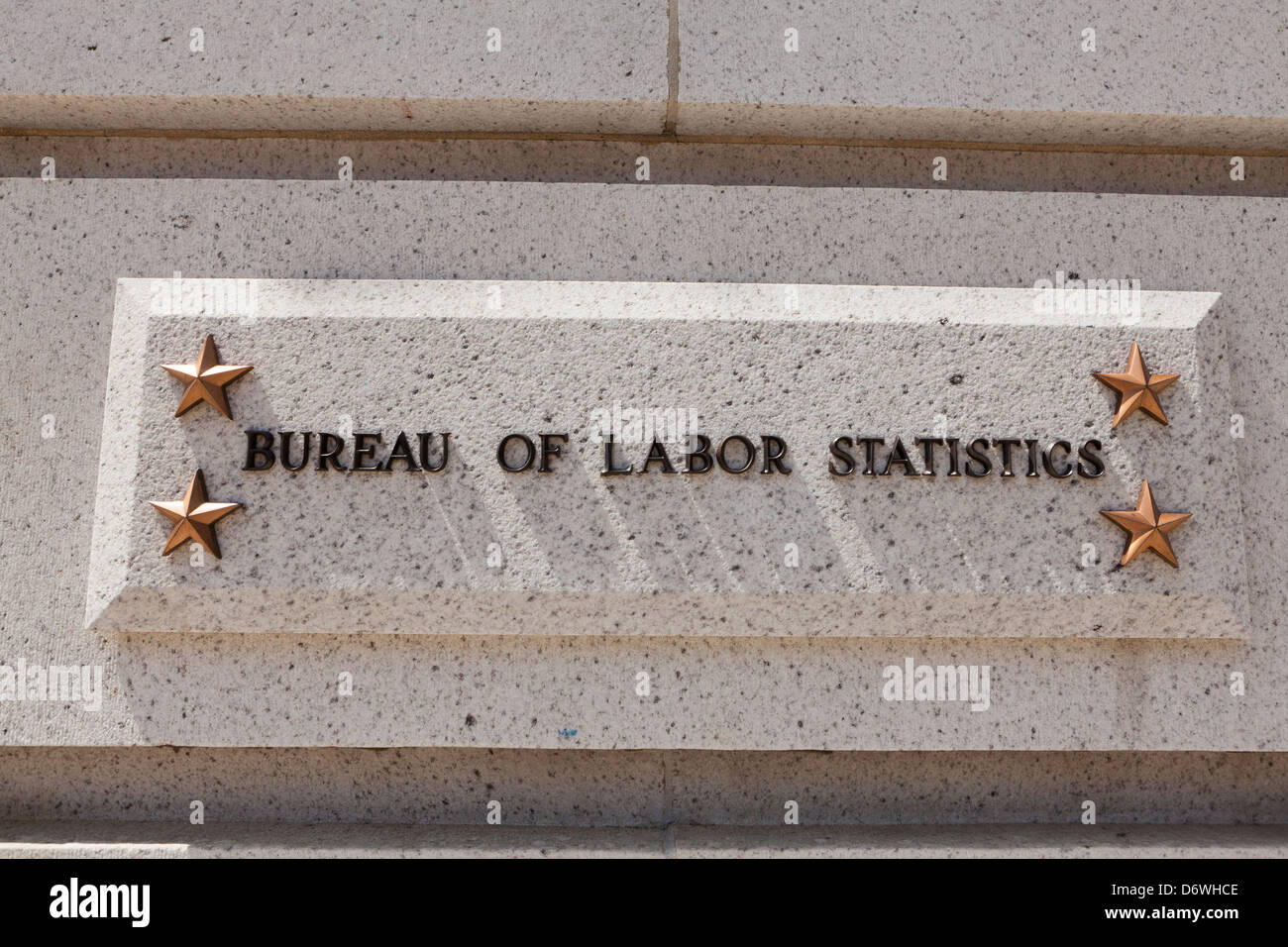
This analysis examines the incident on January 8-9, 2026, in which President Donald Trump posted embargoed Bureau of Labor Statistics nonfarm payroll data on his Truth Social platform approximately 12 hours before its official public release. The post revealed that 654,000 private sector jobs had been added since January, a figure that was not available to the general public until the scheduled 8:30 a.m. ET release on January 9, 2026. The White House characterized this as an “inadvertent public disclosure” and announced a review of protocols [1][2]. This breach potentially violated long-standing Office of Management and Budget policies designed to prevent information asymmetry in market-moving economic statistics. While immediate market impact appeared limited—possibly due to Truth Social’s limited audience reach of only 3% of U.S. adults—the incident raises significant concerns about market integrity, procedural safeguards, and regulatory oversight of embargoed economic data [1][2][0].
On Thursday evening, January 8, 2026, President Trump published a post on Truth Social containing detailed economic data from the upcoming Bureau of Labor Statistics nonfarm payrolls report. The post included a Council of Economic Advisers calculation showing 654,000 private sector jobs added since January, encompassing the period through December 2025 [1][2]. This disclosure occurred approximately 12 hours before the data’s official release at 8:30 a.m. ET on Friday, January 9, 2026.
The Office of Management and Budget maintains explicit policies governing the handling of embargoed economic data. These protocols prohibit executive branch officials from releasing or commenting on market-moving economic statistics prior to their official publication. Additionally, the policy restricts public statements by officials with early access until at least 30 minutes after the official release, a framework designed specifically to prevent unfair trading advantages for those who receive advance information [1][2]. The breach of these protocols represents a significant deviation from established procedures that have governed the release of sensitive economic data for decades.
The White House response to the incident was swift in its characterization but vague in its remedial commitments. Officials described the disclosure as an “inadvertent public disclosure” and stated that the administration is “reviewing protocols regarding economic data releases” [1][2]. This framing suggests that the administration does not view the incident as intentional misconduct but rather as an operational lapse in the handling of embargoed information.
The distinction between “inadvertent” and intentional disclosure carries significant implications for potential regulatory and legal consequences. An inadvertent disclosure may be treated as a procedural failure warranting administrative reforms, whereas an intentional leak could trigger securities law investigations, particularly regarding potential insider trading by parties who may have acted on the advance information. The White House’s immediate characterization may reflect strategic positioning to minimize potential regulatory exposure [1].
The immediate market reaction to both the official jobs report and the preceding disclosure was notably contained. The Dow Jones Industrial Average gained 227 points during the trading session following the official release, while the S&P 500 advanced 0.71% and the Nasdaq rose 0.93% [0]. The December nonfarm payrolls report ultimately showed only 50,000 jobs added, with gains concentrated primarily in the healthcare sector [3].
Several factors likely contributed to the limited market impact from the disclosure. Truth Social’s user base is substantially smaller than mainstream social media platforms and traditional news outlets, with only approximately 3% of U.S. adults reporting ever using the platform [1]. This limited reach suggests that the information may not have reached a sufficient number of market participants to generate meaningful trading activity based on the advance knowledge. Additionally, the specific figures disclosed—total private sector job gains since January—provided historical context rather than the month-over-month changes that traders typically prioritize for positioning [2][3].
This incident is not without precedent in recent administrative history. During President Trump’s first term in 2018, a similar situation occurred when the administration hinted at jobs report content approximately one hour before its official release [2]. The repetition of such incidents suggests potential systemic vulnerabilities in the protocols governing the briefing of senior administration officials on embargoed economic data.
The historical precedent is particularly relevant because it demonstrates a pattern of behavior rather than an isolated incident. If the 2018 incident was addressed through protocol modifications, the recurrence of a similar disclosure raises questions about the adequacy of those reforms. Alternatively, if no substantive changes were implemented following the earlier incident, the current situation represents an escalation of a known vulnerability rather than a novel breach [2].
The disclosure incident reveals potential structural weaknesses in the systems designed to protect embargoed economic data. The Office of Management and Budget protocols assume that officials with early access will exercise appropriate discretion in their public communications. However, the incident demonstrates that these protocols may be insufficient when the official with access is also an active and prolific social media user who regularly communicates directly with the public outside traditional press channels [1][2].
TheTruth Social platform, as a communication vehicle, presents unique challenges for embargo enforcement. Unlike traditional media outlets that maintain editorial oversight and embargo compliance standards, social media platforms allow immediate publication without intermediary review. When the President of the United States serves as both the source of embargoed information and the publisher of that information through personal social media accounts, traditional embargo safeguards become ineffective [1].
Even with Truth Social’s limited reach, the principle of equal access to market-moving information has been compromised. The framework governing embargoed economic data rests on the foundational premise that all market participants should have simultaneous access to information that can move markets. The disclosure, regardless of whether it reached a meaningful number of traders, violated this principle [1][2].
The Securities and Exchange Commission maintains surveillance capabilities designed to detect unusual trading patterns that may indicate insider trading or market manipulation. In the approximately 12-hour window between the Truth Social post and the official release, trading activity in assets sensitive to employment data—including the U.S. dollar, Treasury securities, and equity index futures—should be subject to heightened scrutiny [1]. The limited market impact does not eliminate the need for regulatory review; rather, it may make such review more important as a deterrent signal to future potential violators.
Beyond the immediate policy and regulatory considerations, the incident carries implications for institutional trust in the integrity of economic data releases. Market participants, including institutional investors, asset managers, and trading firms, rely on the established framework of simultaneous information release to ensure fair and orderly markets. Breaches of this framework, even when they do not result in measurable market manipulation, erode confidence in the system over time [1][2].
The White House commitment to reviewing protocols represents an opportunity to strengthen institutional safeguards. However, the effectiveness of any reforms will depend on their implementation and enforcement. Historical precedent suggests that administrative reviews following similar incidents have not always produced durable solutions, as evidenced by the recurrence of comparable disclosures [2].
The immediate time sensitivity of this incident relates to potential regulatory response and any trading activity that may have occurred during the disclosure window. Market participants with relevant information or concerns should consider filing any appropriate inquiries or tips with the SEC while the matter remains fresh in regulatory attention. The White House protocol review is expected to proceed in the near term, and stakeholders should monitor for any announced reforms [1][2].
The incident involving President Trump’s Truth Social post containing embargoed Bureau of Labor Statistics nonfarm payroll data represents a significant breach of established protocols governing the release of market-sensitive economic information. The disclosure of 654,000 private sector jobs added since January occurred approximately 12 hours before the official release at 8:30 a.m. ET on January 9, 2026, potentially violating Office of Management and Budget policies designed to prevent information asymmetry and unfair trading advantages [1][2].
The White House has characterized the disclosure as inadvertent and announced a review of protocols. Market impact appeared limited, with stocks rallying on the official jobs report, though this may reflect Truth Social’s limited audience reach of only 3% of U.S. adults rather than the absence of information asymmetry [1][0]. The December nonfarm payrolls report showed only 50,000 jobs added, with gains concentrated in healthcare [3].
Historical precedent indicates this is not the first such incident during the Trump administration, suggesting potential structural vulnerabilities in embargo protocols that require systemic reform rather than procedural band-aids [2]. Regulatory review, particularly by the SEC regarding potential trading activity during the disclosure window, remains a possibility despite the administration’s framing of the incident as inadvertent [1].
Market participants should monitor regulatory announcements, protocol reform developments, and any unusual trading pattern analyses that may emerge from this incident. The fundamental principle of equal access to market-moving information has been compromised, and the appropriate institutional response will be an important indicator of commitment to market integrity going forward.
[1] Fortune - “White House says it’s ‘reviewing protocols’ after Trump leak jobs data early”
URL: https://fortune.com/2026/01/09/trump-leak-jobs-data-early-white-house-reviewing-protocols/
[2] Yahoo Finance - “Trump posted unpublished jobs data early on social media”
URL: https://finance.yahoo.com/news/trump-posted-unpublished-jobs-data-184043351.html
[3] CNN Business - “The US economy added just 50,000 jobs last month”
URL: https://www.cnn.com/business/live-news/us-jobs-report-december-01-09-2026
[0] Ginlix Analytical Database - Market indices data and real-time quote analysis
Insights are generated using AI models and historical data for informational purposes only. They do not constitute investment advice or recommendations. Past performance is not indicative of future results.
About us: Ginlix AI is the AI Investment Copilot powered by real data, bridging advanced AI with professional financial databases to provide verifiable, truth-based answers. Please use the chat box below to ask any financial question.