
Evaluation Report on the Market Competitiveness of Xiaomi Auto: A Comparative Analysis of Sales and Finance with Tesla
Unlock More Features
Login to access AI-powered analysis, deep research reports and more advanced features
About us: Ginlix AI is the AI Investment Copilot powered by real data, bridging advanced AI with professional financial databases to provide verifiable, truth-based answers. Please use the chat box below to ask any financial question.
Related Stocks
Based on collected market data, sales comparisons, and financial analysis, this report conducts a comprehensive evaluation of the market competitiveness of Xiaomi Auto’s business.
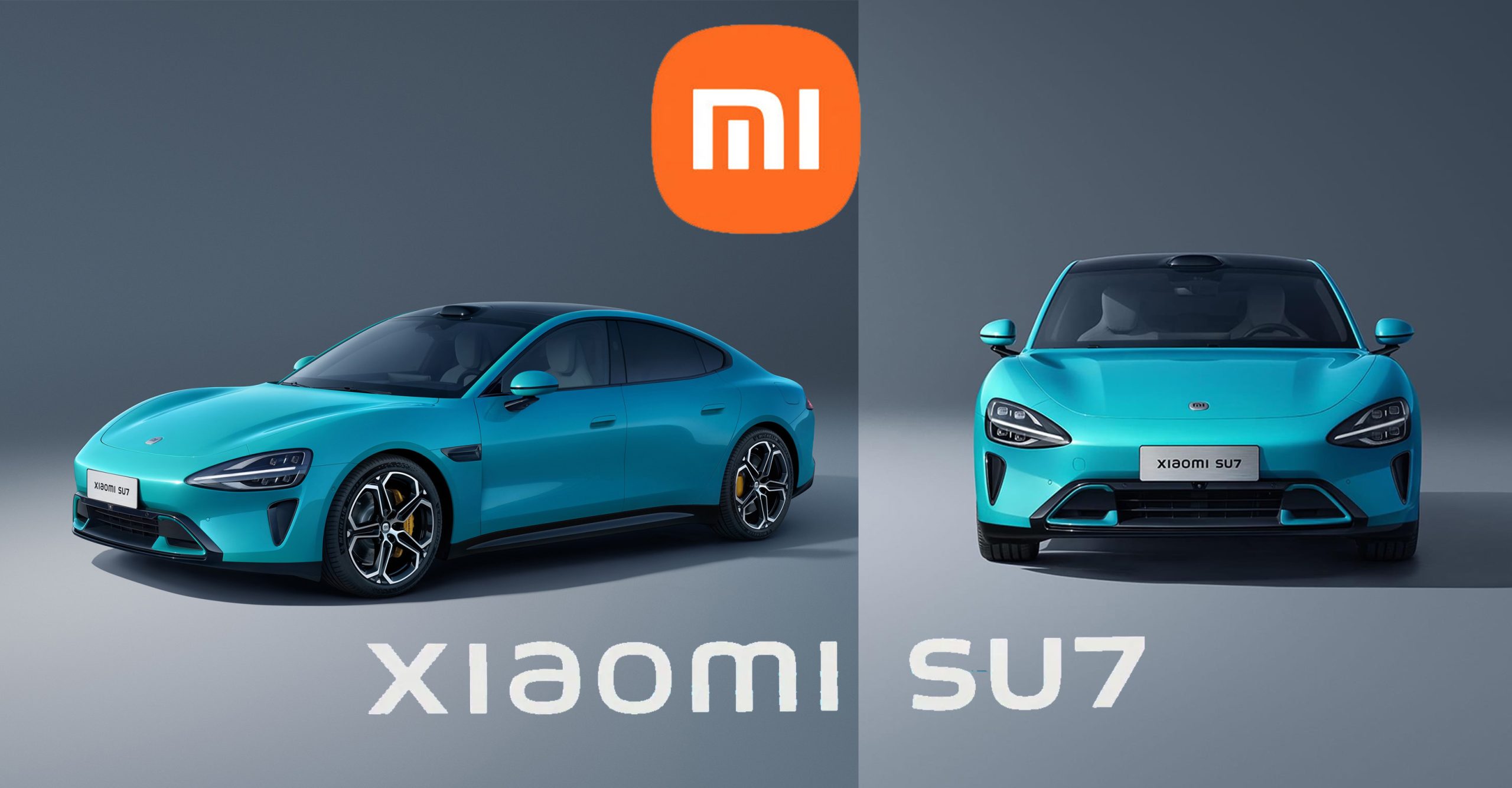
According to data from the China Passenger Car Association, Xiaomi SU7 has achieved breakthrough progress in key market segments. From April 2024 to January 2025, Xiaomi SU7 recorded cumulative deliveries of 162,384 units, while Tesla’s Model 3 sold 152,748 units in the same period, marking Xiaomi SU7’s first overtaking [1][2]. Cumulative sales data from January to May 2025 shows that Xiaomi SU7 consolidated its market position with 124,508 units [3]. In May 2025, its monthly sales reached 28,013 units, with continuous month-on-month growth, indicating that Xiaomi has established a leading position in the mid-to-large pure electric sedan market [3].
Xiaomi YU7 has shown strong market competitiveness since its launch in June 2024, winning the sales championship of mid-to-large SUVs for four consecutive months (August to November). Its retail sales from August to November were 16,500 units, 22,400 units, 33,700 units, and 33,700 units respectively [4][5]. Data from October 2025 shows that Xiaomi Auto’s total sales reached 48,654 units, of which the YU7 accounted for 33,662 units, surpassing Tesla’s Model Y sales in the Chinese market (approximately 26,100 units) [6]. This marks Xiaomi as the first domestic pure electric SUV brand to outsell Tesla’s Model Y in terms of sales volume [7].
Tesla delivered 1.636 million vehicles globally in 2025, a year-on-year decrease of approximately 8.6%, marking its second consecutive year of year-on-year sales decline [8][9]. More notably, BYD’s pure electric vehicle sales reached 2.2567 million units in 2025, a year-on-year increase of 28%, surpassing Tesla in annual sales for the first time [8][10]. In the Chinese market, Tesla’s registered sales in the first 11 months of 2025 were 531,900 units, a decrease of 7.37% compared to 574,200 units in the same period of the previous year [8][11]. Tesla also faces challenges in the European market, with new car registrations falling 39% year-on-year in the first 11 months, and its market share dropping to 1.3% [8].
Xiaomi Group’s total revenue in Q3 2025 reached RMB 113.1 billion, a year-on-year increase of 22.3%, of which revenue from the smart electric vehicle and AI and other innovative business segments was RMB 29 billion, a year-on-year increase of 199.2% [12][13]. The auto business recorded revenue of RMB 28.3 billion, accounting for approximately 25% of total revenue, a significant increase from 6% in 2024 [12][13]. This change in revenue structure indicates that the auto business is transforming from Xiaomi’s “innovative business” to a core growth engine.
In Q3 2025, Xiaomi’s auto business achieved its first quarterly operating profit of RMB 700 million, with core operating profit of approximately RMB 680 million [12][13]. The gross margin of the auto business reached 25.5%, significantly higher than the 11.1% gross margin of the mobile phone business [12]. The average transaction price per vehicle increased to RMB 260,000, mainly driven by structural improvement from increased shipments of the relatively higher-priced YU7 model [12]. This profit performance marks that Xiaomi’s auto business has crossed the initial loss stage and entered a healthy development track of sustainable profitability.
Although the revenue of the traditional “Mobile × AIoT” business only increased by 1.6% year-on-year, the rapid growth of the auto business drove Xiaomi Group’s adjusted net profit to reach RMB 11.3 billion, a year-on-year increase of 80.9%, hitting a record high [12][14]. This dual-drive model of “traditional businesses stabilizing the foundation, auto business boosting growth” has laid a solid foundation for Xiaomi’s future development.
Xiaomi has established significant competitive advantages in core automotive technologies. In terms of electric drive, Xiaomi has jointly developed V6 and V6s motors with industry leaders, with a maximum speed of 21,000 rpm. The triple-motor system (V8s+V6s) equipped on the SU7 Ultra can output 1,548 horsepower, achieving 0-100 km/h acceleration in just 1.98 seconds and a top speed of 350 km/h, comprehensively surpassing Tesla’s Model S Plaid [15][16]. In terms of batteries, Xiaomi independently developed an 800V silicon carbide high-voltage platform with a maximum voltage of 871V, and jointly developed CTB integrated technology with CATL, achieving world-leading volume efficiency [16][17]. In terms of intelligent driving, Xiaomi adopts the underlying algorithm of BEV+Transformer+Occupancy Network, and its dedicated intelligent driving team has exceeded 1,000 people, with an investment of RMB 4.7 billion [16][17].
The “full ecosystem of human, vehicle and home” is Xiaomi Auto’s core differentiated advantage over competitors. The Xiaomi SU7 is equipped with a 16.1-inch 3K ultra-clear central control screen, a 56-inch HUD, and a flip instrument screen, enabling a five-screen interactive space in the car [16][17]. Xiaomi phones connect seamlessly with the car; after getting in the car, the phone icon automatically appears on the central control screen, and the phone interface can be opened with one click by tapping it. HyperOS realizes full ecosystem interconnection of human, vehicle and home: car owners can use Xiaoai Speaker at home to pre-condition the car in advance, and can also control smart devices at home via voice in the car [16][17]. This ecosystem synergy experience is a unique advantage that is difficult for competitors like Tesla to replicate.
While maintaining technological leadership, Xiaomi Auto has adopted a highly competitive pricing strategy. The SU7 is priced at RMB 215,900 - RMB 299,900, and the YU7 is priced at RMB 253,500 - RMB 329,900, which are significantly lower than Tesla’s prices for comparable configurations [5][7]. The SU7 Ultra is priced at RMB 529,900 - RMB 814,900, only 26.5% of the price of the Porsche Taycan Turbo GT, but offers higher power motors and more aggressive performance parameters [15]. This product philosophy of “technology democratization” and “performance for all” has successfully attracted a large number of young consumers.
Xiaomi Auto’s Beijing Phase I plant has broken through the design capacity limit through two-shift operation, increasing its annual capacity from 150,000 units to 300,000 units, with utilization rate close to 200% [18][19]. The Phase II plant also has a planned annual capacity of 150,000 units; if both plants maintain the current efficiency, the annual output can reach 600,000 units [18]. The general assembly workshop of the Phase III plant is scheduled to be put into operation after the Spring Festival in 2026, and the Wuhan Phase I plant is scheduled to start in May 2026, with a planned monthly production volume of 35,000 units to be achieved in October [18][19].
Xiaomi plans to launch four new models in 2026, forming a strategic layout of parallel development of pure electric and extended-range routes. On the pure electric route, the facelifted SU7 will see significant upgrades to its three-electric system, and is expected to be equipped with a 900V high-voltage architecture and 5C ultra-fast charging battery as standard across the entire range; the SU7L (or Executive Version) will target the executive sedan market with an extended wheelbase (possibly exceeding 3.1 meters) [20][21]. On the extended-range route, the seven-seat SUV codenamed “Kunlun” and the five-seat YU8/YU9 will enter the currently booming family car market [20][21].
In his 2026 New Year live broadcast, Lei Jun announced that Xiaomi Auto’s deliveries exceeded 410,000 units in 2025, exceeding the original target of 350,000 units, and set the 2026 annual delivery target at 550,000 units [4][5]. Multiple institutions have given optimistic forecasts: Guosen Securities expects Xiaomi Auto’s sales to exceed 800,000 units in 2026, and Ping An Securities predicts sales of 750,000 units in 2026, which is expected to increase to 1.2 million units in 2027 [18].
The Chinese auto market will face overall downward pressure in 2026, with Morgan Stanley forecasting sales of 22.5 million units, a year-on-year decline of 7% [22]. Traditional brands such as BYD and Geely are accelerating their transformation to new energy, and new forces such as NIO, Xpeng, and Li Auto are continuously improving their product matrices, making the competitive environment facing Xiaomi increasingly fierce [23]. Especially in the extended-range SUV market, Li Auto has established strong user awareness, and Xiaomi will face fierce competition when entering this segment [20][21].
Xiaomi still has obvious shortcomings in terms of after-sales network coverage and charging network. As of the end of December 2025, Xiaomi Auto has 264 service outlets nationwide, covering 151 cities, which still lags behind the coverage density of traditional car companies and Tesla [4][5]. The decision-making cycle for car consumption is longer, and users’ requirements for battery safety, after-sales service, and software iteration speed are much higher than those for mobile phones. Improving these infrastructures requires time accumulation [23].
The “intelligent, sporty, youthful” brand image established by Xiaomi with the SU7 is deeply rooted in people’s hearts, but expanding into the executive sedan market and family SUV market requires reshaping brand perception [20][21]. In the executive car market above RMB 300,000, brand premium, user reputation, and long-term accumulation of scenario-based experience are crucial, and Xiaomi still needs to accumulate in this regard [23].
Launching four new or significantly facelifted models within one year is a huge test for supply chain collaboration, production line transformation, and quality control [20][21]. From the perspective of industry actual implementation rules, achieving million-level production capacity faces multiple constraints such as new plant ramp-up cycles, supply chain collaboration, and market demand matching. Bloomberg predicts that Xiaomi Auto’s production capacity may reach 782,000 units in 2026 [19][23].
In terms of global sales scale, Xiaomi’s 2025 deliveries of 410,000 units still have a significant gap with Tesla’s 1.636 million units, so it is unlikely to surpass Tesla in overall sales in the short term. However, in specific market segments, Xiaomi has shown strong competitiveness: the SU7 is the only pure electric sedan in the same segment that has outsold Tesla’s Model 3, and the YU7 is the first domestic pure electric SUV to outsell the Model Y. These local victories indicate that Xiaomi has the strength to compete head-on with Tesla in product competitiveness.
Xiaomi’s auto business has become an important growth engine of Xiaomi Group. In Q3 2025, the auto business accounted for 25% of total revenue, a significant increase from 6% in 2024. The achievement of its first quarterly operating profit marks that the business has entered the mature stage. With the launch of four new models in 2026 and continuous capacity expansion, the auto business’s contribution to Xiaomi Group’s revenue and profit will further increase. Strategically, Xiaomi Auto is not only a new business segment but also the core hub of Xiaomi’s “human, vehicle and home full ecosystem” strategy.
For Xiaomi to achieve an all-round surpass of Tesla, it needs to make continuous breakthroughs in the following key areas: first, continue to expand production capacity to achieve annual sales of one million units; second, improve the global market layout and enter Tesla’s advantageous markets such as Europe and Southeast Asia; third, deepen intelligent technology, especially forming competitive advantages in FSD-level autonomous driving capabilities; fourth, establish brand premium perception and gain recognition in the executive sedan and luxury SUV markets. Achieving these goals requires 5-10 years of accumulation, which is consistent with Lei Jun’s strategic goal of “ranking among the top five global car companies in 15 to 20 years” [20].
In summary, Xiaomi’s auto business has demonstrated the ability to support its role as a new growth engine for the group, and has the strength to compete with Tesla in segment markets. However, to surpass Tesla in overall sales and on a global scale, it still needs continuous technological investment, capacity expansion, and brand building. In the short term, a more pragmatic goal for Xiaomi Auto is to consolidate its existing market position, expand its product matrix, and improve profitability, rather than achieving an all-round surpass of Tesla in the short term.
[1] EET China - Comprehensive Comparison of Xiaomi SU7 and Tesla Model 3 (https://www.eet-china.com/mp/a404094.html)
[2] SysPro System Engineering Think Tank - Analysis of Sales Game Between Xiaomi SU7 and Tesla Model 3
[3] News18a - Xiaomi SU7 Sales Exceed 200,000: Strength or Luck? (https://www.news18a.com/news/storys_219649.html)
[4] Sina Finance - 550,000 Units! Xiaomi Auto’s 2026 Target Officially Announced (https://finance.sina.com.cn/roll/2026-01-06/doc-inhfknak5847871.shtml)
[5] Sina Finance - Xiaomi YU7 Launches 3-Year Interest-Free Car Purchase Benefit (https://news.qq.com/rain/a/20260102A02MQ400)
[6] UDN Autos - Is Tesla’s Popularity Fading in China? Xiaomi YU7 Sales Surpass Tesla Model Y (https://autos.udn.com/autos/story/124115/9184664)
[7] Kuai Technology - 2025 Annual Awards: Xiaomi YU7 Boasts Excellent Range Performance (https://finance.sina.cn/tech/2025-12-30/detail-inheqixr5810102.d.html)
[8] Changjiang Business Daily - Tesla Delivered 1.636 Million Units in 2025, Lagging Behind BYD (https://finance.sina.com.cn/roll/2026-01-05/doc-inhfffrw6821315.shtml)
[9] Securities Times - Tesla Loses the Throne of “Global EV Sales Champion” (https://www.stcn.com/article/detail/3568620.html)
[10] Sina Finance - Not an Automaker, But a Tech Company: Tesla’s Core Markets Continue to Fall (https://finance.sina.com.cn/tech/csj/2026-01-09/doc-inhfswxp2951878.shtml)
[11] AASTOCKS.com - Xiaomi Auto YU7 Ranks First in Mid-to-Large SUV Sales for Four Consecutive Months (http://www.aastocks.com/sc/mobile/news.aspx?newsid=NOW.1495059)
[12] Huxiu - Can Xiaomi Auto Really Hold Up Its Reputation? (https://www.huxiu.com/article/4807068.html)
[13] Sina Finance - Auto Business Revenue Reaches RMB 28.3 Billion! Xiaomi Group Releases Latest Financial Report (https://finance.sina.com.cn/roll/2025-11-20/doc-infxyyff2969820.shtml)
[14] Securities Times - Xiaomi’s “Human, Vehicle, Home” Strategy Temporarily Withstands Pressure; Q3 Revenue Grows 22.3% Year-on-Year (https://www.stcn.com/article/detail/3501497.html)
[15] Zhihu Column - Advantage Analysis of Xiaomi SU7 Ultra (https://zhuanlan.zhihu.com/p/27458597083)
[16] Guolian Securities - Automotive Industry Comment and Research: Xiaomi SU7 Has Significant Cost-Effectiveness Advantages (https://www.fxbaogao.com/detail/4228698)
[17] Eastmoney - Xiaomi Auto Officially Launched: Intelligence and Xiaomi Ecosystem Forge Core Competitiveness (https://pdf.dfcfw.com/pdf/H3_AP202403291629034190_1.pdf)
[18] Sohu Auto - Xiaomi Auto Targets 1.2 Million Units of Production Capacity in 2026 (https://www.sohu.com/a/952076851_121885028)
[19] Sina Finance - Striving for 1.2 Million Units of Annual Capacity? Xiaomi Auto Speeds Ahead (https://finance.sina.com.cn/stock/t/2025-11-19/doc-infxyiiu1498039.shtml)
[20] Autohome - Xiaomi’s 2026 Plan Exposed: Four New Models on Two Fronts (https://chejiahao.autohome.com.cn/info/24674455)
[21] Auto Home Channel - Xiaomi’s 2026 Plan Exposed (https://www.automotive.com.cn/article/24674455)
[22] QQ News - BMW Slashes Prices by RMB 300,000; Xiaomi YU7 Launches 3-Year Interest-Free Program (https://news.qq.com/rain/a/20260102A02MQ400)
[23] Sina Finance - Striving for 1.2 Million Units of Annual Capacity? Xiaomi Auto Speeds Ahead, Will Face a Major Test Next Year (https://finance.sina.com.cn/stock/t/2025-11-19/doc-infxyiiu1498039.shtml)
Insights are generated using AI models and historical data for informational purposes only. They do not constitute investment advice or recommendations. Past performance is not indicative of future results.
About us: Ginlix AI is the AI Investment Copilot powered by real data, bridging advanced AI with professional financial databases to provide verifiable, truth-based answers. Please use the chat box below to ask any financial question.