
DOJ Criminal Investigation into Fed Chair Powell: Market and Institutional Impact Analysis
Unlock More Features
Login to access AI-powered analysis, deep research reports and more advanced features
About us: Ginlix AI is the AI Investment Copilot powered by real data, bridging advanced AI with professional financial databases to provide verifiable, truth-based answers. Please use the chat box below to ask any financial question.
Related Stocks
This analysis examines the unprecedented criminal investigation initiated by the U.S. Department of Justice against Federal Reserve Chair Jerome Powell, following allegations that he provided false testimony to Congress regarding the $2.5 billion renovation of the Fed’s headquarters in Washington, D.C. Grand jury subpoenas were served on January 10, 2026, escalating what began as a congressional inquiry in July 2025 into a formal criminal probe. The investigation raises profound questions about Federal Reserve independence, monetary policy continuity, and the intersection of political pressures with central bank operations. Markets displayed modest weakness on January 13, with the Dow Jones underperforming at -0.86%, reflecting investor caution amid institutional uncertainty [0][5].
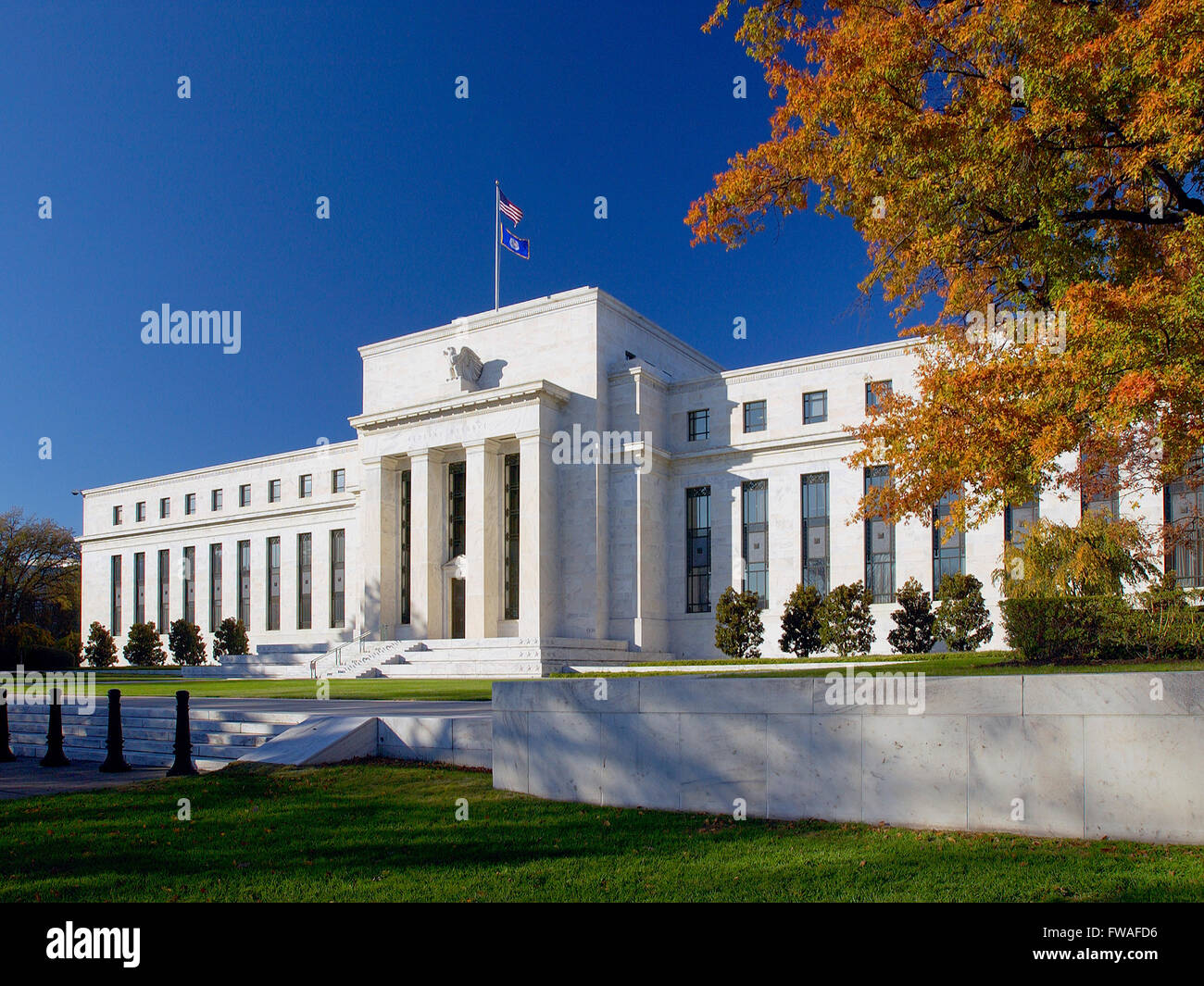
The investigation centers on the Federal Reserve’s headquarters renovation project, which has seen costs escalate from approximately $1.9 billion to at least $2.5 billion. The core allegations involve statements Powell made during testimony before the Senate Banking Committee in June 2025, during which he characterized the renovation as modest and denied the inclusion of certain lavish features [1][2]. According to the reports, these features include a VIP dining room, new marble installations, special elevators, water features, and rooftop gardens—elements that congressional critics argue contradict Powell’s characterization of the project.
The chain of events leading to the criminal investigation began when Representative Anna Paulina Luna (R-Florida) referred Powell to the Department of Justice in July 2025, following concerns raised about the accuracy of his testimony [2]. The matter remained relatively quiet until grand jury subpoenas were served on Friday, January 10, 2026, signaling that prosecutors have progressed beyond preliminary inquiry to formal criminal investigation [1][3]. This timeline suggests that investigators have gathered sufficient preliminary evidence to believe that criminal charges may be warranted.
In a video statement released on Sunday, January 11, 2026, Powell addressed the investigation directly, characterizing it as “pretext” and alleging that it represents political retaliation for the Federal Reserve’s monetary policy decisions [2][4]. Specifically, Powell framed the inquiry as an attempt to pressure the Fed into adjusting interest rate policies in accordance with the preferences of the Executive Branch. This characterization is significant because it frames the investigation not merely as a matter of truthfulness about construction costs, but as a broader confrontation over the independence of monetary policy decision-making.
The White House response, delivered through Press Secretary Karoline Leavitt, indicated that the Administration views the DOJ’s investigation as appropriate, stating that prosecutors will determine whether Powell is “a criminal” [4]. This position suggests that the Executive Branch is not intervening to shield the Fed Chair from scrutiny, which itself represents a departure from traditional norms of respecting central bank independence.
The investigation into Powell represents an extraordinary development in American financial governance. No sitting Federal Reserve Chair has ever faced criminal prosecution, and the institution has historically operated with substantial insulation from political pressure. The Fed’s independence is considered essential to its effectiveness in managing monetary policy, as market confidence in the central bank’s decisions requires belief that those decisions are based on economic analysis rather than political considerations [4].
The renovation project at the center of the investigation involves two buildings in Washington, D.C.: the Marriner S. Eccles Building (the Fed’s primary headquarters) and the 1951 Constitution Avenue Building [1]. The scope and cost of this renovation has attracted scrutiny from congressional overseers who question whether expenditures were appropriately managed and accurately represented to elected officials responsible for government oversight.
The most significant implication of this investigation extends far beyond the specific allegations about renovation costs. Powell’s characterization of the investigation as political retaliation raises fundamental questions about whether the Federal Reserve can continue to function as an independent institution if its leadership faces potential criminal liability based on contested testimony. The potential chilling effect on future Fed officials cannot be overstated—if testimony before Congress can trigger criminal investigations, the willingness of qualified candidates to serve in such positions may be affected.
The timing of the investigation also invites scrutiny. Powell’s reference to political pressure regarding interest rate preferences suggests that the Fed Chair believes the investigation is connected to disagreements over monetary policy between the Federal Reserve and the Trump Administration. Whether or not this characterization proves accurate, the mere perception of political motivation in prosecuting a Fed Chair undermines the institutional credibility that markets have relied upon for decades [4].
Today’s event—Powell sending Congress details on the $2.5 billion Fed project—represents a partial response to congressional demands for transparency [5]. However, the contents of these documents and whether they satisfy congressional investigators remain unclear. The investigation’s progression to grand jury status indicates that prosecutors believe there may be evidence supporting charges of false statements or perjury, which require proving not merely that testimony was inaccurate, but that the speaker knowingly made false statements.
The Federal Reserve’s alleged failure to respond to earlier outreach from U.S. Attorneys, as reported by Fox Business [2], may become relevant to understanding how the investigation escalated. If the Fed declined to cooperate with preliminary inquiries, this could be viewed as obstructive, or alternatively as a assertion of institutional independence and legal privilege.
While the immediate market reaction on January 13 was relatively muted, with major indices declining between 0.11% and 0.86% [0], this calm may be deceptive. Markets often absorb political shocks gradually, and the full implications of institutional uncertainty typically emerge over extended periods. The relative underperformance of the Dow Jones (-0.86%) compared to the S&P 500 (-0.20%) and NASDAQ (-0.11%) suggests that economically sensitive sectors—those most affected by interest rate expectations and institutional stability—were the primary sources of weakness [0].
The investigation into Federal Reserve Chair Jerome Powell centers on allegations that he provided inaccurate testimony regarding the $2.5 billion headquarters renovation project during June 2025 Senate Banking Committee appearances. Grand jury subpoenas were issued on January 10, 2026, indicating prosecutors have progressed to formal criminal investigation [1][2][3]. Powell characterizes the investigation as political retaliation for maintaining Fed independence on interest rate decisions [2][4]. Today’s document submission to Congress represents a partial response to oversight demands [5]. Markets showed modest weakness on January 13, with the Dow Jones declining 0.86% as investors assessed institutional implications [0]. The situation remains fluid, with the contents of Powell’s document submission, DOJ’s next steps, and potential congressional hearings all requiring monitoring in coming days.
Insights are generated using AI models and historical data for informational purposes only. They do not constitute investment advice or recommendations. Past performance is not indicative of future results.
About us: Ginlix AI is the AI Investment Copilot powered by real data, bridging advanced AI with professional financial databases to provide verifiable, truth-based answers. Please use the chat box below to ask any financial question.