
Supreme Court Delays Trump Tariff Ruling: Market Uncertainty Continues
Unlock More Features
Login to access AI-powered analysis, deep research reports and more advanced features
About us: Ginlix AI is the AI Investment Copilot powered by real data, bridging advanced AI with professional financial databases to provide verifiable, truth-based answers. Please use the chat box below to ask any financial question.
This analysis is based on the Yahoo Finance report [1] published on January 14, 2026, which confirmed that the U.S. Supreme Court did not issue a ruling on President Trump’s sweeping global tariffs case on that date, despite market expectations. The case, which challenges the president’s authority to impose tariffs via the International Economic Emergency Power Act (IEEPA), remains pending after oral arguments were heard on November 5, 2025. Lower courts had previously ruled that President Trump exceeded his authority in implementing the tariff structure, with over $150 billion in trade policy at stake [2]. Prediction markets indicate a 68-73% probability that the Court will ultimately rule against the administration’s tariff implementation [2][3]. The continued legal uncertainty maintains elevated market volatility expectations while businesses with significant import exposure must maintain contingency plans for multiple potential outcomes.
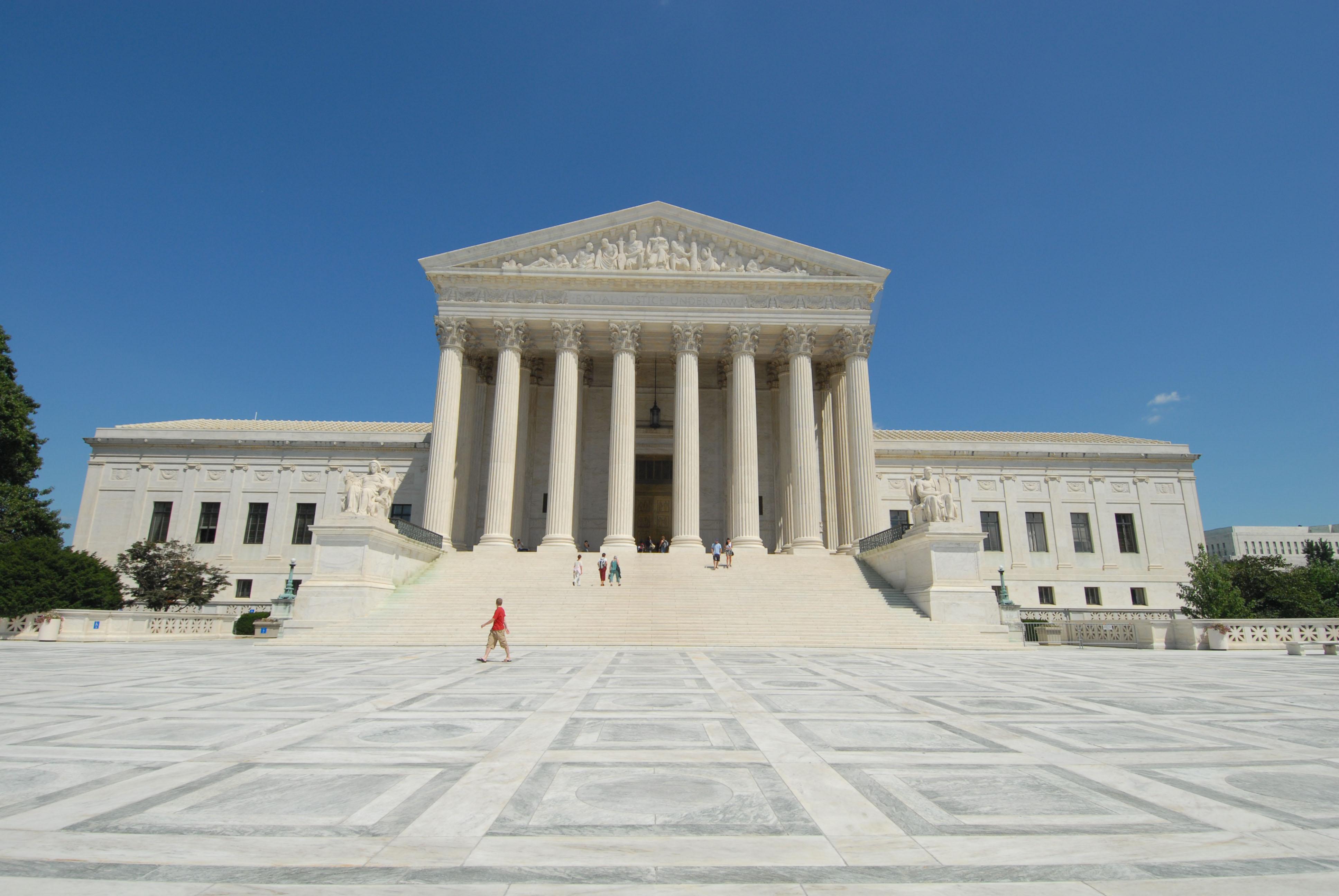
The Supreme Court’s decision not to issue a ruling on January 14, 2026 represents a significant development in one of the most consequential trade policy legal battles in recent U.S. history. The case tests the boundaries of presidential authority in economic matters, specifically whether the International Economic Emergency Power Act can be invoked to implement sweeping global tariffs [4]. Financial markets had been closely monitoring this decision, with many analysts expecting a ruling on this particular opinion day given the scheduling patterns of the Court and the significance of the case.
The legal battle originated from lower court rulings that determined the Trump administration exceeded its constitutional authority in implementing the tariff structure. The administration appealed these decisions to the Supreme Court, setting up a high-stakes confrontation over the balance of power between the executive branch and the judiciary on trade matters. President Trump had publicly warned about the consequences of a ruling against his tariff authority, adding political dimensions to the legal proceedings [1]. Despite the Court’s issuance of other rulings on January 14, the tariffs case was not among them, leaving the policy in legal limbo.
The IEEPA, enacted in 1977, grants the president broad authority to regulate international commerce during national emergencies. However, this case will determine whether tariff implementation falls within the scope of that authority or requires explicit congressional authorization. The outcome will establish significant precedent for future presidential use of emergency economic powers, potentially reshaping the landscape of U.S. trade policy for administrations of both parties [4]. Legal scholars note that the case represents a fundamental constitutional question about the separation of powers in economic policy-making.
The Trump administration has indicated that it has “options ready” regardless of the Supreme Court’s eventual ruling [1]. Reports suggest Congress may consider legislation explicitly authorizing tariffs as an alternative legal framework if the Court rules against the administration’s current implementation strategy. This legislative fallback option demonstrates the administration’s contingency planning and the political importance placed on maintaining the tariff structure regardless of the judicial outcome.
Recent market data indicates relatively flat trading conditions with modest gains accumulated over the preceding sixty days [0]. The anticipation of the Supreme Court ruling had been contributing to market uncertainty, with traders and investors positioning for various potential outcomes. The continued postponement of the decision means this uncertainty will persist, potentially affecting corporate investment decisions and strategic planning across multiple sectors.
Industries with significant import exposure—including retail, manufacturing, technology hardware, and automotive sectors—face particular uncertainty as they await the final resolution. Companies that have adjusted supply chains or pricing strategies based on the current tariff regime must maintain flexibility for potential retroactive changes depending on how the Court ultimately rules. The $150+ billion in trade policy at stake represents a substantial economic consideration that affects everything from consumer prices to corporate profit margins [2].
Prediction market data provides insight into market expectations regarding the case outcome. Currently, these markets assign only a 28-32% probability that the Supreme Court will side with the Trump administration’s interpretation of tariff authority [2][3]. Conversely, the majority of market participants expect the Court to rule against the current tariff implementation, which would require the administration to either seek congressional authorization or modify its approach to trade policy.
This probabilistic assessment suggests that markets have largely priced in a ruling against the administration, which could limit volatility when the decision is finally issued. However, unexpected outcomes—either in the ruling itself or in the scope of the Court’s decision—could generate significant market movements. The prediction market data should be interpreted as indicative rather than definitive, as judicial decisions often incorporate legal reasoning that goes beyond simple binary outcomes.
The Supreme Court’s failure to issue a ruling on January 14 extends a period of policy uncertainty that has affected business planning and investment decisions across multiple sectors. While the delay itself is a neutral procedural matter, the ongoing ambiguity creates practical challenges for companies attempting to make long-term strategic decisions in an uncertain regulatory environment. The Court’s scheduling suggests that the case required additional deliberation, potentially indicating complexity in the legal questions involved or the need to build a coalition among justices with varying perspectives on executive authority.
The Trump administration’s stated readiness to implement alternative strategies regardless of the Supreme Court outcome demonstrates a sophisticated approach to managing legal risk. This preparedness includes potential legislative action to establish explicit congressional authorization for tariff implementation, which would provide a more durable legal foundation than reliance on emergency powers [1]. The existence of these contingency plans reduces the likelihood of a complete policy reversal even if the Supreme Court rules against the current implementation, though the specific form of any alternative approach remains uncertain.
Beyond the immediate tariff policy implications, this case will establish important precedents regarding the scope of presidential authority in economic matters. The Supreme Court’s eventual ruling will clarify the boundaries between executive and legislative power in trade policy, affecting not only the current administration but future presidents of both parties. This constitutional dimension elevates the importance of the decision beyond its immediate economic impact, making it a defining moment in the ongoing debate over executive power in the U.S. system of government [4].
International trading partners and affected nations continue monitoring this case closely, as the outcome will affect global trade flows and economic relationships. Countries subject to the tariffs have maintained their own legal challenges and diplomatic responses, which may be adjusted depending on the Supreme Court’s ruling. The extended uncertainty period affects not only U.S. businesses but also foreign exporters, manufacturers, and governments that have structured their economic planning around the current tariff regime.
The U.S. Supreme Court did not issue a ruling on President Trump’s sweeping global tariffs case on January 14, 2026, contrary to market expectations [1]. The case challenges the president’s authority under the International Economic Emergency Power Act to implement tariffs and remains pending after oral arguments on November 5, 2025. Lower courts had previously ruled that the administration exceeded its authority, with over $150 billion in trade policy at stake [2]. Prediction markets indicate a 68-73% probability that the Court will ultimately rule against the current tariff implementation [2][3]. The Trump administration has indicated contingency plans are in place regardless of the outcome, including potential congressional action to establish explicit legal authorization [1]. The Court’s next scheduled opinion release dates should be monitored for the pending decision. Businesses with significant import exposure should maintain contingency plans for both tariff continuation and potential invalidation scenarios while awaiting the final resolution.
[0] Ginlix Analytical Database - Market Indices Data
[1] Yahoo Finance - “The Supreme Court is not issuing a ruling on Trump’s tariffs on Jan. 14” (YouTube Short), January 14, 2026
[2] MoneyControl - “US Supreme Court tariff decision live updates”, January 14, 2026
[3] SCOTUSblog - “SCOTUStoday for Wednesday, January 14”, January 14, 2026
[4] North Jersey - “What time is Supreme Court tariff ruling today”, January 14, 2026
Insights are generated using AI models and historical data for informational purposes only. They do not constitute investment advice or recommendations. Past performance is not indicative of future results.
About us: Ginlix AI is the AI Investment Copilot powered by real data, bridging advanced AI with professional financial databases to provide verifiable, truth-based answers. Please use the chat box below to ask any financial question.