Prediction Markets Show 24% Odds for Trump Tariff Victory After Supreme Court Arguments
Unlock More Features
Login to access AI-powered analysis, deep research reports and more advanced features
About us: Ginlix AI is the AI Investment Copilot powered by real data, bridging advanced AI with professional financial databases to provide verifiable, truth-based answers. Please use the chat box below to ask any financial question.
This analysis is based on the Fox Business report [1] published on November 12, 2025, which reported that prediction markets show only 24% odds for Supreme Court backing of Trump tariffs following oral arguments.
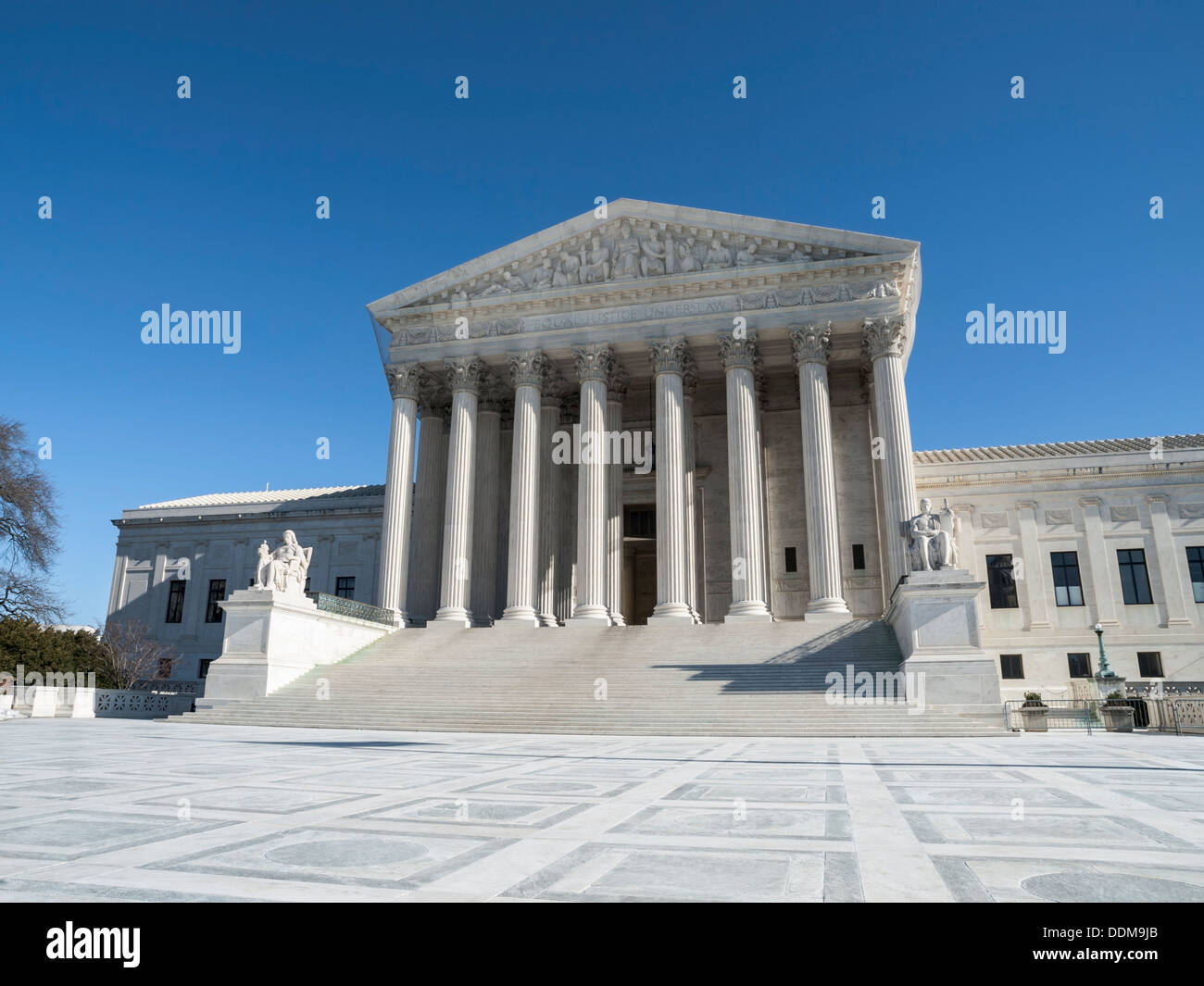
The prediction market sentiment reflects a significant shift in trader expectations after Supreme Court oral arguments on November 5, 2025, where odds dropped by 15-20 points from previous levels [1]. The case, Learning Resources, Inc. v. Trump, challenges Trump’s authority to impose tariffs tied to fentanyl trafficking, illegal immigration, and reciprocal trade measures targeting China, Canada, and Mexico [2]. During nearly three hours of arguments, justices across the ideological spectrum expressed skepticism about whether the International Emergency Economic Powers Act (IEEPA) authorizes sweeping tariffs, a power traditionally reserved for Congress under Article I of the Constitution [1][2].
Market reactions on November 12, 2025, showed mixed performance across major indices, with the Dow Jones gaining 0.50% while the NASDAQ Composite declined 0.67% [0]. Sector performance revealed Communication Services as the strongest performer (+1.38%) and Energy as the weakest (-1.22%) [0], suggesting nuanced market positioning rather than broad-based concern.
The substantial trading volume—over $1 million on Kalshi and $1.1 million on Polymarket [1]—indicates significant market interest in the outcome, with traders positioning based on their interpretation of judicial questioning. Justice Alito notably highlighted constitutional concerns about whether citizens should pay for government policies through executive action rather than congressional legislation [2].
The prediction market odds of 24% represent more than simple betting—they reflect sophisticated market assessment of constitutional separation of powers challenges. The case follows an August 29, 2025, federal appeals court ruling that Trump exceeded his authority by invoking emergency powers for tariffs [1], suggesting a consistent judicial trend toward limiting executive trade authority.
The legal challenge centers on fundamental questions about presidential power and congressional delegation. Trump’s proposal to use tariff revenue for $2,000 checks and debt reduction [1] faces significant legal hurdles if the Court limits executive authority. The Court’s decision could establish precedent for future executive action in economic policy, potentially reshaping the balance of power between branches of government.
The market’s reaction appears more reflective of legal uncertainty than immediate economic concerns, as evidenced by modest market movements despite the high stakes involved [0]. This suggests traders may be viewing the outcome through a constitutional lens rather than purely economic impact.
- Constitutional Challenge: The case represents a fundamental challenge to executive authority that could reshape trade policy for years [2][3]. The Supreme Court’s decision could significantly limit presidential power in economic matters.
- Market Volatility: Different ruling outcomes could trigger significant market reactions, particularly in trade-sensitive sectors [0]. Energy and technology sectors showed particular sensitivity in recent trading.
- Policy Uncertainty: The extended timeline for a ruling creates prolonged uncertainty for businesses engaged in international trade [1]. Companies may face difficulty planning supply chains and pricing strategies.
- International Relations: The Court’s decision could affect U.S. trade relationships and global supply chains [1]. Major trading partners may adjust their strategies based on the outcome.
- Sector Positioning: Communication Services showed strength (+1.38%) [0], suggesting opportunities in sectors less dependent on international trade.
- Legal Clarity: A definitive ruling, regardless of outcome, could provide clarity for businesses currently operating under uncertain trade policy conditions.
- Alternative Policy Development: The administration may develop new trade policy approaches if tariffs are struck down, potentially creating new market opportunities.
The Supreme Court case Learning Resources, Inc. v. Trump challenges Trump’s tariff authority under IEEPA, with prediction markets indicating only 24% probability of success [1]. The case centers on constitutional questions about executive power and congressional authority over trade policy. During oral arguments, justices expressed skepticism about the breadth of presidential tariff authority [2].
Market data shows mixed reactions with the Dow Jones up 0.50% while NASDAQ declined 0.67% [0]. Trading volume exceeding $2.1 million across prediction markets indicates significant market interest in the outcome [1]. The case follows a federal appeals court ruling that Trump exceeded his authority by invoking emergency powers for tariffs [1].
The timing of the Supreme Court decision remains unclear, creating uncertainty for trade policy planning. The outcome could have significant implications for future executive authority in economic policy and U.S. trade relationships with major partners including China, Canada, and Mexico [1][2].
Insights are generated using AI models and historical data for informational purposes only. They do not constitute investment advice or recommendations. Past performance is not indicative of future results.
About us: Ginlix AI is the AI Investment Copilot powered by real data, bridging advanced AI with professional financial databases to provide verifiable, truth-based answers. Please use the chat box below to ask any financial question.