Trump Threatens 100% Tariff on Canada Over China Trade Deal
Unlock More Features
Login to access AI-powered analysis, deep research reports and more advanced features
About us: Ginlix AI is the AI Investment Copilot powered by real data, bridging advanced AI with professional financial databases to provide verifiable, truth-based answers. Please use the chat box below to ask any financial question.
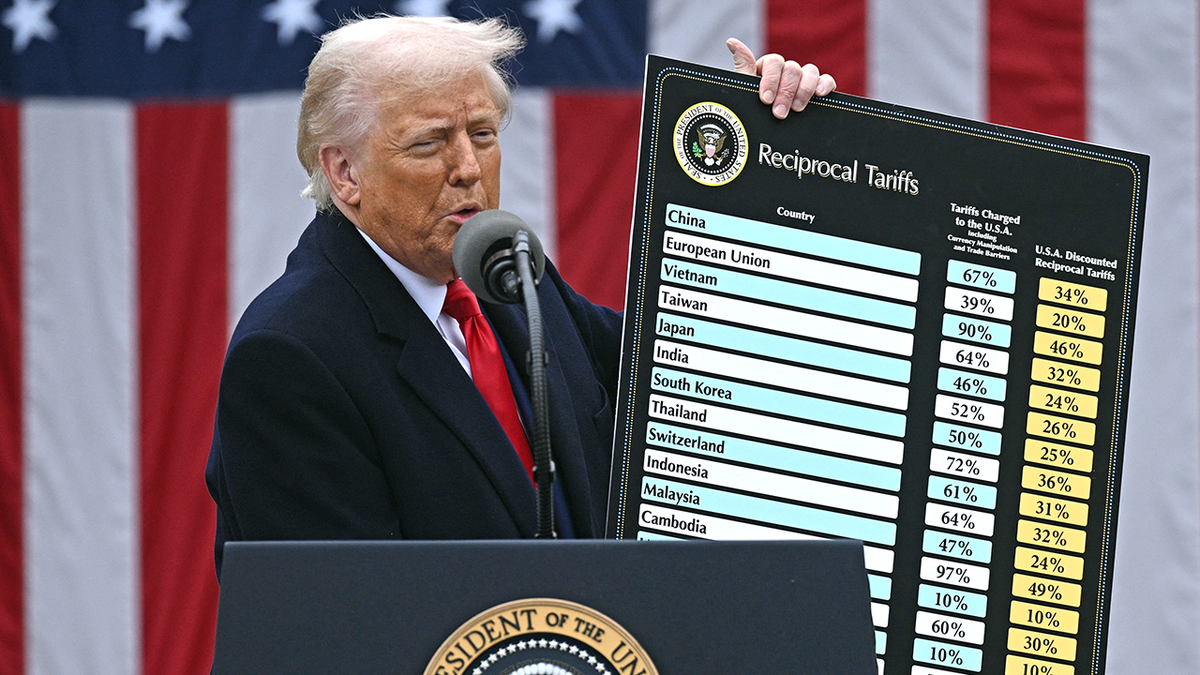
The tariff threat represents a dramatic reversal in U.S. policy toward the Canada-China trade agreement. President Trump had initially praised the preliminary deal signed on January 16, 2026, which included Chinese tariff cuts on Canadian agricultural products and Canadian increases to electric vehicle quotas for Chinese manufacturers [1][2]. The sudden escalation reflects broader U.S. concerns about tariff circumvention and follows a series of trade measures against Canada, including a 35% tariff on Canadian steel, copper, and auto parts imposed in August 2025 [1].
Prime Minister Mark Carney’s government has not issued an immediate formal response to the threat. However, Carney has publicly pushed back against U.S. pressure, asserting that Canada “thrives” as an independent nation and does not exist merely as an extension of the United States [2]. This rhetoric signals potential resistance to what Canada may view as an infringement on its sovereign trade policy decisions.
The immediate market reaction to the announcement was notably muted, with the USD/CAD exchange rate showing only a 0.56% decline to 1.37 at the time of the announcement [3]. Several factors likely contributed to this limited response. The announcement came near market close, preventing full price discovery. Additionally, market participants have grown accustomed to Trump’s tariff threats, with some adopting a “TACO” (Trump Always Chickens Out) mindset—believing the administration may ultimately back down from its most severe threats [4].
However, the potential economic impact of a 100% tariff on all Canadian goods would be catastrophic given the scale of U.S.-Canada trade relations, which exceed $600 billion annually [1]. North American integrated supply chains, particularly in the automotive sector, would face severe disruption within weeks of implementation. Canadian exports to the U.S. include critical materials such as lumber, energy products, steel, copper, and agricultural commodities—inputs that many U.S. manufacturers cannot easily replace with domestic or alternative foreign sources.
The tariff threat occurs within a broader context of deteriorating U.S.-Canada relations, which now encompass multiple disputes beyond trade. The ongoing tension over Greenland and Canada’s criticism of various U.S. policies have contributed to an increasingly strained alliance between the two countries [2]. This multi-front disagreement suggests the trade dispute with Canada may be symptomatic of a fundamental recalibration of the bilateral relationship rather than an isolated policy disagreement.
The threat also places Canada in a difficult diplomatic position, potentially forcing the country to choose between its two largest trading partners—the United States and China. The Canada-China preliminary agreement, which represented a significant diplomatic achievement for the Carney government, now faces direct existential threat from U.S. policy.
This incident demonstrates a pattern of aggressive U.S. trade policy implementation that has characterized the current administration. The escalation from zero tariffs to a potential 100% tariff represents an unprecedented threat against a close ally and major trading partner. Such measures, if implemented, would likely violate obligations under the United States-Mexico-Canada Agreement (USMCA), raising questions about the future of North American trade frameworks.
Prime Minister Carney’s public statements about Canada “thriving” as an independent nation signal a potential shift in Canada’s approach to U.S. pressure. Historically, Canada has often accommodated U.S. trade demands to maintain the critical bilateral relationship. The current confrontation suggests Canada may be prepared to assert more independent trade policy, even at significant economic risk.
The tariff threat appears designed to prevent China from using Canada as an alternative pathway to the U.S. market. Trump has explicitly alleged that China would attempt to route goods through Canada to avoid existing U.S. tariffs [1][2]. This concern reflects broader U.S. strategy to close loopholes in tariff enforcement and prevent trade diversion.
The most significant immediate risk involves the potential disruption to integrated North American supply chains. The automotive sector faces particular vulnerability given the just-in-time manufacturing models that rely on seamless cross-border component flows. A 100% tariff would make Canadian auto parts prohibitively expensive for U.S. manufacturers, potentially shutting Canadian suppliers out of the market entirely.
Canadian businesses and exporters face substantial uncertainty regarding their U.S. market access. Companies with significant exposure to U.S. customers should prepare contingency plans, including identifying alternative markets and evaluating domestic production possibilities for goods currently exported southward.
The risk of trade retaliation represents another dimension of concern. If Canada faces a 100% tariff, it would likely implement countermeasures against U.S. goods, creating a destructive trade war that could damage both economies while providing no apparent benefit to either party.
Despite the tensions, the situation may present opportunities for diplomatic resolution. The “TACO” factor—market skepticism about whether Trump will follow through on tariff threats—suggests the administration may ultimately seek a negotiated solution rather than implementation of the full 100% tariff [4].
Canada may also use this confrontation to diversify its trade relationships, potentially accelerating agreements with China, the European Union, or Asian markets to reduce dependence on U.S. trade. This diversification, while costly to implement, could provide long-term strategic benefits by reducing vulnerability to future U.S. pressure.
The January 24, 2026 announcement by President Trump threatening 100% tariffs on all Canadian goods if Canada proceeds with its China trade deal represents a significant escalation in U.S.-Canada trade tensions. The threat follows Canada’s January 16 preliminary agreement with China and builds on existing tariffs of 35% on Canadian steel, copper, and auto parts imposed in August 2025 [1][2].
Market reaction was limited at announcement time, with USD/CAD declining only 0.56% to 1.37, though full market impact remained to be assessed given the timing near market close [3]. Prime Minister Carney’s government had not issued an official response at the time of reporting, though Carney has previously affirmed Canada’s independence from U.S. control [2].
The potential implementation of a 100% tariff would have severe consequences for the $600+ billion annual U.S.-Canada trade relationship, disrupting integrated North American supply chains and potentially violating USMCA obligations. The situation remains fluid, with significant uncertainty about whether the Trump administration will follow through on the threat or ultimately seek negotiated resolution.
Insights are generated using AI models and historical data for informational purposes only. They do not constitute investment advice or recommendations. Past performance is not indicative of future results.
About us: Ginlix AI is the AI Investment Copilot powered by real data, bridging advanced AI with professional financial databases to provide verifiable, truth-based answers. Please use the chat box below to ask any financial question.