Traders Defensively Positioned As Equities Retrace From Record Highs - Gold Shatters $5,000/oz Threshold Amid US-Greenland Geopolitical Tensions
Unlock More Features
Login to access AI-powered analysis, deep research reports and more advanced features
About us: Ginlix AI is the AI Investment Copilot powered by real data, bridging advanced AI with professional financial databases to provide verifiable, truth-based answers. Please use the chat box below to ask any financial question.
Related Stocks
On January 26, 2026, Seeking Alpha reported that traders were defensively positioning as equities retraced from record highs, with the primary catalyst being US demands for Greenland and its associated economic implications [1]. This geopolitical development triggered significant market volatility across major asset classes, with gold volatility leading the advance as the precious metal shattered the $5,000 per ounce threshold and surged to unprecedented highs.
The week of January 20-26, 2026, represented a pivotal moment in financial markets, combining historic commodity price milestones with complex geopolitical maneuvering that tested investor confidence and risk appetite. The market’s reaction to these developments revealed important insights into safe-haven dynamics, sector rotation patterns, and the evolving nature of geopolitical risk pricing in modern financial markets.
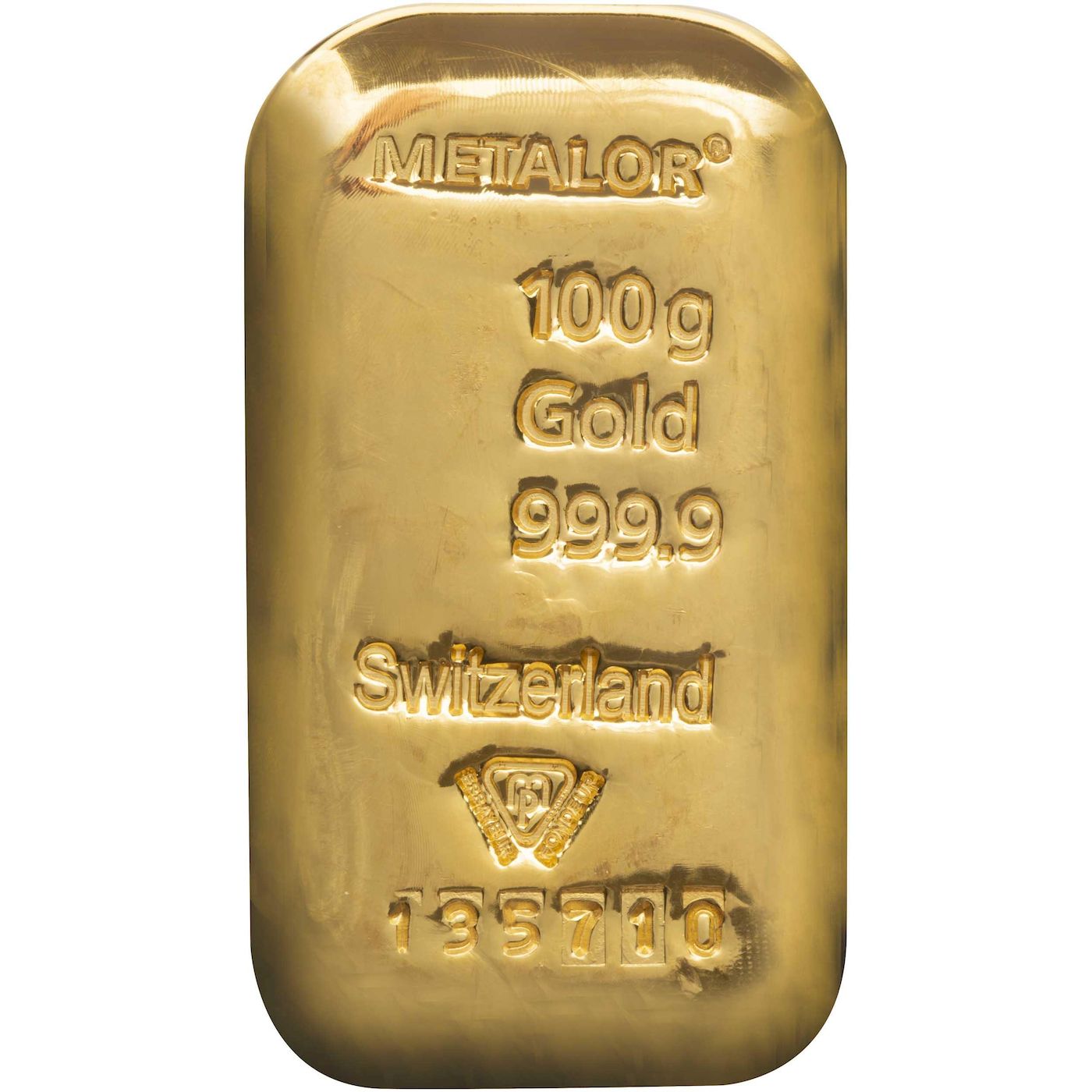
Gold prices achieved a historic breakthrough on January 26, 2026, trading above $5,000 per ounce for the first time in the precious metal’s recorded history [2]. This milestone represents not merely a psychological barrier but a fundamental shift in how markets value safe-haven assets amid unprecedented geopolitical and macroeconomic conditions. The spot gold price reached $5,024.95 per ounce, representing a 0.85% daily gain, while US gold futures for February delivery climbed to $5,024.60 per ounce, up 0.91% [3]. Real-time futures contracts (GC=F) traded at $5,073.50, reflecting a 1.88% premium that signaled continued buying pressure in after-hours trading.
The intraday high of $5,110.50 per ounce demonstrated the explosive nature of this rally, though prices retreated slightly from these levels as the trading session progressed. The 52-week range of $2,737.40 to $5,107.90 underscores the extraordinary appreciation in gold prices over the past year, with the precious metal gaining approximately 14.5% year-to-date in 2026 following a remarkable 64% gain in 2025 [3]. This two-year performance trajectory places gold among the best-performing major asset classes globally and fundamentally alters investment thesis frameworks for commodities-focused market participants.
The Greenland-related geopolitical tensions triggered significant equity market volatility during the week of January 20-26, 2026, with major indices experiencing pronounced sell-offs before embarking on a recovery trajectory [4]. The January 20 sell-off represented Wall Street’s worst single-day decline since October 2025, with the S&P 500 falling nearly 2.1%, the Nasdaq dropping nearly 2.4%, and the Dow Jones declining nearly 1.8%. This synchronized decline across major indices reflected the broad-based nature of investor concern regarding potential escalation of US-European tensions and their implications for global economic growth.
The recovery pattern observed through January 26 demonstrated notable resilience in US equity markets, with the S&P 500 recovering to +0.50% at 6,957.64, the Nasdaq advancing +0.54% to 23,656.34, and the Dow Jones gaining +0.49% to 49,380.76. However, the Russell 2000 index of small-capitalization stocks showed more persistent weakness, remaining -0.36% lower at 2,661.81 as of January 26, reflecting the disproportionate impact of geopolitical uncertainty on domestically-focused small businesses and economically sensitive small-cap equities.
The equity market’s recovery trajectory was supported by several factors, including President Trump’s subsequent ruling out of military intervention in favor of diplomatic engagement, the announcement of the “Board of Peace” initiative providing a framework for negotiated outcomes, and the fundamental strength of US corporate earnings and economic data that suggested the geopolitical tensions had not yet materially impacted underlying business conditions.
The VIX volatility index provided crucial insights into market participants’ risk assessment and expectations for future market turbulence [5]. The current VIX level of $15.96, positioned below both the 20-day moving average of $15.54 and notably beneath the 200-day moving average of $18.13, suggests that the market has largely digested the Greenland-related volatility that characterized the previous week. This positioning indicates that while implied volatility across asset classes remains elevated compared to historical baselines, the acute panic phase triggered by the initial geopolitical announcements has subsided.
The 50-day moving average of $16.93 and the 200-day moving average of $18.13 establish important technical reference points for assessing the sustainability of current calm. The VIX trading below its longer-term moving averages typically indicates a market environment where volatility is expected to remain contained, though the historical period high of $60.13 reminds market participants that volatility can spike dramatically in response to unexpected geopolitical developments.
The sector performance data for January 26 revealed a nuanced picture of risk appetite and defensive positioning that partially contradicted traditional safe-haven trading patterns [5]. Technology (+1.32%), Healthcare (+1.24%), and Real Estate (+1.08%) led daily gains, sectors that typically benefit from continued economic expansion and lower interest rate expectations rather than pure safe-haven flows. This performance pattern suggests that investors were differentiating between immediate geopolitical risk and longer-term economic fundamentals, with confidence in corporate earnings growth and Federal Reserve policy accommodation supporting risk asset valuations.
The underperformance of defensive sectors provided particularly important signals about the market’s assessment of the Greenland situation’s severity. The Consumer Defensive sector, traditionally a safe-haven destination during periods of uncertainty, posted the worst daily performance at -0.68%, while Utilities (-0.28%) and Industrials (-0.13%) also declined. This rotation out of traditionally defensive sectors and into growth-oriented sectors indicates that market participants viewed the geopolitical tensions as unlikely to fundamentally alter the economic trajectory or corporate earnings outlook, rather than reflecting pure risk aversion.
The US-Greenland situation has introduced a novel form of geopolitical risk to financial markets that differs qualitatively from traditional geopolitical tensions involving established nation-states and military conflicts. President Trump’s demands for Greenland, coupled with tariff threats of 10% on goods from Denmark, Finland, France, Germany, Netherlands, Norway, Sweden, and the UK—escalating to 25% from June 1—created a complex risk calculus that combined territorial ambitions, trade policy leverage, and alliance restructuring considerations [6].
The “Board of Peace” initiative, described as a “total-access” framework with NATO allowing US military expansion at no cost, represented an attempt to reframe the Greenland demand within a security cooperation framework rather than a hostile acquisition. This diplomatic repositioning, combined with President Trump’s subsequent ruling out of military intervention, contributed to the market recovery observed through January 26. However, the underlying territorial demand remains unresolved, creating persistent uncertainty that may continue to influence market volatility and safe-haven demand dynamics.
The unprecedented gold rally reflects the convergence of multiple fundamental drivers that collectively create a compelling case for continued precious metal appreciation [2][3]. Safe-haven demand represents the most immediate driver, as investors seek portfolio protection against geopolitical uncertainty and potential disruption to US-European trade relationships. The unprecedented nature of a NATO ally facing territorial demands from the alliance’s primary security guarantor has created risk scenarios that portfolio hedging strategies must now incorporate.
Federal Reserve monetary policy expectations provide additional support for gold prices, with labor market softness potentially prompting rate cuts as early as Q1 2026. Lower interest rates reduce the opportunity cost of holding non-yielding assets like gold, making the precious metal more attractive relative to fixed-income investments. The market’s expectation of accommodative Fed policy aligns with historical patterns where gold performs strongly during periods of monetary easing and declining real yields.
Central bank purchasing represents a structural support mechanism for gold prices, with China’s reported 14th consecutive month of gold buying demonstrating official sector commitment to precious metal diversification [7]. Global central bank gold purchases are forecast to reach approximately 950 tonnes for 2026, providing consistent demand support that absorbs mine supply and investment inflows. This official sector buying creates a floor under gold prices and contributes to the persistent premium that has characterized the market throughout 2025 and into 2026.
Currency dynamics amplifies gold’s appeal for non-US holders, as the US dollar fell 0.8% against major currencies during peak Greenland-related tensions [4]. A weaker dollar makes gold cheaper for holders of other currencies, expanding the global investor base for precious metal investments and contributing to the record-high price discovery observed on January 26.
The analyst community maintains constructive but measured outlooks for gold prices, with price targets suggesting continued appreciation potential alongside recognition of short-term correction risks [7]. Ross Norman of Metals Focus identifies a potential high-case scenario of $6,400 per ounce with an average target of $5,375, representing meaningful upside from current levels while acknowledging the speculative nature of extreme price targets. Philip Newman of Metals Focus projects a peak of approximately $5,500 later in 2026, reflecting a more moderate appreciation expectation.
UBS Global Wealth Management’s Chief Investment Office provides a structured outlook with a base case of $5,000 and an upside scenario of $5,400, positioning gold within a diversified portfolio context rather than as a standalone speculative position. The UBS framework emphasizes a mid-single-digit allocation to gold within diversified USD portfolios as appropriate given the macroeconomic backdrop, acknowledging both the portfolio diversification benefits and the allocation sizing considerations that prudent investment management requires.
The unresolved nature of the US-Greenland situation represents the most significant near-term risk to current market equilibrium. While diplomatic engagement has replaced military intervention rhetoric, the fundamental territorial demand remains on the negotiating table, creating persistent uncertainty that could reignite market volatility at any point through unexpected announcements or diplomatic developments. Market participants should monitor communications from both US and European officials for signals regarding the trajectory of negotiations and potential escalation or resolution pathways.
Currency volatility, particularly US dollar weakness against major currencies, introduces complexity to traditional safe-haven dynamics. The 0.8% decline in the dollar during peak tensions created a virtuous cycle for gold prices as non-US investors found the dollar-denominated precious metal increasingly attractive [4]. However, dollar movements introduce two-way risk, as reversal of recent weakness could moderate gold’s appeal for international investors and create headwinds for continued price appreciation.
Technical overextension indicators in gold warrant attention, as the 64% appreciation in 2025 and continued gains into 2026 have created elevated readings on momentum indicators that historically correlate with short-term corrections. While fundamental drivers remain supportive, the probability of meaningful pullbacks increases as prices deviate further from trend-normalized levels, and portfolio positioning should account for potential volatility.
The current market environment creates several opportunity windows for strategic positioning across asset classes. Gold’s historic breakout above $5,000 per ounce establishes a new technical and psychological base level that may attract continued institutional and retail interest, potentially creating self-reinforcing buying dynamics as trend-following strategies and portfolio rebalancing algorithms trigger additional purchases.
The equity market’s recovery trajectory suggests that traders who identified the January 20 decline as an overreaction to geopolitical headlines were positioned advantageously, with the S&P 500 and NASDAQ returning to positive territory for the week. This recovery pattern supports a framework of differentiated assessment between immediate market reactions and fundamental valuations, with opportunities existing for investors who can distinguish between headline-driven volatility and material changes to corporate earnings outlooks.
Sector rotation patterns reveal opportunities in segments that have been oversold relative to the actual economic impact of the Greenland situation. The underperformance of Consumer Defensive and Utilities sectors despite their traditional safe-haven status suggests mispricing that may correct as market participants refine their assessment of the geopolitical situation’s business implications.
Effective risk management in the current environment requires monitoring several key indicators across multiple dimensions. Geopolitical risk indicators include US-EU relationship dynamics, NATO cohesion assessments, and any further tariff announcements that could escalate trade tensions beyond current levels. Federal Reserve policy indicators, including FOMC statements and incoming economic data, will influence interest rate expectations that directly impact gold valuations and growth sector attractiveness.
Technical indicators for gold, including relative strength indicators and momentum readings, will help identify potential overextension and correction opportunities. The VIX level serves as a broad market risk sentiment indicator, with sustained rises above 18 potentially signaling renewed market stress. The Dollar Index performance, particularly breaks below 103.50, would signal dollar weakness that typically supports gold prices.
The market events of January 20-26, 2026, represent a confluence of historic commodity price milestones and novel geopolitical developments that collectively reshaped short-term market dynamics while revealing important insights about investor risk assessment frameworks. Gold’s breakthrough above $5,000 per ounce, driven by safe-haven demand, central bank buying, and Federal Reserve policy expectations, establishes new valuation benchmarks that will influence commodity market positioning and portfolio allocation strategies.
The equity market’s initial reaction to US-Greenland tensions, followed by substantial recovery, demonstrates the importance of distinguishing between headline-driven volatility and fundamental business condition changes. The January 20 sell-off created temporary dislocations that were substantially corrected by January 26, with sector rotation patterns revealing nuanced investor assessments rather than simple risk-on/risk-off responses.
The defensive positioning noted in the Seeking Alpha report manifests primarily through elevated implied volatilities across asset classes and elevated gold positioning rather than through broad-based rotation into traditionally defensive sectors. This differentiated response pattern suggests sophisticated market participant assessment of the Greenland situation’s likely economic impact and duration, supporting continued confidence in domestic growth and corporate earnings trajectories.
Analyst price targets suggesting gold could reach $5,500-$6,400 per ounce in 2026 reflect constructive fundamental outlooks tempered by recognition of short-term correction risks. The UBS framework of mid-single-digit gold allocations within diversified portfolios provides a prudent sizing framework that captures portfolio diversification benefits while avoiding concentration risk in an asset class that has appreciated dramatically.
The primary risks to current market equilibrium include potential escalation of US-European tensions beyond current levels, unexpected Federal Reserve policy shifts that could alter interest rate expectations, and technical corrections in gold prices following historic appreciation. Monitoring frameworks should incorporate geopolitical developments, Fed communications, technical indicators, and currency dynamics to effectively navigate the current market environment.
Insights are generated using AI models and historical data for informational purposes only. They do not constitute investment advice or recommendations. Past performance is not indicative of future results.
About us: Ginlix AI is the AI Investment Copilot powered by real data, bridging advanced AI with professional financial databases to provide verifiable, truth-based answers. Please use the chat box below to ask any financial question.