India's Petroleum Minister Expresses Optimism on EU-India Trade Deal; US-India Negotiations at Advanced Stage
Unlock More Features
Login to access AI-powered analysis, deep research reports and more advanced features
About us: Ginlix AI is the AI Investment Copilot powered by real data, bridging advanced AI with professional financial databases to provide verifiable, truth-based answers. Please use the chat box below to ask any financial question.
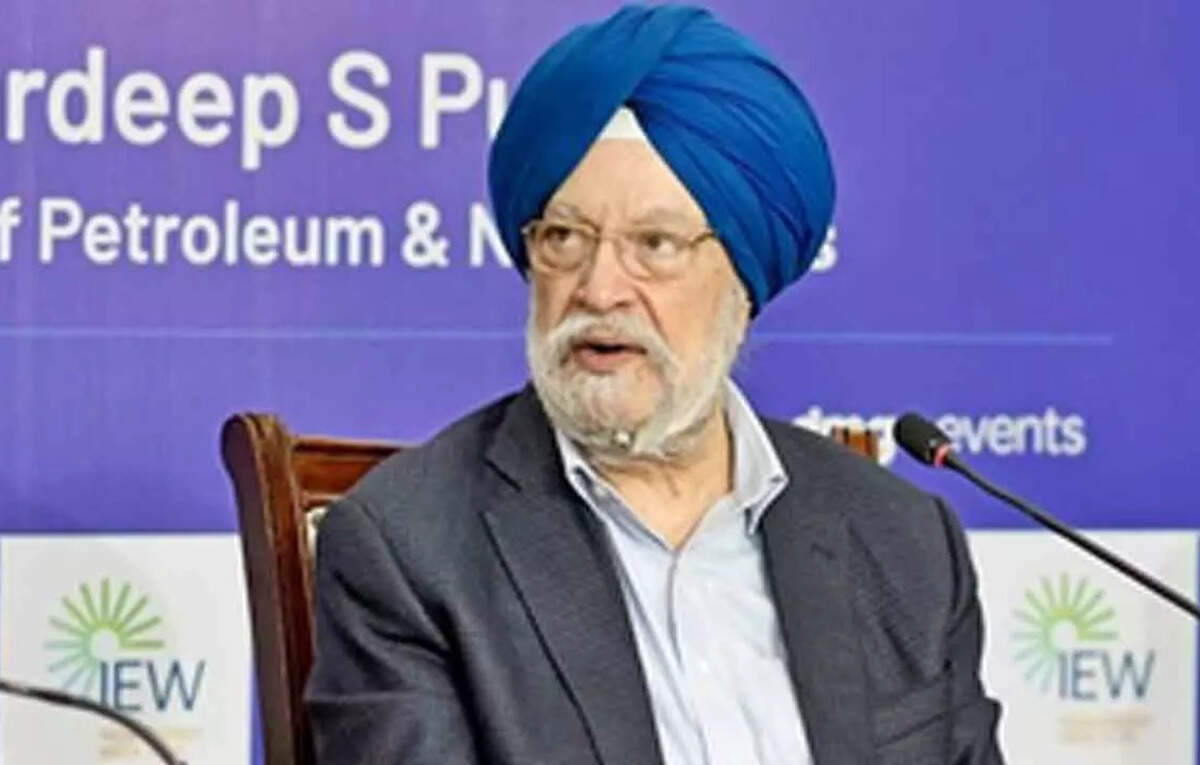
This analysis is based on the CNBC interview with India’s Petroleum Minister Hardeep Singh Puri conducted on the sidelines of India Energy Week 2026 in Goa, published on January 27, 2026 [1][2]. The interview represents a significant diplomatic moment as India simultaneously advances trade relationships with both the European Union and the United States, despite the complex geopolitical landscape created by divergent tariff policies and India’s continued energy ties with Russia.
The EU-India free trade agreement, described by diplomatic sources as the “Mother of All Deals,” represents a substantial achievement in bilateral economic relations [3]. Prime Minister Narendra Modi positioned the agreement as a “global game-changer” during his remarks at India Energy Week 2026, signaling the strategic importance India attaches to this partnership [4]. The agreement, announced at Tuesday’s summit, is expected to gradually reduce tariffs on mutual imports between India and the 27-member European bloc, potentially reshaping trade flows across multiple sectors including energy, manufacturing, and agricultural products.
The timing of this announcement carries particular significance given the broader global trade environment. While the United States has imposed 25% tariffs on EU exports, the European Union has moved forward with the India agreement, creating an interesting dynamic in transatlantic economic relations. Treasury Secretary Scott Bessent publicly criticized the EU for advancing the India deal while negotiations with the United States remain ongoing, highlighting the diplomatic sensitivities involved [2].
Minister Puri’s comments regarding US-India trade negotiations provide valuable insight into the current state of bilateral discussions. His characterization of the negotiations as being at a “very advanced stage” suggests substantial progress has been made, though he explicitly cautioned against timeline speculation, stating: “I don’t know when trade deals will get signed… I think one needs to chill a bit” [2]. This measured approach reflects the complexity of trade negotiations and the numerous variables that can affect final agreement timelines.
The primary obstacle to US-India trade normalization remains the 50% tariff currently imposed on Indian imports to the United States. This tariff is directly linked to India’s continued purchases of Russian oil, which the US administration has viewed unfavorably amid broader sanctions regimes and geopolitical tensions related to the Ukraine conflict [2]. India has maintained its position on energy security, prioritizing affordable petroleum imports over alignment with Western sanctions on Russian energy exports.
The simultaneous advancement of EU and US trade negotiations with India reflects New Delhi’s strategic approach to diversifying its economic partnerships. India has positioned itself as a proponent of the multilateral trading system while selectively engaging in bilateral agreements that serve its economic interests [2]. This approach allows India to leverage competition between major trading partners while maintaining flexibility in its foreign policy decisions.
The EU’s willingness to sign a comprehensive trade agreement with India while the US maintains significant tariffs on EU exports creates an unusual diplomatic situation. European officials appear to have calculated that the strategic benefits of deeper India engagement outweigh potential friction with Washington, particularly given the EU’s own interests in diversifying supply chains and reducing economic dependence on any single partner.
India’s continued Russian oil purchases represent a persistent source of tension in its relationship with the United States, regardless of progress on trade negotiations. This structural friction reflects deeper strategic divergences between India and the US on geopolitical priorities, with India prioritizing its energy security and cost considerations over alignment with US-led sanctions regimes. The 50% tariff on Indian goods effectively functions as a lever for US pressure on India’s energy policy choices, creating a complex negotiation dynamic that extends beyond traditional trade issues [2].
The EU’s decision to announce the India trade deal while US-India negotiations remain in progress raises questions about diplomatic coordination and strategic signaling. Treasury Secretary Bessent’s criticism suggests the timing created friction in US-EU economic relations, potentially complicating ongoing discussions between Washington and Brussels on tariff matters [2]. For India, this situation demonstrates its ability to advance multiple parallel negotiations, though it also risks creating perception of playing partners against each other.
The modest market reaction—S&P 500 gaining 0.18% and Nasdaq advancing 0.35% while Dow Jones declined 0.20%—suggests investors are treating these developments as incremental rather than transformative [0]. This muted response likely reflects uncertainty about implementation timelines, the actual economic benefits that will materialize from these agreements, and the unresolved tariff issues that continue to complicate the US-India relationship.
The EU-India free trade agreement announced at India Energy Week 2026 represents a significant milestone in bilateral economic relations, with the potential to gradually reduce tariffs and increase trade flows between India and the European Union. US-India trade negotiations remain at an advanced stage according to Minister Puri, though no firm signing timeline has been established. The 50% US tariff on Indian imports, linked to India’s Russian oil purchases, continues to create structural friction in US-India relations. Treasury Secretary Scott Bessent criticized the EU’s timing in announcing the India deal while US-India negotiations continue, highlighting diplomatic sensitivities. Markets showed modest positive reaction to the news, suggesting investors view these developments as incremental progress pending concrete implementation details. PM Modi positioned the EU agreement as a “global game-changer,” reflecting India’s strategic ambitions in the evolving global trade architecture.
Insights are generated using AI models and historical data for informational purposes only. They do not constitute investment advice or recommendations. Past performance is not indicative of future results.
About us: Ginlix AI is the AI Investment Copilot powered by real data, bridging advanced AI with professional financial databases to provide verifiable, truth-based answers. Please use the chat box below to ask any financial question.