Trump Extends Dollar Slump — White House Currency Policy Shift Triggers Market Turmoil
Unlock More Features
Login to access AI-powered analysis, deep research reports and more advanced features
About us: Ginlix AI is the AI Investment Copilot powered by real data, bridging advanced AI with professional financial databases to provide verifiable, truth-based answers. Please use the chat box below to ask any financial question.
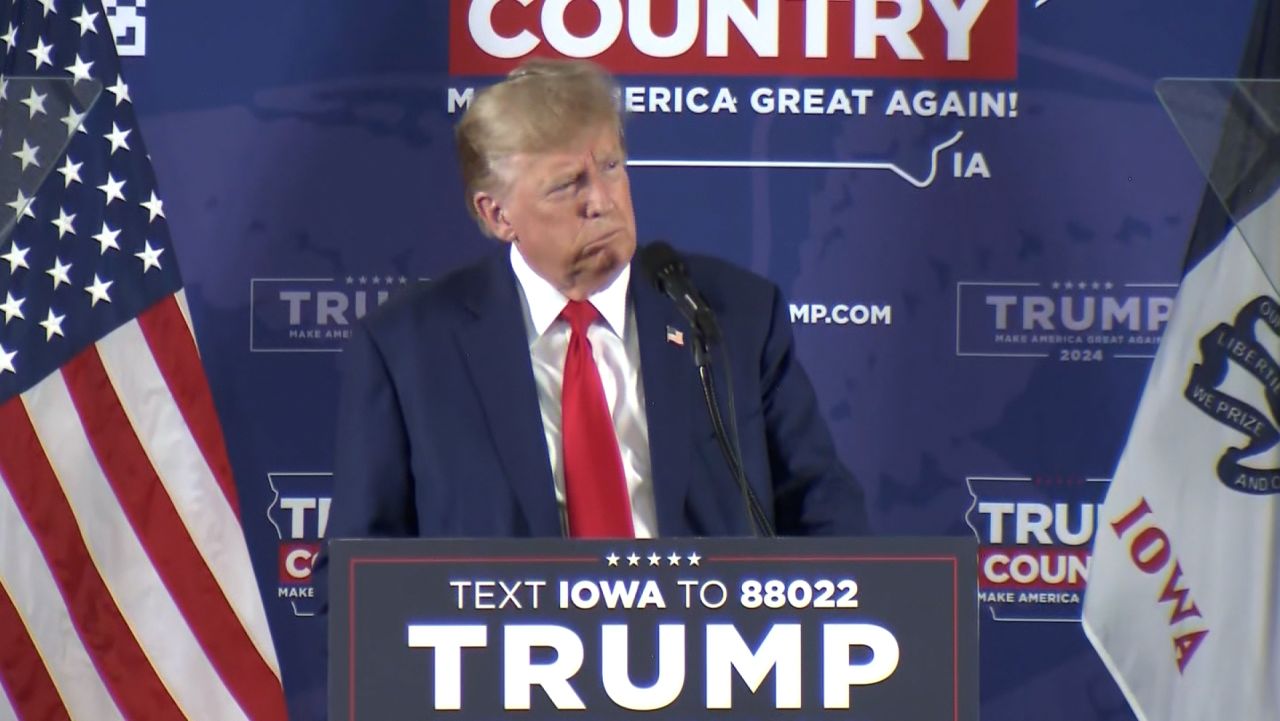
President Trump’s explicit endorsement of dollar weakness represents a significant departure from traditional U.S. currency policy, traditionally characterized by supporting a strong dollar as a pillar of American economic power. The remarks, made during remarks in Iowa on January 27, 2026, sent shockwaves through global currency markets, accelerating an already established downward trend in the dollar index [1][2].
The immediate market reaction was pronounced and swift. The dollar index (DXY) tumbled to approximately 95.57, marking the lowest level since February 2022 and establishing a near four-year low [1]. Major currency pairs experienced significant movements, with sterling surging 1.2% to $1.3867—its highest level since September 2021—while the yen strengthened to 152.60 per dollar, sparking speculation about potential Japan-U.S. coordination on currency matters [1][3]. The euro’s appreciation prompted a warning from the European Central Bank that it may need to react to further currency strength, signaling potential international tensions over exchange rate policies [2].
The dollar’s decline is not an isolated phenomenon but rather the continuation of a broader trend that has accelerated under the current administration. According to market data [0][1], the dollar has fallen more than 9% in 2025, with an additional 2.1% decline recorded year-to-date in 2026. This sustained depreciation reflects both policy signaling and fundamental economic factors including fiscal concerns, interest rate differentials, and capital flow dynamics.
Gold’s remarkable ascent to records above $5,300 per ounce underscores the profound shift in global currency dynamics and investor sentiment [2]. As the traditional safe-haven asset and inverse correlate to dollar strength, gold’s performance serves as a barometer of currency market stress and diversification trends among central banks and institutional investors. The precious metal’s surge reflects concerns about dollar purchasing power and potential inflationary pressures stemming from currency depreciation.
Wall Street’s equity markets responded positively to the dollar weakness, with stocks rallying on the premise that a weaker currency enhances the international competitiveness of U.S. corporations and boosts translated foreign earnings for multinational enterprises [2]. This market reaction illustrates the complex and multifaceted implications of currency movements across different asset classes and economic sectors.
The ECB’s warning about potential reactions to euro appreciation highlights the delicate international balance that underlies global currency markets [2]. As the world’s primary reserve currency, the dollar’s depreciation carries implications far beyond U.S. borders, affecting trade competitiveness, capital flows, and monetary policy autonomy for trading partners worldwide. The potential for currency tensions to escalate into broader trade disputes represents a significant risk factor for global economic stability.
The apparent coordination between tariff policy and dollar weakness suggests a comprehensive trade strategy aimed at improving U.S. export competitiveness through multiple policy levers. However, this approach carries inherent risks, including the potential for retaliatory measures, currency manipulation accusations through international forums, and the destabilization of established trade relationships [2][3].
Trump’s remarks have intensified speculation about potential administration pressure on the Federal Reserve and expectations for more aggressive monetary policy easing [1][2]. The interaction between fiscal policy, trade policy, and monetary policy has become increasingly complex, with implications for inflation expectations, interest rate trajectories, and overall economic policy coherence.
The dollar’s decline coincides with concerning domestic economic indicators, notably U.S. consumer confidence falling to an 11.5-year low [3]. This juxtaposition of currency weakness with deteriorating consumer sentiment raises questions about the distributional effects of dollar depreciation across different economic segments. While exporters and multinational corporations may benefit from improved competitiveness, import-dependent businesses and consumers face higher costs for foreign goods and services.
The risk of imported inflation reigniting represents a significant concern for domestic price stability, potentially complicating Federal Reserve policy decisions and creating tensions between the administration’s trade objectives and monetary policy independence [2].
The dollar index (DXY) declined to approximately 95.57, representing the lowest level since February 2022 and establishing a near four-year low amid explicit White House endorsement of currency depreciation [1][2]. The dollar has declined more than 9% in 2025 with an additional 2.1% year-to-date decline in 2026, reflecting sustained downward pressure and policy alignment with currency weakness [1]. Sterling reached $1.3867, its highest level since September 2021, while the yen strengthened to 152.60 per dollar, with speculation about potential Japan-U.S. coordination on yen movements [1][3]. Gold surged to records above $5,300 per ounce, reflecting institutional concerns about currency purchasing power and diversification trends [2]. The ECB warned it may need to react to euro appreciation, signaling potential international currency tensions [2]. Consumer confidence fell to an 11.5-year low, highlighting domestic economic concerns alongside currency movements [3]. Wall Street equities rallied on expectations of improved overseas earnings competitiveness for U.S. corporations [2].
Key monitoring priorities include Federal Reserve responses and policy announcements, Treasury Secretary Scott Bessent’s stance on potential foreign exchange intervention, international central bank reactions particularly from the ECB and Bank of Japan, and technical support levels for the dollar index [1][2]. Market participants should assess currency risk exposure, review hedging strategies for import-dependent businesses, and monitor the evolution of policy coordination between trade tariffs and currency depreciation.
[“currency_markets”, “dollar_weakness”, “usd_analysis”, “federal_reserve”, “trade_policy”, “white_house_policy”, “fx_markets”, “gold_prices”, “international_trade”, “macroeconomic_policy”]
| Index | Source | URL | Date | Title |
|---|---|---|---|---|
| 0 | Ginlix Analytical Database | internal | null | Quantitative Market Data and Technical Indicators |
| 1 | CNBC | https://www.cnbc.com/2026/01/28/dollar-crumbles-after-trump-remarks-euro-yen-sterling-surge.html | 2026-01-28 | Dollar Crumbles After Trump Remarks |
| 2 | Reuters | https://www.reuters.com/business/finance/global-markets-view-usa-2026-01-28/ | 2026-01-28 | Making a Weak Dollar “Great” Again |
| 3 | Nasdaq | https://www.nasdaq.com/articles/dollar-sinks-us-fiscal-and-political-risks | 2026-01-28 | Dollar Sinks on US Fiscal and Political Risks |
Insights are generated using AI models and historical data for informational purposes only. They do not constitute investment advice or recommendations. Past performance is not indicative of future results.
About us: Ginlix AI is the AI Investment Copilot powered by real data, bridging advanced AI with professional financial databases to provide verifiable, truth-based answers. Please use the chat box below to ask any financial question.