Federal Reserve Leadership Uncertainty: Market Nervousness Ahead of FOMC Decision and Powell Succession
Unlock More Features
Login to access AI-powered analysis, deep research reports and more advanced features
About us: Ginlix AI is the AI Investment Copilot powered by real data, bridging advanced AI with professional financial databases to provide verifiable, truth-based answers. Please use the chat box below to ask any financial question.
This analysis is based on the Danielle DiMartino Booth interview on NYSE [1], published January 28, 2026, which reported growing market anxiety ahead of the Federal Reserve’s interest rate decision and the anticipated announcement of Jerome Powell’s replacement as Fed Chair. The timing of this event is particularly significant, as Powell’s term expires in May 2026, and the Trump administration has indicated it may announce its nominee imminently, potentially coinciding with today’s FOMC proceedings.
The interview takes place amid an extraordinary set of circumstances that have rarely, if ever, characterized a Federal Reserve leadership transition. The combination of a DOJ subpoena issued to Powell regarding the Fed’s headquarters renovation, heightened political pressure on the central bank’s independence, and market uncertainty about future monetary policy direction has created what DiMartino Booth characterizes as a period of legitimate nervousness among investors and market participants [1][2].
The Trump administration has narrowed its search for Powell’s replacement to a select group of candidates, with Christopher Waller emerging as a prominent contender. Waller, who was appointed to the Federal Reserve Board by President Trump in 2019, has accumulated significant support within the financial community. According to Fortune survey data, Waller commands approximately 81% support among chief executives, positioning him as the preferred choice among the business community [3]. This technocratic credibility stands in contrast to some alternative candidates who may be viewed as more politically aligned with the administration.
Other notable candidates under consideration include Kevin Hassett, currently serving as Director of the National Economic Council, Kevin Warsh, a former Federal Reserve Board member with established relationships on Wall Street, and Rick Rieder, BlackRock’s Chief Investment Officer of Global Fixed Income [3]. Each candidate carries distinct policy implications that the market is actively attempting to price into current valuations.
The succession process has been complicated by unprecedented external factors. Former Treasury Secretary Janet Yellen has publicly characterized the DOJ investigation into Powell as “extremely chilling” for central bank independence, highlighting the broader institutional concerns surrounding this transition [2]. The subpoena related to the Fed’s headquarters renovation represents an extraordinary scrutiny of a sitting Federal Reserve Chair, raising questions about the independence of monetary policy decision-making going forward.
A critical consideration for market participants is Christopher Waller’s recent dissenting behavior on monetary policy decisions. In December 2025, Waller joined Governor Michelle Bowman in opposing the Federal Reserve’s rate decision—a development that marked the first dual dissent at the Fed in over 30 years [2]. This historical context is particularly relevant because it suggests that Waller, if elevated to the Chair position, may advocate for different policy paths than the current consensus.
The Waller dissent pattern indicates a potential shift toward a more hawkish monetary policy stance, which would have significant implications for interest rate trajectories, bond valuations, and equity market valuations. Market pricing currently reflects expectations for one to two interest rate cuts in 2026, with June and December identified as the most likely timing for such moves [2]. However, a Waller-led Fed could fundamentally alter these expectations, particularly if his dissents signal a willingness to maintain higher rates for longer to combat inflationary pressures.
The bond market has already begun reflecting the uncertainty surrounding the Fed leadership transition. Ten-year Treasury yields have reached four-month highs, according to market data [3], demonstrating that fixed income investors are actively pricing in the potential for policy shifts under new leadership. This yield increase represents a meaningful repricing of interest rate expectations and suggests that market participants perceive tangible risk in the current transition scenario.
The yield movement carries broader implications across asset classes. Higher Treasury rates compress equity valuations, particularly in growth sectors that are more sensitive to discount rate changes. Additionally, the yield curve dynamics under evolving rate expectations provide insight into market assessments of future economic growth and inflation trajectories.
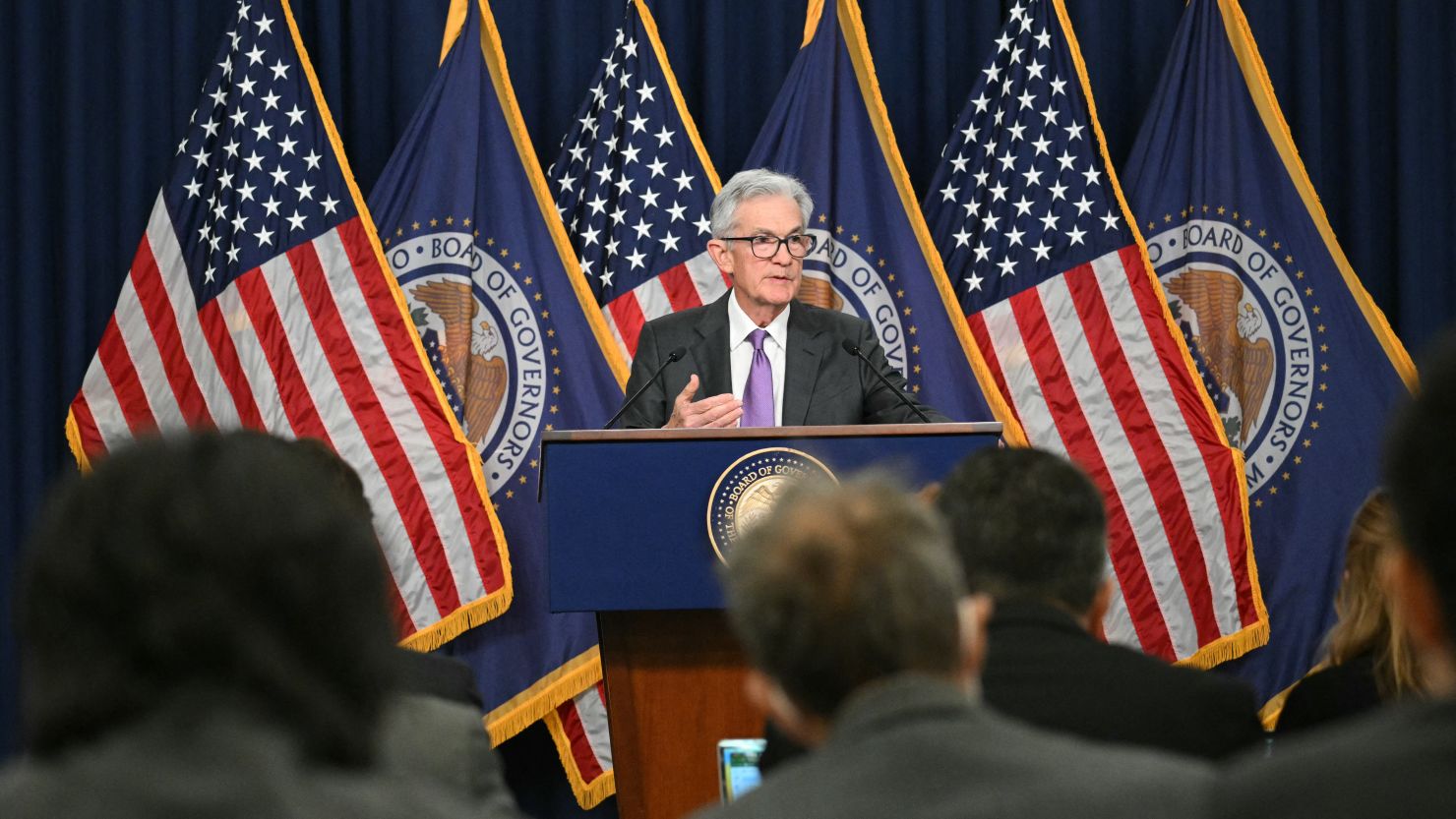
Today’s FOMC meeting carries heightened significance beyond the routine interest rate decision. While no rate change is expected at this particular meeting, the Federal Reserve’s forward guidance and communications will be subjected to intense scrutiny for any signals regarding the leadership transition or policy continuity [2]. Powell’s press conference, scheduled for 2:30 PM ET, will be closely examined for subtle shifts in tone or any comments addressing the political and legal pressures facing the institution.
The market will be particularly attentive to how the FOMC statement characterizes the economic outlook, especially given the uncertain policy environment. Any modifications to language regarding inflation expectations, labor market conditions, or the overall economic trajectory could be interpreted as signals about the incoming leadership’s likely approach.
The DOJ investigation into Powell represents a fundamental challenge to the independence of the Federal Reserve system. Central bank independence is widely regarded by economists and market participants as essential for effective monetary policy implementation, as it insulates decision-making from short-term political considerations. Yellen’s characterization of the investigation as “extremely chilling” [2] underscores the severity of this institutional concern.
The implications extend beyond the immediate transition period. If market participants perceive that future Fed Chairs operate under potential political or legal pressure, the credibility of monetary policy communications could be compromised. This credibility is foundational to the effectiveness of policy tools, as market expectations play a crucial role in transmitting interest rate decisions throughout the financial system.
The current transition presents several distinct categories of risk that market participants should consider. First, there is timing risk, as President Trump has indicated that the nomination announcement may be imminent, potentially timed to coincide with today’s FOMC decision [2]. This coordination could amplify market volatility as announcements and policy decisions are absorbed simultaneously.
Second, policy uncertainty risk stems from the divergent policy preferences among the leading candidates. Hassett is generally viewed as dovish on interest rates, Warsh has hawkish tendencies regarding inflation, and Waller’s dissenting record suggests a potentially more restrictive stance [3]. The market’s current positioning may require significant adjustment depending on which candidate is selected.
Third, institutional stability risk relates to the broader implications of the DOJ investigation and the surrounding political pressure. The Federal Reserve’s ability to maintain consistent and credible monetary policy depends on its perceived independence and operational continuity. Any erosion of these foundations could have lasting effects on market confidence in the central bank.
Different market participants face varying degrees of exposure to the current uncertainty. Fixed income investors confront the most direct impact, as Treasury yields and corporate bond valuations are most immediately sensitive to Fed policy expectations and leadership credibility. The ongoing yield repricing reflects these concerns and may continue as the transition unfolds.
Equity markets face medium to high exposure, particularly in sectors with elevated interest rate sensitivity. Growth equities, technology companies with significant capital expenditure requirements, and highly leveraged businesses may experience pronounced reactions to any shifts in rate expectations. Value sectors with more stable cash flow profiles may demonstrate相对 resilience.
The Trump administration faces high stakes in selecting a nominee who can maintain market confidence while advancing the administration’s economic priorities. The balance between policy alignment and institutional credibility will be a critical consideration in the nomination process.
Current Federal Reserve Governors face their own set of concerns regarding institutional stability and their potential roles under new leadership. The unprecedented scrutiny and external pressures create challenges for maintaining operational effectiveness during the transition period.
Market participants should prioritize monitoring several key developments in the coming days. First, any Fed Chair nomination announcement from the Trump administration should be evaluated not only for the candidate’s policy preferences but also for signals about the administration’s intended relationship with the central bank. The tone and framing of the announcement may provide insight into future policy dynamics.
Second, the evolution of the DOJ investigation into Powell will be important to track, as legal developments could affect Powell’s remaining tenure or create additional uncertainty about the transition timeline. Any escalation or resolution of this investigation could have immediate market implications.
Third, market reaction patterns across asset classes should be analyzed for signals about investor positioning and expectations. Unusual volatility or correlation breakdowns could indicate stress points that require attention in portfolio risk management.
Fourth, the trajectory of Treasury yields and the shape of the yield curve will provide ongoing insight into market expectations for future monetary policy. Sustained yield increases or curve flattenings could signal concerns about inflation or economic growth that extend beyond the immediate leadership transition.
The analysis reveals several critical data points for market participants. First, the FOMC decision on January 28, 2026, occurs against an unprecedented backdrop of leadership transition uncertainty and political/legal pressures on the Federal Reserve. Second, Christopher Waller has emerged as a leading candidate with strong CEO support (81%) but a documented record of dissenting on rate decisions. Third, the DOJ investigation into Powell raises fundamental questions about central bank independence that could affect market confidence in monetary policy credibility. Fourth, bond markets have already reflected elevated uncertainty, with 10-year Treasury yields at four-month highs. Fifth, market pricing currently reflects expectations for one to two rate cuts in 2026 (June and December), though this positioning may require adjustment depending on the incoming Chair’s policy orientation.
The convergence of these factors justifies the nervousness expressed by experienced Fed watchers like DiMartino Booth. The coming days will likely clarify the leadership transition timeline and provide additional signals about the future direction of monetary policy, but significant uncertainty will persist until the nomination is confirmed and the new Chair’s policy approach becomes clearer.
Insights are generated using AI models and historical data for informational purposes only. They do not constitute investment advice or recommendations. Past performance is not indicative of future results.
About us: Ginlix AI is the AI Investment Copilot powered by real data, bridging advanced AI with professional financial databases to provide verifiable, truth-based answers. Please use the chat box below to ask any financial question.