S&P 500 Breaches 7,000 Points as Fed Holds Rates Steady, Signals Inflation Concerns
Unlock More Features
Login to access AI-powered analysis, deep research reports and more advanced features
About us: Ginlix AI is the AI Investment Copilot powered by real data, bridging advanced AI with professional financial databases to provide verifiable, truth-based answers. Please use the chat box below to ask any financial question.
Related Stocks
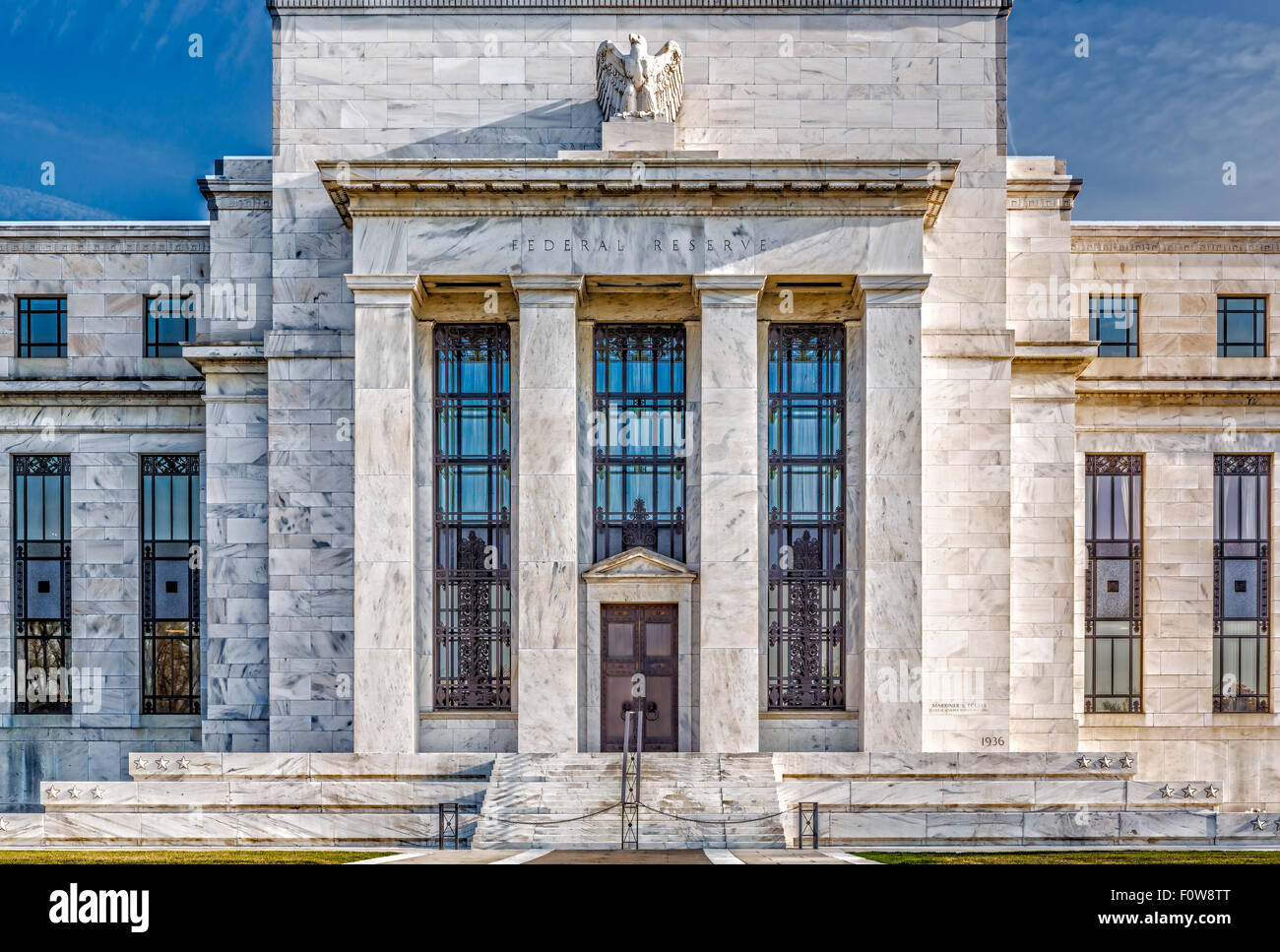
On January 28, 2026, the Federal Reserve held interest rates steady at the range of 3.5% to 3.75%, marking the first rate pause since July 2025 following three consecutive rate cuts [1]. This landmark decision arrived as the S&P 500 achieved a historic psychological milestone, crossing the 7,000-point threshold for the first time in the index’s 70-year history. The convergence of these two events created a complex market environment characterized by celebration of equity gains alongside concern over persistent inflation pressures.
The Fed’s policy statement explicitly characterized inflation as “elevated” and described the labor market as looking “sturdier,” signaling a slightly hawkish stance despite holding rates steady [1][2]. This language marked a notable shift from previous communications and suggested the central bank may maintain its restrictive policy stance longer than some market participants had anticipated. The timing of this decision is particularly significant given ongoing political pressure for lower interest rates and the anticipated leadership transition at the Fed, with Chair Powell’s expected departure and a successor anticipated by summer [2].
The S&P 500’s breakthrough above 7,000 points represented a watershed moment for U.S. equity markets, though the trading session revealed notable volatility. The index opened at 7,002.00, reached an intraday high of 7,002.28, but ultimately closed at 6,978.02, reflecting a decline of 0.34% on the day [0]. This “wobble” after reaching record highs illustrates the tension between celebratory momentum and caution surrounding the Fed’s inflation concerns. The index’s inability to maintain its record level underscored the weight of the Fed’s hawkish messaging on investor psychology.
The NASDAQ Composite similarly exhibited mixed signals, closing at 23,857.45 (down 0.45%) after opening at 23,965.11 [0]. The Russell 2000 underperformed significantly, declining 1.02% to close at 2,653.55, suggesting that smaller-cap stocks bore the brunt of risk aversion following the Fed’s tone [0]. This divergence between large-cap indices and small-caps indicates that investors may be seeking safety in established mega-cap names while retreating from more economically sensitive smaller companies.
Sector rotation on the Fed decision day revealed defensive positioning by investors, with clear winners and losers emerging from the policy announcement [0]:
The
Conversely,
The U.S. dollar experienced its strongest single-day performance since mid-November, with the euro suffering its worst daily decline since August [1]. This dollar strength occurred despite gold’s record-breaking rally to $5,300 per ounce, typically a dollar-negative development. The unusual correlation suggests the dollar’s rally was primarily driven by relative interest rate expectations rather than pure safe-haven flows, as the Fed’s hawkish stance improved the relative yield attractiveness of dollar-denominated assets.
Treasury yields rose approximately 3 basis points across the curve following the Fed announcement, with the yield curve steepening slightly [1]. The 10-year Treasury yield stood at 4.26% as of January 28, representing a 17% increase from levels observed in September 2024 [0]. This elevated yield level indicates market participants are pricing in potentially higher-for-longer policy despite the pause, which creates structural headwinds for equity valuations that depend on low discount rates.
Gold’s ascent to $5,300 per ounce represents a remarkable 4% increase on the session, reflecting significant investor demand for inflation hedging and portfolio diversification [1][4]. This extraordinary move—well above traditional inflation hedge levels—suggests markets are pricing in longer-term currency debasement concerns alongside geopolitical risk premiums. Fed Chair Powell reportedly dismissed the gold rally as not indicating Fed credibility loss, though the price action speaks to persistent market anxiety about inflation trajectories [4]. Silver also benefited, gaining 3% alongside its precious metal counterpart [1].
The 10-2 vote breakdown represents one of the highest dissent rates in recent Fed history, indicating growing internal debate about the appropriate policy path forward [1][3]. Federal Reserve Governors Christopher Waller and Stephen Miran dissented in favor of a 25-basis-point rate cut, demonstrating that at least two voting members believe current policy is overly restrictive [3]. This level of dissension suggests the Federal Open Market Committee is not unanimous in its assessment of economic conditions, potentially signaling future policy volatility as different factions compete to influence the direction of monetary policy.
The significance of these dissents extends beyond the immediate meeting. When senior Fed officials publicly break with consensus, it often foreshadows future policy shifts and provides markets with signals about potential voting patterns at upcoming meetings. The fact that both dissenters favored cutting rather than holding suggests the committee’s hawkish stance may be more fragile than the vote count implies.
Significant dislocations emerged in after-hours trading following the Fed announcement, revealing acute market sensitivity to rate-sensitive growth narratives [1].
These extreme after-hours moves highlight several important dynamics. First, mega-cap tech stocks remain extraordinarily sensitive to rate expectations due to their heavy reliance on future earnings streams. Second, company-specific fundamentals continue to drive individual stock performance even amid macro-driven volatility. Third, the dramatic reversals between after-hours and regular trading closes suggest markets were still processing the Fed’s implications well after the official announcement.
The January 2026 meeting occurs within a complex political and structural environment that adds layers of uncertainty to the usual policy calculus [2]. President Trump’s demands for dramatically lower rates create political pressure on the Fed that could influence both policy decisions and market expectations [2]. Simultaneously, the anticipated leadership transition—with Chair Powell expected to depart and a successor expected by summer—introduces uncertainty about the future direction of monetary policy [2].
This combination of political pressure and leadership transition creates a unique environment where market participants must weigh not only economic data and Fed statements but also potential changes in policy philosophy that could accompany new leadership. The current Fed’s hawkish stance may be challenged or reinforced depending on who ultimately succeeds Powell, adding a structural uncertainty premium to market pricing.
The analysis reveals several risk factors that warrant attention from market participants. The Fed’s explicit characterization of inflation as “elevated” despite three rate cuts in late 2025 raises concerns about the effectiveness of prior policy easing [1]. If inflation proves more persistent than anticipated, the Fed may need to maintain higher rates for longer, potentially triggering equity valuation corrections. Historical patterns suggest that equity markets often struggle to sustain record levels when central banks signal ongoing inflation concerns.
Treasury yields at 4.26% with a 17% year-over-year increase represent elevated financing costs that create structural challenges for multiple market segments [0]. Prolonged high-rate environments typically compress equity multiples through higher discount rates and increase debt service burdens for leveraged issuers. The high-yield bond market, commercial real estate sector, and leveraged loan market all face heightened stress under these conditions, potentially creating contagion risks if stress compounds.
Technology sector concentration risk remains elevated, with the S&P 500’s record levels increasingly dependent on a narrow cohort of mega-cap technology companies [0]. The 0.62% sector decline alongside significant after-hours volatility highlights ongoing concentration risks that could amplify downside moves if sentiment shifts. Investors should be aware that index-level gains may obscure significant underlying weakness in market breadth.
Currency volatility presents another risk vector, as the dollar’s best day since mid-November combined with gold’s record rally indicates divergent market views on currency stability [1]. Continued dollar strength could create headwinds for multinational corporations and commodity-importing sectors, potentially affecting corporate earnings guidance and international competitiveness.
Despite elevated risks, several opportunity windows emerge from the current market environment. The sector rotation observed during the Fed decision day suggests tactical opportunities in energy and real estate sectors that may benefit from specific tailwinds [0]. Energy’s correlation with elevated oil prices and inflation expectations could persist if geopolitical tensions remain elevated, while real estate may find support if the Fed’s pause proves to be the beginning of an extended holding pattern.
Gold’s record rally, while potentially reflecting inflation anxiety, also suggests significant safe-haven demand that could persist if economic uncertainty remains elevated [4]. Investors seeking portfolio diversification and inflation protection may find precious metals allocations increasingly justified, though timing remains challenging given gold’s extraordinary move.
The after-hours volatility in individual mega-cap stocks created pricing dislocations that may present opportunities for investors with sufficient risk tolerance and trading infrastructure to capitalize on rapid price movements [1]. The divergence between Microsoft, Meta, Tesla, and IBM suggests market participants are making granular judgments about individual company trajectories even amid macro-driven volatility.
The Federal Reserve’s January 2026 decision to hold rates steady while flagging elevated inflation creates a nuanced market environment combining historic equity levels with persistent policy uncertainty. The S&P 500’s breakthrough above 7,000 points represents a psychological milestone but occurred alongside a 0.34% session decline, underscoring the tension between celebratory momentum and caution [0]. Sector rotation favored energy (+0.82%) while penalizing industrials (-1.59%), reflecting investor concerns about economic growth under persistent inflation [0].
The dollar’s strengthening and gold’s record rally to $5,300 per ounce indicate divergent market views on currency stability and inflation protection [1][4]. After-hours trading revealed significant volatility in mega-cap tech stocks, with Microsoft dropping 7% and Meta surging 10% before partial reversals [1]. The 10-2 Fed vote with two dissenters favoring immediate cuts signals growing internal debate about the appropriate policy path [3].
February PCE data will be critical in confirming or challenging the Fed’s elevated inflation assessment, while upcoming congressional testimony from Powell may provide additional policy clarity [2]. Q4 2025 GDP figures will inform the “sturdier” labor market characterization, and the Trump administration response to the hawkish Fed stance could introduce additional policy uncertainty [2]. Market participants should prepare for elevated volatility as these factors digest into pricing.
Insights are generated using AI models and historical data for informational purposes only. They do not constitute investment advice or recommendations. Past performance is not indicative of future results.
About us: Ginlix AI is the AI Investment Copilot powered by real data, bridging advanced AI with professional financial databases to provide verifiable, truth-based answers. Please use the chat box below to ask any financial question.