Brazil's Central Bank Holds Selic Rate at 15%, Signals March 2026 Pivot to Easing
Unlock More Features
Login to access AI-powered analysis, deep research reports and more advanced features
About us: Ginlix AI is the AI Investment Copilot powered by real data, bridging advanced AI with professional financial databases to provide verifiable, truth-based answers. Please use the chat box below to ask any financial question.
Related Stocks
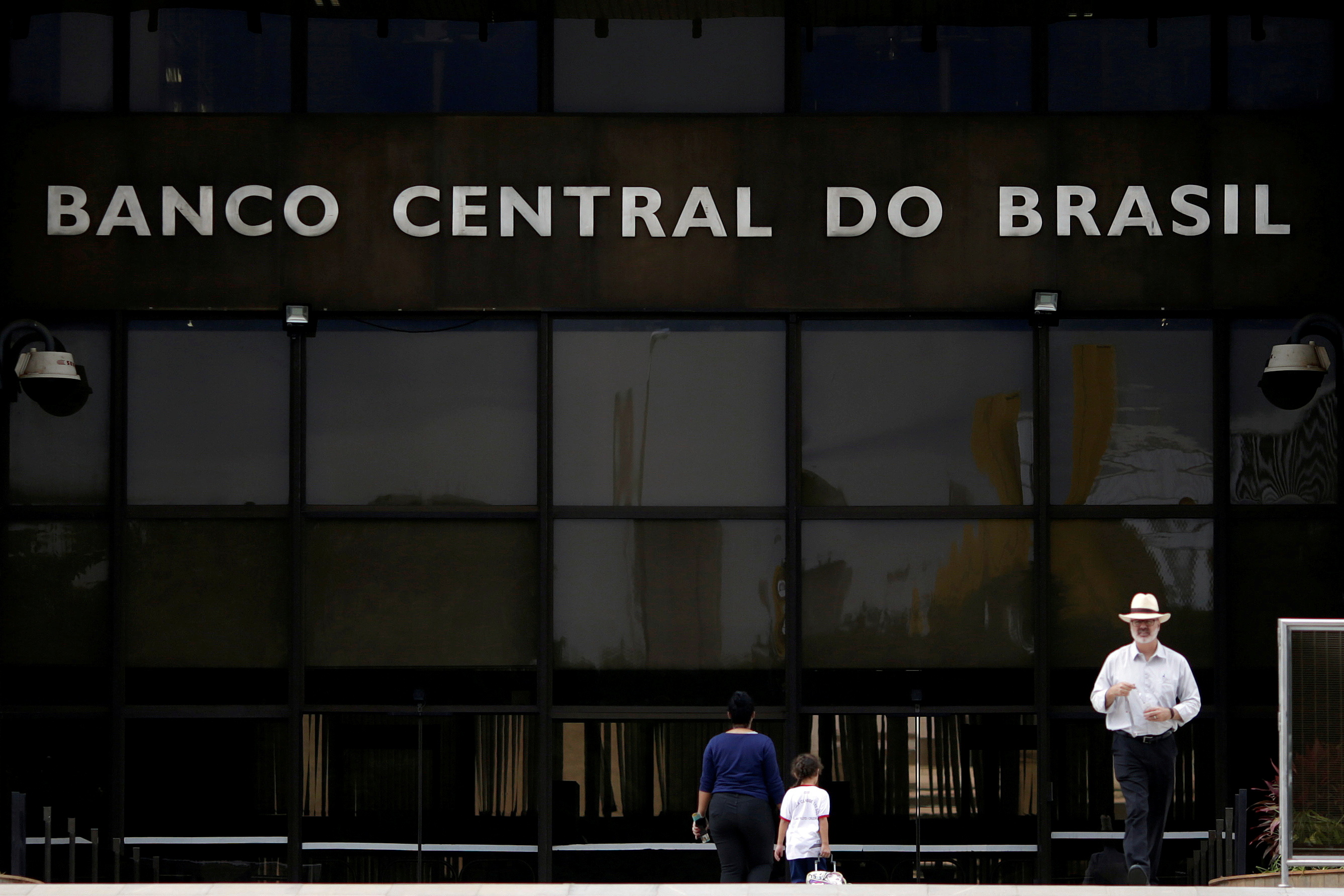
The Central Bank of Brazil’s Monetary Policy Committee (Copom) announced on January 28, 2026, its decision to maintain the Selic rate at 15%, a level representing a nearly two-decade high [1]. This marks the fifth consecutive meeting where rates have remained unchanged, consistent with the consensus expectation among economists, where 32 of 35 surveyed predicted no change [2]. The forward guidance accompanying the decision explicitly signaled that a rate reduction could commence at the March 18-19, 2026 meeting, representing a significant pivot point in Brazil’s monetary policy cycle.
The central bank’s decision reflects the ongoing tension between persistent inflationary pressures and mounting signs of economic weakness. Consumer prices rose 4.5% through mid-January, remaining above the BCB’s 3% target and indicating that inflation continues to exhibit “sticky” characteristics despite previous tightening efforts [1][3]. The BCB has emphasized an “uncertain outlook” amid global headwinds, suggesting caution despite the clear easing bias in their forward guidance.
The inflationary environment presents a complex picture for Brazilian policymakers. While price pressures remain elevated relative to the 3% target, there are emerging signs that the disinflation process is gradually taking hold. The central bank’s patient approach—maintaining rates at restrictive levels for an extended period—has provided the foundation for potential policy normalization while ensuring that inflation expectations remain anchored.
Economic indicators suggest domestic demand is weakening, which typically creates space for monetary easing. The BCB has acknowledged this growth moderation as a contributing factor to their assessment that conditions may become appropriate for rate reductions in the near term. However, the bank has been careful to condition its March guidance on continued progress in bringing inflation toward target, maintaining a data-dependent stance that preserves optionality.
The Brazilian real has demonstrated remarkable resilience, rallying 5.16% against the U.S. dollar year-to-date and emerging as one of the best-performing emerging market currencies [4]. This appreciation reflects multiple factors, including attractive real interest rates, improved sentiment toward Brazilian assets, and broader dollar weakness in global markets.
BCB President Roberto Campos Neto has noted that U.S. policy developments under the Trump administration could impact global conditions and potentially affect Brazilian inflation dynamics [1]. This external uncertainty underscores the challenges facing emerging market central banks in navigating an increasingly complex global monetary landscape. The interplay between potential Fed policy changes and BCB decisions will be a critical factor influencing capital flows and currency movements in the coming quarters.
Financial market participants and economists have priced in a gradual easing cycle, with the median forecast projecting the Selic rate to decline to 12.25% by the end of 2026 [3]. This expectation of approximately 275 basis points of rate reductions over the course of the year implies approximately seven 25-basis-point cuts, though the actual pace will depend on incoming inflation data and global financial conditions.
The timing of the March potential cut represents a strategic consideration for both the central bank and market participants. Moving too early risks reigniting inflationary pressures, while delaying too long could exacerbate economic weakness. The BCB’s explicit forward guidance to March provides markets with clarity while preserving flexibility based on evolving conditions.
The explicit March guidance marks a significant transition in Brazil’s monetary policy stance after an extended period of tight money. The BCB has successfully maintained restrictive conditions long enough to create space for a gradual normalization, while the sticky nature of inflation at 4.5% ensures this process will be measured and data-dependent. The forward guidance approach has enhanced policy transparency and reduced uncertainty in financial markets.
The prospective narrowing of the Brazil-U.S. interest rate differential carries important implications for capital flows. As the BCB begins reducing rates while the Fed maintains its own policy stance, the attraction of Brazilian fixed-income assets may diminish, potentially triggering capital outflows. However, the strong real rally suggests markets are already anticipating this dynamic in an orderly fashion.
The appreciation of the Brazilian real presents potential challenges for export-oriented sectors. A stronger currency erodes price competitiveness in international markets, which could pressure trade balances and economic growth. The central bank will need to balance this consideration against its domestic inflation and growth objectives.
The Central Bank of Brazil’s January 2026 decision to maintain the 15% Selic rate while signaling a March easing pivot represents a carefully calibrated policy stance amid competing pressures. Inflation at 4.5% remains above the 3% target but shows signs of gradual moderation, while economic indicators suggest weakness that argues for less restrictive conditions. The Brazilian real’s strong performance reflects market confidence in Brazilian assets, though this appreciation could complicate export competitiveness and introduces currency risk considerations. Analysts project the rate-cutting cycle to bring the Selic to 12.25% by year-end 2026, implying a measured pace of approximately seven 25-basis-point reductions. The BCB’s explicit forward guidance to March has provided clarity to markets while preserving data-dependent optionality. External factors, particularly U.S. policy developments, represent key sources of uncertainty that could influence the timing and pace of the easing cycle.
U.S. market indices showed modest volatility on the announcement day [0]:
| Index | Change | Level |
|---|---|---|
| S&P 500 | -0.34% | 6,978.02 |
| NASDAQ | -0.45% | 23,857.45 |
| Russell 2000 | -1.02% | 2,653.55 |
The modest negative reaction in U.S. markets reflects the global nature of monetary policy interconnections and general market caution amid a busy central bank week.
Insights are generated using AI models and historical data for informational purposes only. They do not constitute investment advice or recommendations. Past performance is not indicative of future results.
About us: Ginlix AI is the AI Investment Copilot powered by real data, bridging advanced AI with professional financial databases to provide verifiable, truth-based answers. Please use the chat box below to ask any financial question.