U.S. Treasury Yields Rise Following Fed's January 2026 Interest Rate Decision
Unlock More Features
Login to access AI-powered analysis, deep research reports and more advanced features
About us: Ginlix AI is the AI Investment Copilot powered by real data, bridging advanced AI with professional financial databases to provide verifiable, truth-based answers. Please use the chat box below to ask any financial question.
Related Stocks
The Federal Reserve’s January 2026 FOMC meeting represents a strategic pause in the rate-cutting cycle that began in late 2024. By maintaining the policy rate in a range of 3.5% to 3.75%, the central bank signaled a cautious approach amid ongoing economic uncertainties [1][2]. The decision, approved by a 10-2 vote with dissenters preferring further accommodation, reflects the evolving debate within the Federal Open Market Committee regarding the appropriate stance of monetary policy [2][4].
The market reaction to the Fed decision manifested most prominently in the Treasury market, where 10-year yields climbed to approximately 4.26%-4.27% [1][5]. This yield increase suggests that investors are reassessing the path of future rate cuts, potentially pricing in a longer period of elevated rates given the Fed’s characterization of inflation as “somewhat elevated” rather than returning sustainably to the 2% target. The 2-year Treasury yield also ticked higher to approximately 3.59%, maintaining the yield curve’s inversion while the 10-year-2-year spread continued to indicate market expectations for the policy trajectory [5].
The equity market response proved muted and sector-differentiated, reflecting the nuanced nature of the Fed’s communications. The S&P 500’s flat closing level at 6,978.02, the NASDAQ’s 0.45% decline to 23,857.45, and the Dow’s near-unchanged finish at 49,015.61 collectively indicate investor uncertainty about the economic outlook [0]. Notably, the Russell 2000’s 1.02% decline to 2,653.55 suggests that smaller-capitalization stocks, often more sensitive to domestic economic conditions, may be pricing in increased headwinds [0]. Sector rotation patterns revealed continued defensive positioning, with industrials declining 1.59% while energy gained 0.82%, and real estate showing modest gains of 0.26% [0].
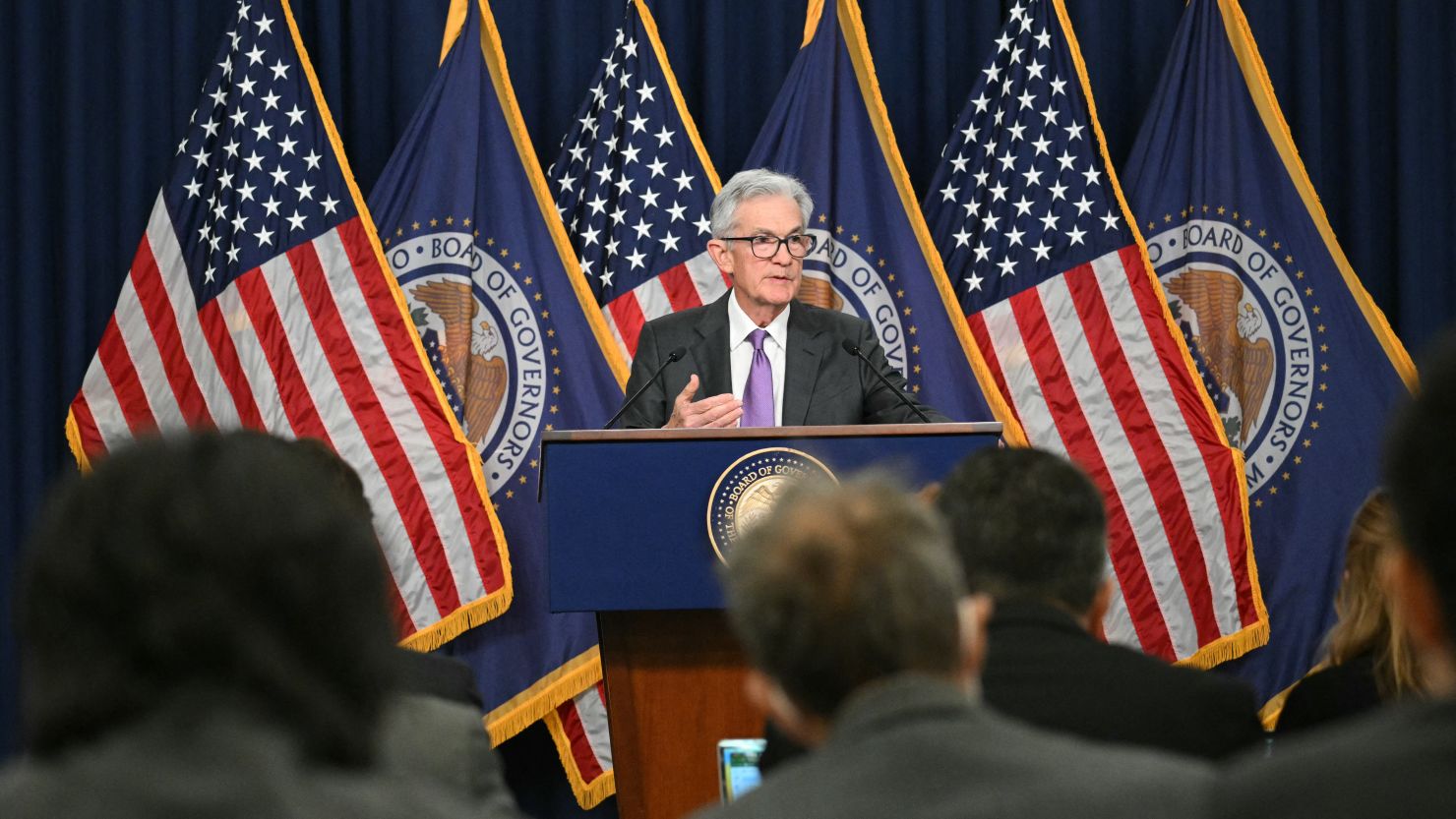
The January FOMC statement introduced significant messaging shifts that merit careful interpretation. The removal of language suggesting risks to inflation and employment were “balanced” represents a meaningful pivot in the Fed’s communication strategy, potentially signaling heightened uncertainty about the economic outlook [2][7]. This change coincides with Fed Chair Jerome Powell’s characterization of the economy as “solid” during his post-meeting press conference, creating an apparent tension between the policy statement’s cautious tone and the verbal assessment of economic conditions [2].
The absence of forward guidance in the January statement preserves the Fed’s policy flexibility while introducing potential volatility into market expectations [7]. Without explicit direction on the path of future rate adjustments, investors will likely exhibit heightened sensitivity to upcoming economic data releases, particularly the PCE inflation measure, employment reports, and GDP readings. This data-dependent approach transfers greater analytical weight to incoming information about price pressures and labor market conditions.
The 10-2 voting pattern reveals meaningful division within the Committee, with two members advocating for more accommodative policy despite the majority’s decision to hold rates steady [2][4]. This dissent, while not unprecedented, suggests that the policy stance may be on the tighter end of the spectrum preferred by some officials. Understanding the identity and reasoning of these dissenting members could provide insights into potential future voting dynamics as the FOMC navigates the remaining distance to its 2% inflation target.
Several risk dimensions emerge from the January FOMC outcome that warrant monitoring. First, the persistence of “somewhat elevated” inflation indicates that the final progress toward the 2% target may prove more challenging than earlier disinflationary phases [2][4]. This suggests potential for prolonged elevated rates, which could strain highly leveraged borrowers and compress valuation multiples for rate-sensitive sectors.
Second, the ongoing political developments surrounding Fed institutional independence introduce an underappreciated source of uncertainty [2]. The DOJ investigation referenced in market commentary and the pending succession for the Fed Chair role create potential for policy direction shifts that extend beyond traditional economic considerations. These institutional factors could affect long-term policy effectiveness and market confidence in monetary policy frameworks.
Third, without explicit forward guidance, markets may experience increased volatility around data releases as participants attempt to divine the Fed’s reaction function [7]. This information asymmetry could lead to heightened short-term market movements and potential mispricing as new data arrives.
The current policy pause creates a window for economic data to inform the path forward, potentially reducing the uncertainty premium embedded in asset prices if incoming information proves encouraging. Solid economic growth conditions, as acknowledged by Fed officials, provide a supportive backdrop for corporate earnings, potentially limiting downside risk in equity markets despite elevated valuations.
The two dissenting votes indicating preference for more accommodative policy suggest that the policy stance may shift toward cuts if economic data warrants, providing potential tailwind for risk assets should growth indicators weaken moderately. Additionally, the yield levels observed in the Treasury market, while elevated relative to recent history, remain within ranges that have historically been compatible with sustained economic expansion.
The Federal Reserve’s January 2026 decision to maintain interest rates at 3.5%-3.75% represents a strategic pause following a series of rate cuts. The 10-2 vote composition indicates some internal advocacy for more accommodative policy, while the removal of “balanced” risk language from the policy statement signals heightened uncertainty about the economic outlook [2][4][7].
Treasury market movements following the decision saw 10-year yields rise to approximately 4.26%-4.27%, reflecting investor reassessment of the rate trajectory [1][5]. Equity markets showed sector rotation patterns consistent with uncertainty, with defensive sectors underperforming and rate-sensitive sectors showing modest resilience [0]. The Fed’s characterization of inflation as “somewhat elevated” while noting solid economic growth creates a nuanced policy backdrop that will require careful monitoring of incoming economic data to navigate effectively [2].
Upcoming focal points for market participants include the PCE inflation reading, employment data releases, GDP growth estimates, and any developments regarding Fed leadership succession. These inputs will shape expectations for the path of monetary policy and inform asset allocation decisions across fixed income and equity markets.
Insights are generated using AI models and historical data for informational purposes only. They do not constitute investment advice or recommendations. Past performance is not indicative of future results.
About us: Ginlix AI is the AI Investment Copilot powered by real data, bridging advanced AI with professional financial databases to provide verifiable, truth-based answers. Please use the chat box below to ask any financial question.