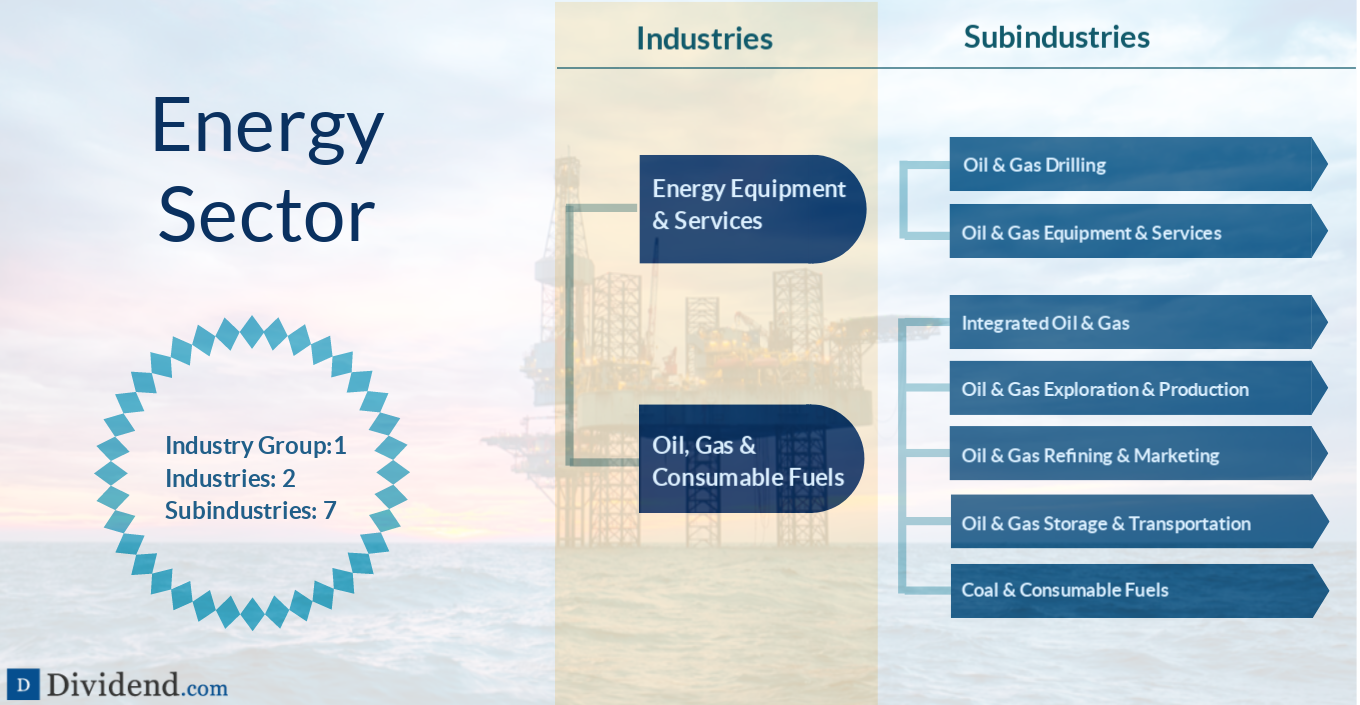
Energy Sector Dividend Stocks: Analyst Coverage and Market Analysis
Integrated Analysis
Market Context and Timing Significance
The Benzinga article titled “Wall Street’s Most Accurate Analysts Give Their Take On 3 Energy Stocks Delivering High-Dividend Yields” arrives at a particularly noteworthy moment in market cycles [1]. On January 28, 2026, the energy sector demonstrated notable resilience by outperforming all other S&P 500 sectors with a gain of +0.82%, while Technology fell -0.60%, Healthcare declined -0.97%, and Industrials dropped -1.59% [0]. This relative strength amid broader market weakness reinforces the defensive characteristics that income-focused investors often seek during periods of uncertainty.
The timing of this analysis is further significant given that both ExxonMobil and Chevron are scheduled to release their Q4 FY2025 earnings reports on January 30, 2026, before market open [0]. These forthcoming results will provide crucial insights into dividend sustainability and free cash flow generation capacity, which are fundamental determinants of long-term dividend health.
Sector-Level Dividend Advantage
The energy sector’s current positioning as the second-highest dividend-yielding sector in the S&P 500, with an average yield of approximately 3.3%, represents a substantial premium relative to the broader index average of 1.1% [4]. This yield differential becomes particularly meaningful in environments where fixed-income alternatives may offer less attractive returns or when equity volatility prompts investors to seek income-generating assets with demonstrated track records.
The sector’s dividend advantage is underpinned by several structural factors: mature upstream operations with established production profiles, integrated business models that provide cash flow diversification, and historically strong free cash flow generation that supports both capital expenditure requirements and shareholder returns. However, investors should note that recent crude oil price declines—approximately 15% to below $60 per barrel—have introduced additional variability into sector sentiment [4].
Individual Stock Analysis and Comparative Metrics
ExxonMobil Corporation (XOM)
represents the largest integrated energy company by market capitalization at $580.41 billion, with shares trading at $137.63 [0]. The company has demonstrated consistent earnings performance, including Q3 FY2025 results that exceeded estimates by 3.30% with EPS of $1.88 versus the $1.82 consensus [0]. With a trailing P/E ratio of 19.90x and return on equity of 11.42%, ExxonMobil maintains a premium valuation that reflects its scale advantages and dividend aristocrat status—having increased dividends for 41 consecutive years [4]. Analyst consensus currently indicates a HOLD rating with a price target of $142.00, representing modest 3.2% upside from current levels [0].
Chevron Corporation (CVX)
, with a market capitalization of $339.71 billion and share price of $169.91, has shown stronger recent earnings surprises at 9.47% above estimates with Q3 FY2025 EPS of $1.85 versus the $1.69 consensus [0]. The company’s 23.95x P/E ratio and 8.01% ROE are accompanied by a higher dividend yield of approximately 4.4% and an exceptional 38-year track record of dividend increases [0][4]. Analyst consensus favors a BUY rating with a $174.00 price target, implying 2.4% upside with 62.7% of analysts recommending purchase [0].
ConocoPhillips (COP)
presents a differentiated profile among the major integrated producers, trading at $101.39 with market capitalization of $126.63 billion [0]. The company achieved the strongest earnings surprise among the three majors at +14.18% in Q3 FY2025, with EPS of $1.41 versus estimates of $1.41 [0]. Notably, ConocoPhillips offers the most attractive valuation at 14.30x P/E and the highest return on equity at 13.56% [0]. Analyst consensus remains BUY with a price target of $116.50, representing 14.9% upside—the highest among the peer group [0]. However, recent downgrades from JP Morgan and B of A Securities warrant monitoring and suggest growing caution among some analysts [0].
Vitesse Energy Inc. (VTS)
represents a higher-yielding, higher-risk tier within the energy dividend landscape, with dividend yields reported in the 11.46% to 11.79% range [3]. The company’s price performance has been negative over recent periods, declining 3.93% over two months, which may reflect market concerns about payout sustainability [0]. Such elevated yields typically warrant careful examination of earnings coverage, free cash flow generation, and the potential for dividend cuts if commodity prices remain depressed.
Key Insights
Cross-Domain Correlations
The analysis reveals several interconnected dynamics that extend beyond individual stock selection. The inverse relationship between crude oil prices and dividend sustainability becomes particularly relevant given recent price declines below $60 per barrel [4]. This price environment tests the resilience of dividend commitments across the sector and may distinguish companies with more diversified downstream exposure or lower cost structures.
The analyst rating dynamics also merit attention, as ConocoPhillips’ combination of strong buy-side consensus (76.5%) alongside recent downgrades from major financial institutions indicates a bifurcated view on the stock [0]. This divergence may reflect varying assessments of operational execution, capital allocation priorities, or forward-looking commodity price expectations.
Dividend Sustainability Framework
For income-oriented investors, the analysis suggests a hierarchy of dividend sustainability considerations. The Dividend Aristocrat status of both ExxonMobil (41 years of increases) and Chevron (38 years of increases) provides historical evidence of commitment to shareholder returns through commodity cycles [4]. These companies have demonstrated willingness to maintain or increase dividends even during periods of depressed oil prices, suggesting lower risk of dividend cuts relative to higher-yielding alternatives.
ConocoPhillips’ lower valuation metrics (14.3x P/E) and higher ROE (13.56%) may appeal to investors seeking a balance between income generation and capital appreciation potential [0]. However, the company’s narrower upstream focus compared to the integrated models of XOM and CVX may result in greater earnings volatility during commodity price fluctuations.
Risks and Opportunities
Risk Factors
Commodity Price Exposure:
The fundamental risk across all energy dividend stocks remains their exposure to crude oil and natural gas price volatility. Recent declines of approximately 15% in oil prices to below $60 per barrel have compressed sentiment across the sector despite relatively stable dividend sustainability metrics [4]. Should prices decline further, companies may face pressure on free cash flow generation, potentially threatening dividend growth trajectories or forcing difficult capital allocation decisions.
Valuation Considerations:
Chevron’s elevated P/E ratio of 23.95x and ExxonMobil’s 19.90x multiple reflect market premiums for scale, diversification, and dividend stability [0]. Should commodity fundamentals deteriorate, these premiums could compress, resulting in share price weakness that may partially offset dividend income.
Payout Sustainability for High-Yield Stocks:
Vitesse Energy’s exceptionally high yield in the 11.5% range raises legitimate questions about earnings coverage and the sustainability of such payouts [3]. Historical evidence suggests that yields at these levels often indicate elevated risk of dividend cuts, and investors should carefully verify that dividend payments are supported by free cash flow rather than reserves depletion or balance sheet borrowing.
Regulatory and Policy Risk:
Potential policy changes affecting fossil fuel operations, carbon pricing mechanisms, or permitting processes could impact long-term capital allocation strategies and the economics of continued investment in traditional energy assets.
Opportunity Windows
Earnings Catalyst:
The January 30, 2026 earnings reports from both ExxonMobil and Chevron represent near-term catalysts that could significantly impact stock prices and analyst sentiment [0]. Positive surprises could reinforce confidence in dividend sustainability and potentially prompt analyst upgrades, while misses may create temporary buying opportunities for long-term income investors.
Relative Sector Strength:
The energy sector’s demonstrated ability to outperform during periods of broader market weakness suggests potential defensive value in a well-constructed income portfolio [0]. The sector’s yield premium relative to the broader market may attract continued institutional flows during risk-averse periods.
Valuation Dislocation:
ConocoPhillips’ lower valuation multiple (14.3x P/E) combined with the highest analyst price target upside (14.9%) may represent an opportunity for investors seeking both income and capital appreciation potential [0]. However, the recent analyst downgrades require careful monitoring to assess whether they signal fundamental concerns or represent temporary sentiment shifts.
Key Information Summary
This analysis is based on the Benzinga article published January 29, 2026, which highlights energy stocks with high dividend yields during market turbulence [1]. The energy sector’s 3.3% average dividend yield represents a significant premium to the S&P 500 average of 1.1% [4], positioning these stocks favorably for income-focused portfolios.
Dividend Sustainability Hierarchy:
ExxonMobil and Chevron offer the most established dividend track records with 41 and 38 consecutive years of dividend increases, respectively [4]. Their integrated business models and scale advantages provide greater resilience during commodity price volatility. Conocado Phillips offers more attractive valuation metrics but carries recent analyst downgrades that warrant attention [0].
Earnings Sensitivity:
Both ExxonMobil and Chevron report earnings on January 30, 2026, with EPS estimates of $1.68 and $1.44, respectively [0]. These results will provide important signals regarding dividend sustainability and may trigger analyst rating adjustments.
Risk Awareness:
Vitesse Energy’s elevated yield in the 11.5% range should be approached with caution regarding payout sustainability [3]. The stock’s negative price momentum suggests market concerns about dividend maintenance that income investors should carefully evaluate.
Investors seeking energy dividend exposure should consider the trade-offs between established dividend aristocrats (XOM, CVX) offering moderate yields with high sustainability confidence and higher-yielding alternatives (VTS) that may carry elevated risk of dividend reduction.