Multi-Market Analysis: SpaceX-xAI Merger, US-India Trade Deal, Oracle Credit Improvement, and Precious Metals Rout
Unlock More Features
Login to access AI-powered analysis, deep research reports and more advanced features
About us: Ginlix AI is the AI Investment Copilot powered by real data, bridging advanced AI with professional financial databases to provide verifiable, truth-based answers. Please use the chat box below to ask any financial question.
Related Stocks
The February 2, 2026 market developments represent a convergence of significant events across multiple sectors and geographies, each with distinct implications for investors and market participants. These events—spanning corporate consolidation, international trade, credit markets, and commodities—demonstrate the interconnected nature of global financial markets and the varied market responses to different types of news [1].
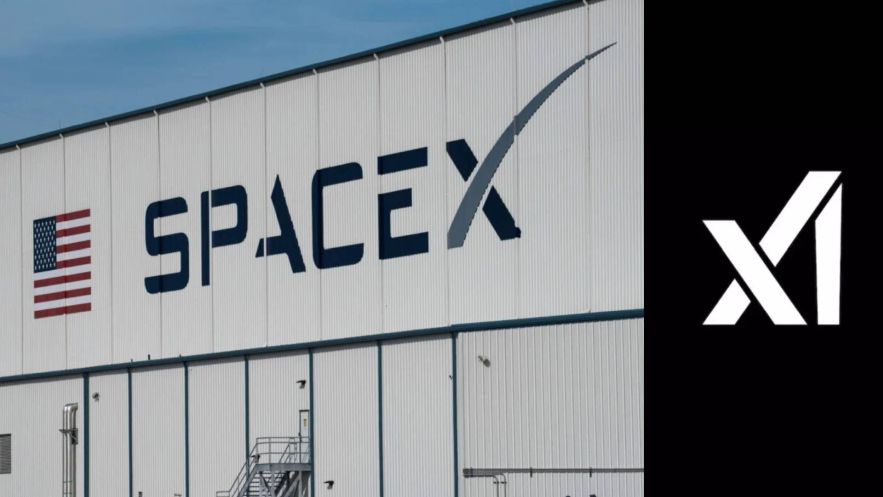
The announcement that SpaceX is acquiring xAI, Elon Musk’s artificial intelligence startup, represents one of the most significant corporate combinations in the technology and space sectors. The combined entity is expected to have a valuation of approximately $1.25 trillion, positioning it for what could become one of the largest initial public offerings in history [1]. This strategic consolidation brings together SpaceX’s space infrastructure capabilities with xAI’s artificial intelligence expertise, creating synergies that align with Musk’s vision of developing data center capabilities in space.
The merger follows earlier reports of talks between SpaceX, Tesla, and xAI regarding potential structural combinations, indicating a longer-term strategic planning process [3]. From an integration perspective, xAI’s advanced AI capabilities could enhance SpaceX’s autonomous systems, satellite operations, and future Mars colonization efforts. The combination also positions the entity favorably for competing in the emerging space-based data center market, where the combination of AI processing power and space infrastructure could prove decisive.
However, several risk factors warrant attention. The complexity of Musk’s corporate ecosystem—where Tesla has invested $2 billion in xAI—raises questions about related-party transactions and valuation fairness for minority shareholders across these entities [3]. Regulatory scrutiny from the SEC and antitrust authorities appears likely given the scale of the transaction and the consolidation of AI capabilities with dominant space infrastructure. The integration of two distinct corporate cultures and technological stacks will also present operational challenges.
The US-India trade deal announced on February 2, 2026, represents a significant diplomatic and economic achievement with implications for multiple sectors. Under the agreement, the United States has reduced tariffs on Indian goods from 25% to 18%, while India has committed to increasing purchases of American products under the “Buy American” initiative and halting purchases of Russian oil [1].
This trade realignment carries strategic significance beyond immediate economic terms. For India, the agreement provides improved market access for its substantial pharmaceutical, agricultural, and textile exports to the United States. The commitment to stop purchasing Russian oil, while potentially disruptive to existing supply chains in the short term, signals India’s willingness to align more closely with US strategic interests and could facilitate deeper economic cooperation [1].
From a sector perspective, Indian pharmaceutical companies stand to benefit from reduced tariff barriers, potentially gaining market share in the US generic drugs market. Agricultural exporters may also find improved conditions, while the energy sector will experience an adjustment period as India redirects its oil procurement away from Russian supplies. The broader implications include potential strengthening of the Quad alliance and improved Indo-US relations on technology sharing and defense cooperation.
Oracle Corporation’s credit default swap spreads tumbled 17% following the company’s announcement of plans to raise $50 billion through a combination of debt and equity offerings [1]. This significant improvement in credit metrics reflects investor confidence in Oracle’s financial strategy following earlier concerns about AI infrastructure spending and funding gaps related to OpenAI partnerships.
The CDS spread compression represents a meaningful positive development for bondholders who had grown concerned about Oracle’s capital intensity in artificial intelligence infrastructure investments. The successful capital raise demonstrates the company’s ability to access public markets despite the substantial size of the offering and suggests that investors remain supportive of Oracle’s AI-focused strategy.
Nevertheless, risks remain. A class action lawsuit filed in January 2026 by bondholders regarding $18 billion in senior notes remains active [2]. The plaintiffs allege that Oracle provided insufficient disclosure regarding its AI funding needs at the time of the bond issuance. While the CDS improvement suggests near-term credit concerns have eased, the litigation outcome could have longer-term implications for Oracle’s bond issuance practices and investor relations. The company’s next quarterly earnings report will be closely watched to validate that the capital raise is being deployed effectively toward AI infrastructure development.
The precious metals market experienced significant selling pressure on February 2, 2026, with both gold and silver extending previous losses [1]. Several factors contributed to this decline, including expectations around Federal Reserve policy under a potential “Warsh Fed” scenario (referring to economist Kevin Warsh’s potential influence on monetary policy), a strengthening US dollar, profit-taking after extended rallies, and margin increases that reduced the attractiveness of commodity speculation [4].
Notably, equity markets demonstrated remarkable resilience in the face of precious metals weakness. The S&P 500 gained 0.54% while the Dow Jones Industrial Average advanced 1.05% [1]. This divergence suggests that investors are currently prioritizing equity exposure over safe-haven assets, potentially reflecting confidence in economic growth prospects or a rotation toward risk assets despite ongoing geopolitical uncertainties.
The precious metals selloff raises questions about the durability of the “debasement trade” that has supported gold prices in recent years. If expectations for more hawkish monetary policy or fiscal restraint continue to build, precious metals could face continued pressure. However, historical patterns suggest that such corrections often present opportunities for longer-term investors who view gold as a portfolio diversifier and hedge against currency debasement.
The simultaneous occurrence of these diverse market developments underscores several important themes for investors to consider.
First, the SpaceX-xAI merger exemplifies the strategic logic behind combining artificial intelligence capabilities with physical infrastructure platforms. As AI applications become more computationally intensive and data-hungry, the space-based data center concept gains credibility. This merger could catalyze similar combinations across the technology and aerospace sectors as companies seek competitive advantages through AI integration.
Second, the US-India trade deal illustrates the ongoing realignment of global trade flows in response to geopolitical considerations. India’s willingness to sacrifice cheaper Russian oil imports in favor of closer US ties reflects a broader strategic calculation that prioritizes access to American technology, defense systems, and markets over short-term energy cost savings. This trend has implications for energy markets, commodity traders, and companies with exposure to Indo-Russian trade relationships.
Third, Oracle’s improving credit metrics despite ongoing litigation highlight the nuanced nature of credit analysis. While legal risks persist, the market’s positive reaction to the capital raise announcement suggests that investors are distinguishing between near-term liquidity concerns and longer-term credit quality. The 17% CDS compression indicates meaningful improvement in perceived default risk, though bondholders should continue monitoring the litigation’s progress.
Fourth, the equity market’s resilience amid precious metals weakness suggests a shift in investor sentiment preferences. The rotation from defensive safe-haven assets toward growth-oriented equities could continue if economic data supports a soft-landing scenario and corporate earnings remain resilient. This environment may favor equity exposure while requiring careful management of commodity allocations.
The February 2, 2026 market events encompass significant developments across corporate, international, credit, and commodity dimensions. SpaceX’s acquisition of xAI creates a potential $1.25 trillion entity ahead of IPO, combining space infrastructure with AI capabilities and attracting regulatory scrutiny. The US-India trade deal reduces tariffs from 25% to 18% while India commits to increased US purchases and cessation of Russian oil imports, representing strategic realignment with sector-specific implications. Oracle’s CDS spreads improved 17% following a $50 billion capital raise, indicating stabilizing credit sentiment despite ongoing litigation. Precious metals experienced significant selling pressure, but equity markets demonstrated resilience with the S&P 500 gaining 0.54% and the Dow rising 1.05%. These developments collectively suggest a market environment characterized by corporate consolidation, strategic trade realignments, improving credit conditions in technology sectors, and rotation from defensive commodities toward growth equities.
Insights are generated using AI models and historical data for informational purposes only. They do not constitute investment advice or recommendations. Past performance is not indicative of future results.
About us: Ginlix AI is the AI Investment Copilot powered by real data, bridging advanced AI with professional financial databases to provide verifiable, truth-based answers. Please use the chat box below to ask any financial question.