SpaceX-xAI Merger Analysis: $1.25 Trillion Deal Creates Largest M&A in History
Unlock More Features
Login to access AI-powered analysis, deep research reports and more advanced features
About us: Ginlix AI is the AI Investment Copilot powered by real data, bridging advanced AI with professional financial databases to provide verifiable, truth-based answers. Please use the chat box below to ask any financial question.
Related Stocks
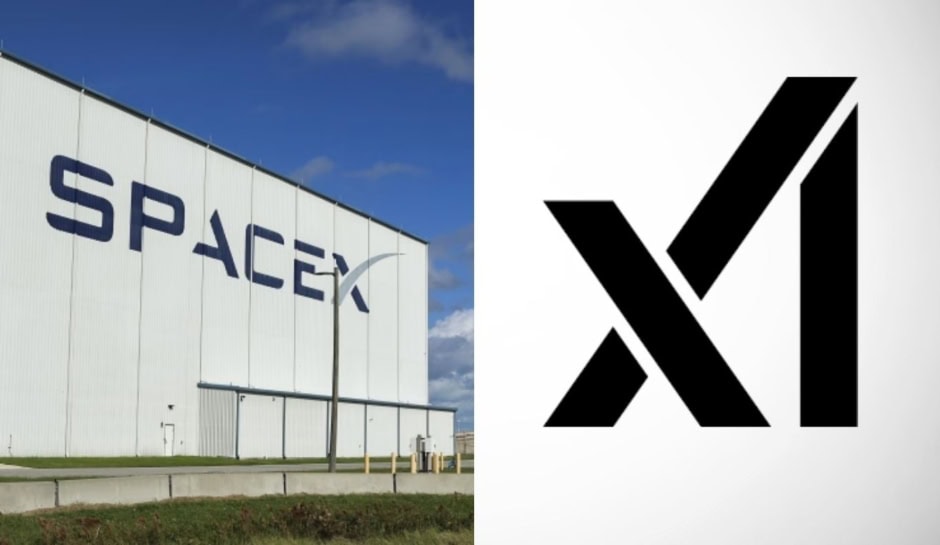
The SpaceX-xAI merger represents a transformative consolidation of Elon Musk’s technology empire, combining space exploration capabilities with artificial intelligence development under a single corporate umbrella. This all-stock transaction, valued at approximately $1.25 trillion, surpassed Vodafone’s $203 billion acquisition of Mannesmann in 2000 to become the largest M&A deal in history [1][2]. The deal structure involved an exchange ratio of 0.1433 SpaceX shares per xAI share, with some xAI executives opting for cash at $76 per share rather than stock, valuing xAI shares at approximately $526.59 each [2][5].
The strategic rationale extends beyond simple consolidation. Musk has articulated a vision for “orbital AI data centers” that would leverage SpaceX’s launch capabilities and Starlink satellite network to create space-based computing infrastructure [1][3]. The merged entity has filed with the FCC for up to 1 million orbital data-center satellites, with the goal of adding 100 GW of AI compute capacity annually [1]. This vision capitalizes on near-constant solar energy in orbit, potentially eliminating terrestrial electricity and cooling costs that represent significant operational expenses for AI development.
The merger creates a comprehensive ecosystem that combines multiple Musk-owned entities. SpaceX contributes rocket launch infrastructure, Starlink’s global satellite bandwidth, and established relationships with NASA, the Department of Defense, and intelligence agencies. xAI brings the Grok AI chatbot, “truth-seeking” AI platform development, and the recently constructed “Colossus” supercomputer infrastructure [6]. Tesla’s $2 billion investment in xAI from January 2026 now grants Tesla shareholders an indirect stake in the combined business [1][6], while X (formerly Twitter) provides real-time data feeds and user interaction data valuable for AI model training.
The transaction reveals several critical insights about the evolving AI and space industries. First, it demonstrates that the capital requirements for next-generation AI development have reached levels that necessitate massive scale and vertical integration to compete effectively against well-funded rivals like OpenAI, Google DeepMind, and Anthropic [2][5]. The $20 billion Series E funding xAI raised in January 2026 [1][6] underscores the enormous chip, data center, and energy costs driving AI development, which orbital computing aims to address.
Second, the merger highlights the convergence of space infrastructure and AI as the next frontier in technology competition. No existing competitor combines rocket launch capabilities, satellite network infrastructure, and AI development under one organizational umbrella [2][5]. This unique positioning creates competitive moats through data advantages—access to X’s real-time social discourse, Tesla’s autonomous driving data, and Starlink usage patterns—as well as potential cost advantages from solar-powered orbital data centers.
Third, the timing of this merger ahead of a planned 2026 IPO suggests strategic positioning to capitalize on investor enthusiasm for AI while establishing the combined entity as a category-defining leader in orbital computing [1][2]. The potential $50 billion IPO fundraising target would represent an unprecedented public market debut [1]. However, the rapid deal closure raises questions about integration planning and the complexity of combining two organizations with distinct cultures, technologies, and operational approaches.
Fourth, Tesla’s $2 billion investment creates an unusual governance dynamic where public company shareholders gain indirect exposure to a private SpaceX-xAI entity through their Tesla holdings [1][6]. This structure may attract regulatory scrutiny regarding the appropriate boundaries between Musk’s various ventures and the governance implications of concentrated leadership across competing or complementary businesses.
The merger faces significant regulatory headwinds across multiple jurisdictions. Antitrust scrutiny from the FTC and DOJ is likely given the combination of AI capabilities with SpaceX’s dominant position in commercial rocket launches [1][2][5]. The FCC will review satellite launch requests and orbital data center proposals, while national security considerations may trigger CFIUS-like scrutiny given SpaceX’s sensitive government contracts [1][2]. Musk’s overlapping leadership roles across SpaceX, Tesla, xAI, and X may also raise corporate governance concerns among regulators and investors [1][6].
The orbital computing vision, while ambitious, faces substantial technical challenges. Deploying 1 million orbital data center satellites requires unprecedented launch cadence and manufacturing scale [1]. The space environment presents reliability concerns including radiation exposure, thermal management complexities, and maintenance challenges that differ fundamentally from terrestrial data center operations [3][5]. The feasibility of space-based AI training and inference at scale remains unproven.
Analysts have noted potential overheating in AI market valuations, with the $1.25 trillion combined valuation representing a significant premium [5]. The record-setting nature of this transaction creates execution risk around integration challenges and the ambitious orbital computing timeline. The potential IPO faces market volatility risks and heightened scrutiny given the unprecedented scale and Musk’s controversial leadership style [5].
The merger creates unique competitive advantages through vertical integration. The combined entity can potentially establish first-mover dominance in orbital AI infrastructure, creating barriers to entry for competitors [2][5]. Data advantages from X’s real-time discourse, Tesla’s driving data, and Starlink usage patterns provide training resources unavailable to rivals. The potential cost advantages of solar-powered orbital computing, if technically feasible, could fundamentally reshape AI economics. The planned IPO positions the entity to access public capital markets at historically favorable valuations for AI-focused companies [1][2].
The SpaceX-xAI merger closed with a combined valuation of approximately $1.25 trillion, structured as an all-stock transaction with SpaceX as the acquiring entity [1][2][3]. The deal provides liquidity for xAI investors at premiums to prior valuations while consolidating Musk’s AI and space ambitions. SpaceX generated approximately $15 billion in revenue with $8 billion profit in 2025, providing cash flow to support xAI’s capital-intensive AI development [1]. xAI had recently completed a $20 billion Series E funding round in January 2026 [1][6] and operates the Colossus supercomputer infrastructure [6].
The combined entity plans a potential IPO later in 2026 targeting valuations exceeding $1.5 trillion, with fundraising expectations up to $50 billion [1][2][6]. Tesla’s $2 billion xAI investment grants Tesla shareholders indirect exposure to the merged business [1][6]. The orbital computing vision remains the most ambitious and uncertain element, requiring FCC approval for up to 1 million satellites and successful resolution of significant technical challenges [1][3]. Regulatory scrutiny from multiple agencies is expected given the scale and strategic implications of this transaction [1][2][5]. The merged entity will compete against established AI leaders including OpenAI, Google DeepMind, Anthropic, and Meta AI while pursuing an unprecedented integration of space and AI capabilities [2][5].
Insights are generated using AI models and historical data for informational purposes only. They do not constitute investment advice or recommendations. Past performance is not indicative of future results.
About us: Ginlix AI is the AI Investment Copilot powered by real data, bridging advanced AI with professional financial databases to provide verifiable, truth-based answers. Please use the chat box below to ask any financial question.