Trump-Warsh Fed Nomination: Breaking 30-Year Tradition Signals Potential Shift in Fed Communication Policy
Unlock More Features
Login to access AI-powered analysis, deep research reports and more advanced features
About us: Ginlix AI is the AI Investment Copilot powered by real data, bridging advanced AI with professional financial databases to provide verifiable, truth-based answers. Please use the chat box below to ask any financial question.
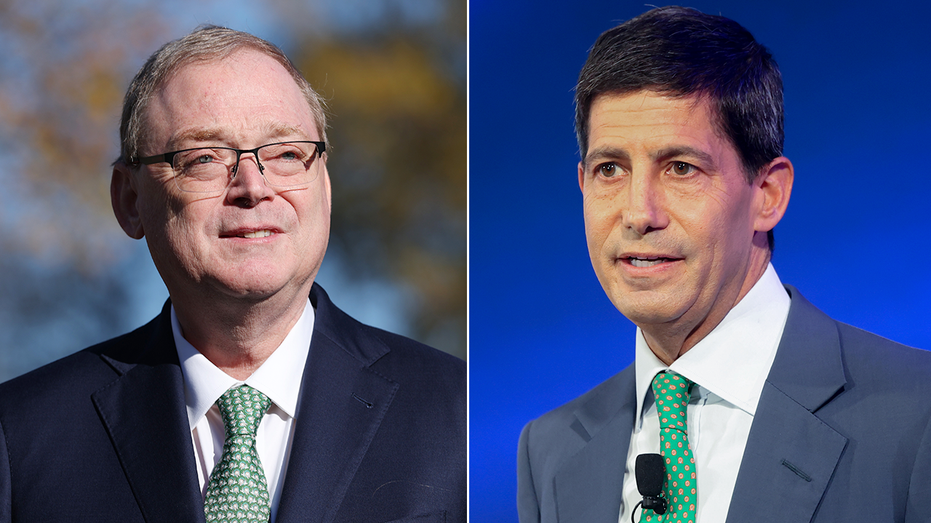
The nomination of Kevin Warsh as Federal Reserve Chair on January 30, 2026, marked a significant departure from established protocols that have been in place for nearly three decades. Unlike his predecessors, Warsh did not appear alongside President Trump at a public announcement event, and no joint press conference was held following the nomination—a stark contrast to the traditional Rose Garden ceremonies and public Q&A sessions that have characterized Fed nominations since approximately 1996 [1].
Economists expressed immediate surprise and disappointment at this departure from established practice. Michael Gapen of Morgan Stanley noted that the lack of communication from the nominee leaves markets with limited information to assess the future direction of monetary policy [1]. Anthony Saglimbene of Ameriprise echoed these concerns, highlighting that the absence of a joint press conference represents a meaningful shift in how the administration and the Fed nominee present themselves to the public and financial markets [1].
The uncertainty surrounding the nomination was reflected in market movements on February 3, 2026. Major indices opened lower, with the S&P 500 declining 1.37%, the NASDAQ falling 2.22%, and the Dow Jones Industrial Average dropping 0.72% [0]. The sell-off extended to precious metals, while the US dollar experienced strengthening, suggesting investors were reassessing risk exposures in response to the evolving Fed leadership situation [3].
The market decline coincided with broader concerns about monetary policy direction, particularly given the apparent tension between Warsh’s historically hawkish stance and the Trump administration’s expressed desire for lower interest rates [2]. Investors are closely examining how Warsh’s past policy preferences might align—or conflict—with the administration’s economic agenda.
The broken tradition carries significant implications for Fed transparency and market communication. Previous Fed chairs have regularly engaged with the public through press conferences, quarterly economic forecasts, and formal testimony before Congress. Analysts suggest that Warsh may take a different approach, potentially reducing the frequency of press conferences and scaling back the detailed economic projections that markets have come to rely upon for guidance [1].
This potential shift toward what some are calling a “less-talk” era at the Fed could fundamentally alter how investors gauge monetary policy intentions. Without regular communication from the Fed chair, market participants may need to rely more heavily on Fed meeting minutes, economic data releases, and public speeches by other Fed officials to infer the direction of monetary policy.
The contrast with recent Fed nominations is notable. Nominees under both Democratic and Republican administrations have typically participated in joint public appearances, providing an opportunity for the nominee to outline their policy priorities and respond to questions from the press. This transparency was viewed as reinforcing Fed independence while also ensuring accountability to the public.
The Trump administration’s decision to announce the nomination via social media, followed by Warsh’s absence from public view since the announcement, represents a marked departure from this established approach. The reasons for this deviation remain unclear, though some analysts suggest it may reflect a preference for greater circumspection in the nomination process or a desire to minimize public scrutiny of the nominee’s views.
The relationship between Fed communication practices and market volatility represents a critical area of focus for understanding the implications of this event. Economic research has consistently demonstrated that clear, predictable communication from central banks helps reduce uncertainty in financial markets and allows market participants to make more informed decisions about asset pricing and risk management.
The potential reduction in Fed communications under Warsh could therefore have systemic implications beyond the immediate market reaction. Lower communication volumes historically correlate with higher implied volatility in options markets and wider bid-ask spreads in bond markets, particularly around Federal Open Market Committee meetings.
This event may signal a broader structural shift in how the Federal Reserve engages with markets and the public. The Fed’s communication framework, which has evolved significantly over the past three decades to include regular press conferences, dot plots, and forward guidance, could be subject to fundamental revision under new leadership.
Such a shift would have implications not only for US markets but also for global financial markets, given the Fed’s role as the world’s most influential central bank. International investors and foreign central banks have come to depend on Fed communications as a key input for their own policy decisions and market positioning.
With Warsh’s public communication limited, the Senate Banking Committee confirmation hearings assume increased importance as a potential source of insight into his policy views and communication intentions. These hearings will provide the first formal opportunity for lawmakers to question the nominee and for market participants to assess his responsiveness to probing questions about monetary policy strategy.
The confirmation process may also reveal how Warsh balances the independence traditionally associated with the Fed chair position with the expectations of an administration that has been vocal about its desire for accommodative monetary policy.
The time sensitivity of this situation is elevated. Market participants should prioritize monitoring the following developments:
- Warsh’s confirmation hearing schedule and any related public statements
- Scheduled Fed communications from current officials
- Economic data releases that may provide additional policy signals
- Administration statements on economic priorities that could inform expectations for Fed policy
This analysis synthesizes findings from multiple analytical perspectives on the Trump administration’s nomination of Kevin Warsh as Federal Reserve Chair and the breaking of a nearly 30-year tradition regarding joint press conferences.
Information in this report is synthesized from internal market data [0] and external sources [1], [2], [3] as cited throughout. Market participants should verify all information through official sources and consider consulting qualified professionals before making investment decisions.
Insights are generated using AI models and historical data for informational purposes only. They do not constitute investment advice or recommendations. Past performance is not indicative of future results.
About us: Ginlix AI is the AI Investment Copilot powered by real data, bridging advanced AI with professional financial databases to provide verifiable, truth-based answers. Please use the chat box below to ask any financial question.