Wall Street Expects Warsh to Accept Fed's Elevated Balance Sheet Despite Prior Criticism
Unlock More Features
Login to access AI-powered analysis, deep research reports and more advanced features
About us: Ginlix AI is the AI Investment Copilot powered by real data, bridging advanced AI with professional financial databases to provide verifiable, truth-based answers. Please use the chat box below to ask any financial question.
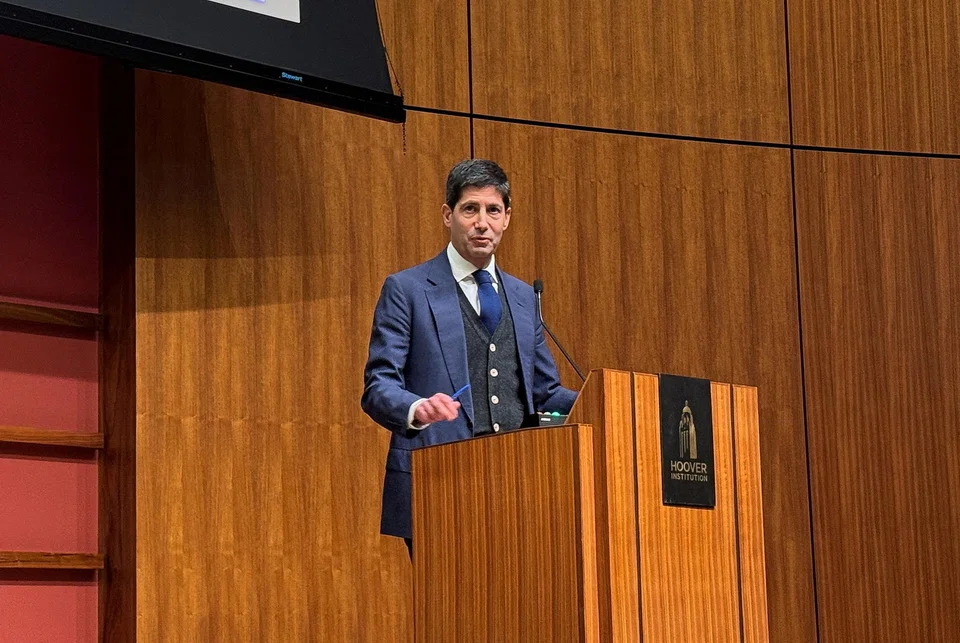
This analysis is based on the MarketWatch report published on February 3, 2026, which examined Wall Street’s expectations regarding Kevin Warsh’s potential approach to Federal Reserve balance sheet policy [1]. The event occurs at a critical juncture in U.S. monetary policy, approximately one month after President Trump’s announcement of Warsh as the nominee to succeed the current Fed chair. The timing is particularly significant given that the Federal Reserve concluded its quantitative tightening program on December 1, 2025, transitioning to a period of balance sheet stabilization [2].
The temporal context reveals a fundamental tension between campaign rhetoric and governing reality. Warsh’s public statements criticizing the central bank’s balance sheet as excessively large occurred prior to his nomination, and market participants now anticipate a more pragmatic approach once he assumes leadership of the institution. This pattern of transition from critical outsider to institutional steward is not unprecedented in Federal Reserve history, but the current macroeconomic environment amplifies the significance of this particular transition.
The Federal Reserve’s balance sheet expansion represents one of the most consequential monetary policy developments of the past two decades. Following the 2008 financial crisis, the Fed launched multiple rounds of quantitative easing, expanding its holdings from approximately $800 billion to a peak of roughly $9 trillion by 2022 [2]. This expansion reflected emergency measures designed to stabilize financial markets and support economic recovery through unconventional monetary tools.
The post-pandemic period brought renewed attention to balance sheet dynamics as inflation surged to multi-decade highs. The Federal Reserve initiated quantitative tightening in 2022, implementing a systematic reduction of approximately $95 billion monthly through a combination of maturing securities runoff and capped reinvestment levels. This process continued until December 2025, resulting in a cumulative reduction of approximately $2.2 trillion from the peak balance sheet level [2].
The current stabilized balance sheet of approximately $6.6-7 trillion remains substantially elevated compared to pre-crisis levels, prompting continued criticism from hawkish policy observers who view the expanded balance sheet as both unnecessary and potentially distorting to market function.
Kevin Warsh’s public record on balance sheet policy provides essential context for understanding the current market expectations. In a May 2025 speech prior to his nomination, Warsh characterized the Federal Reserve’s approximately $7 trillion balance sheet as “trillions larger than it needs to be” [3]. This characterization reflected his broader advocacy for what he termed a “smaller, riskless Fed” that would theoretically enable more conventional monetary policy implementation.
Warsh’s criticism extended beyond mere size concerns to encompass the operational framework governing balance sheet management. He expressed support for potential new arrangements between the Federal Reserve and the Treasury Department that would facilitate gradual balance sheet reduction while maintaining adequate liquidity in the financial system [3]. This policy preference aligned with his broader institutional skepticism regarding the expanded role of the central bank in financial markets.
The disconnect between these publicly stated positions and current market expectations reflects the complex dynamics of Federal Reserve leadership transitions. Market participants interpret Warsh’s expected policy approach through the lens of institutional constraints and political realities rather than solely through his individual policy preferences.
The Federal Reserve’s decision to end quantitative tightening in December 2025 marked a significant shift in monetary policy implementation. Under the current framework, the Fed has adopted a passive reinvestment approach, purchasing Treasury bills to replace maturing securities at a pace of approximately $40 billion monthly [2]. This approach aims to maintain adequate reserves in the banking system while avoiding the active balance sheet expansion associated with quantitative easing programs.
The stabilization strategy reflects concerns about potential liquidity strains that could emerge from continued balance sheet contraction. The Federal Reserve’s balance sheet now serves as a backstop for financial system liquidity, and aggressive reduction could create tensions with the goal of maintaining smooth market function. The Treasury bill reinvestment approach allows for balance sheet maintenance while preserving the option to adjust policy direction as economic conditions evolve.
This framework creates an important constraint for any incoming Fed leadership, including Warsh. The interconnections between balance sheet policy, interest rate transmission, and financial market stability mean that significant shifts in balance sheet approach would have far-reaching implications for monetary policy effectiveness.
The announcement of Warsh’s nomination triggered notable market reactions across multiple asset classes. The U.S. dollar index experienced significant strengthening, reflecting market expectations regarding potential policy direction under new Fed leadership [3]. This dollar appreciation coincided with declines in both precious metals and cryptocurrency markets, with gold falling approximately 9% and cryptocurrency values dropping more than 7% following the nomination announcement [3].
These market movements suggest investor interpretation of Warsh’s nomination as potentially hawkish for monetary policy. However, the current MarketWatch report indicating expectations for balance sheet continuity introduces complexity to this initial market reaction. The appreciation of the dollar may reflect expectations regarding interest rate trajectory rather than balance sheet policy specifically.
Market participants appear to be processing a nuanced policy environment in which Warsh’s individual policy preferences may be constrained by institutional realities and political pressures. The potential for tension between the White House’s desire for accommodative monetary policy and hawkish balance sheet positions creates uncertainty that contributes to market volatility.
The intersection of Federal Reserve balance sheet policy with broader governmental economic objectives reveals complex interdependencies that extend beyond traditional monetary policy boundaries. The current administration has expressed preferences for lower interest rates to support economic growth, yet aggressive balance sheet reduction would potentially counteract rate-cut effects by tightening liquidity conditions [2].
This tension highlights the structural challenges facing Federal Reserve leadership in navigating between multiple policy objectives. Balance sheet shrinkage drains reserves from the banking system, potentially increasing funding costs and reducing the effectiveness of interest rate cuts. Conversely, balance sheet maintenance preserves elevated liquidity levels that may complicate inflation control efforts.
The interaction between monetary policy independence and political pressure represents another critical dimension of this analysis. Historical precedents suggest that Federal Reserve chairs often face pressure to align policy direction with administration preferences, yet institutional norms provide significant insulation from direct political interference. Warsh’s confirmation process may provide indications regarding the boundaries of this independence.
The convergence of multiple factors creates a distinctive policy environment characterized by uncertainty regarding future balance sheet trajectory. Several key insights emerge from integrated analysis of available information.
First, market expectations regarding Warsh’s balance sheet approach reflect pragmatic assessment of institutional constraints rather than simple extrapolation of his public statements. The transition from policy critic to institutional leader typically involves recalibration of priorities and recognition of operational limitations that were not apparent from outside observations.
Second, the current balance sheet stabilization framework appears designed to provide flexibility for incoming leadership while maintaining financial market stability. This approach allows Warsh to potentially pursue balance sheet reduction without immediately reversing established policy, creating space for gradual implementation of any desired changes.
Third, the political dimension of Fed leadership extends beyond traditional monetary policy considerations. The nomination of Warsh occurs within a broader context of administration economic priorities that may create tensions with hawkish policy preferences. Navigating these tensions while maintaining institutional credibility represents a significant challenge for incoming Fed leadership.
Fourth, international considerations influence balance sheet policy options. The global reserve status of the dollar means that Federal Reserve balance sheet decisions have implications beyond domestic monetary policy effectiveness. Coordination with other central banks and attention to international financial market function constrains unilateral policy approaches.
The analysis reveals several risk factors warranting attention from market participants and policy observers. The uncertainty regarding Warsh’s ultimate policy approach creates potential for market volatility as expectations are adjusted during the confirmation process and initial months of leadership. Markets have priced in expectations for balance sheet continuity, yet any indication of more aggressive reduction plans could trigger significant repricing across multiple asset classes.
Liquidity condition changes represent another significant risk dimension. The Federal Reserve’s current approach maintains approximately $40 billion monthly in Treasury bill purchases, creating stable liquidity conditions [2]. A shift toward renewed quantitative tightening would drain reserves and potentially increase funding stress in money markets, with implications for securities financing and short-term borrowing costs.
Political pressure risks deserve careful attention. The potential for tension between White House rate-cut preferences and hawkish balance sheet positions creates uncertainty regarding policy implementation. Market participants should monitor for signs of policy divergence that could affect Fed independence perceptions.
Precious metals and cryptocurrency markets have demonstrated sensitivity to Fed leadership changes, with recent declines reflecting market expectations regarding potential policy direction [3]. Continued volatility in these markets may provide trading opportunities for participants positioned appropriately.
The current policy transition creates opportunities for positioning across multiple dimensions. The expectation of balance sheet continuity suggests that liquidity conditions may remain favorable for risk assets in the near term, providing support for equity market valuations and reducing funding stress concerns.
The stabilization approach adopted by the Fed creates time for assessment of incoming leadership policy preferences. Market participants can use this period to evaluate confirmation hearing statements and develop positioning strategies based on emerging policy indications.
Dollar strength expectations create potential for currency positioning strategies, particularly given the interaction between balance sheet policy expectations and interest rate trajectory. The recent dollar appreciation following Warsh’s nomination may continue if markets interpret his leadership as potentially hawkish.
The following critical data points emerge from integrated analysis of available information sources:
The Federal Reserve’s current balance sheet stands at approximately $6.6-7 trillion, reduced by approximately $2.2 trillion from the peak of roughly $9 trillion achieved in 2022 [2]. This reduction was accomplished through systematic quantitative tightening implemented between 2022 and December 2025.
The current stabilization framework involves monthly Treasury bill purchases of approximately $40 billion to replace maturing securities [2]. This passive approach maintains balance sheet size while providing flexibility for future policy adjustment.
Kevin Warsh’s documented policy positions include characterization of the current balance sheet as “trillions larger than it needs to be” and advocacy for a “smaller, riskless Fed” [3]. He has expressed support for potential new Fed-Treasury arrangements to facilitate gradual balance sheet reduction [3].
Market reactions to the nomination included dollar index strengthening and declines in precious metals and cryptocurrency markets, with gold falling approximately 9% and crypto dropping more than 7% [3].
The Federal Reserve ended quantitative tightening on December 1, 2025, marking a significant shift in monetary policy implementation framework [2].
Wall Street expectations indicate anticipation that Warsh will accept the current elevated balance sheet baseline rather than pursue aggressive quantitative tightening [1].
The convergence of Kevin Warsh’s nomination, Federal Reserve balance sheet stabilization, and market expectations creates a complex policy environment requiring careful monitoring. The tension between Warsh’s documented criticism of the “bloated” balance sheet and Wall Street’s expectations for policy continuity reflects the institutional constraints that shape Fed leadership behavior.
Market participants should anticipate continued uncertainty during the confirmation process and initial months of Warsh’s potential leadership. Any indication of policy deviation from current stabilization approaches could trigger significant market reactions. Conversely, confirmation of expectations for balance sheet continuity would provide support for current risk asset valuations and maintain favorable liquidity conditions.
The critical variables to monitor include confirmation hearing statements regarding balance sheet policy, FOMC meeting minutes for indications of future quantitative tightening decisions, Treasury bill yields and repo rates as early indicators of liquidity conditions, and dollar index momentum as a barometer of market expectations regarding Fed policy trajectory.
The fundamental insight from this analysis is that policy rhetoric often diverges from implementation reality, and market expectations incorporate recognition of institutional constraints. Warsh’s approach to balance sheet policy will ultimately reflect the complex interplay between his individual preferences, institutional requirements, and political pressures, with implications extending across global financial markets.
Insights are generated using AI models and historical data for informational purposes only. They do not constitute investment advice or recommendations. Past performance is not indicative of future results.
About us: Ginlix AI is the AI Investment Copilot powered by real data, bridging advanced AI with professional financial databases to provide verifiable, truth-based answers. Please use the chat box below to ask any financial question.