Federal Reserve Governor Stephen Miran Resigns from White House CEA Post
Unlock More Features
Login to access AI-powered analysis, deep research reports and more advanced features
About us: Ginlix AI is the AI Investment Copilot powered by real data, bridging advanced AI with professional financial databases to provide verifiable, truth-based answers. Please use the chat box below to ask any financial question.
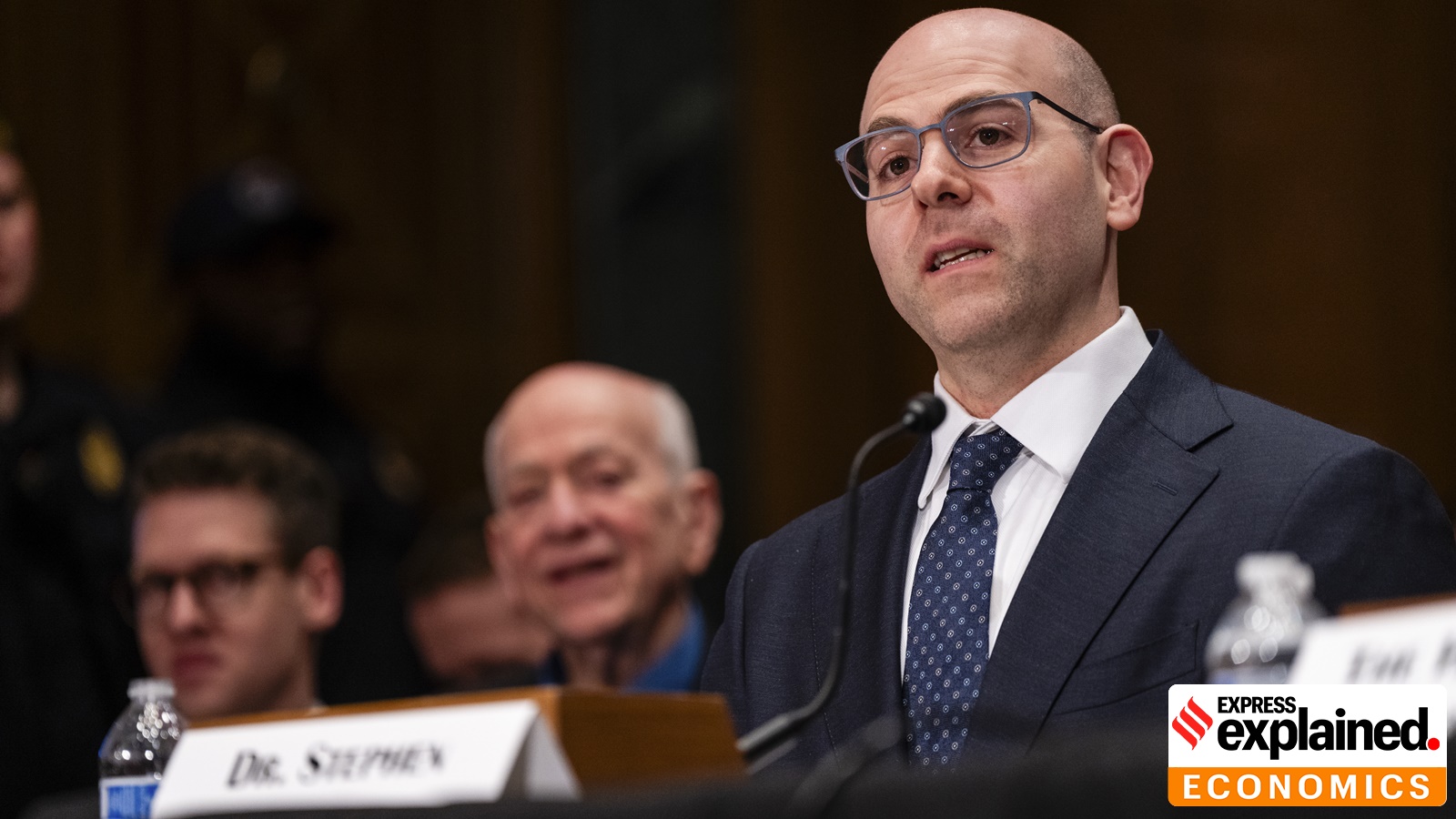
Stephen Miran’s resignation from the Council of Economic Advisers represents a formal separation of his dual roles that had existed since his September 2025 appointment to the Federal Reserve Board of Governors. The timing of this announcement, coming just days after President Trump nominated Kevin Warsh to lead the Federal Reserve, positions this resignation within a broader context of leadership transitions at the central bank [1][2].
The Council of Economic Advisers, a key White House economic policy body, now requires a new chair nomination from the administration. Miran’s departure was expected given his Fed confirmation five months ago, but the formal resignation underscores the governance restructuring underway between the administration and monetary policy institutions [2].
The event carries medium-term significance despite its procedural nature. Miran’s term as Fed governor concluded on January 31, 2026, yet he remains in the position until a replacement is confirmed—a common occurrence during presidential transitions and confirmation delays. This governance gap, combined with the pending Fed chair confirmation and multiple vacant positions, creates an evolving landscape for monetary policy decision-making [2].
His advocacy for aggressive rate cuts—publicly calling for 100-150 basis points of reductions in 2026—represents a dovish stance that contrasts with more hawkish elements within the Fed. The departure of such a vocal policy advocate could influence the trajectory of future deliberations, though any immediate impact is mitigated by his continued service pending a successor [3].
The resignation occurs amid an active period for Fed governance. With Kevin Warsh nominated as the next Fed chair and Miran’s seat becoming vacant, multiple positions on the Federal Reserve Board are in transition. This leadership flux creates uncertainty regarding the future policy direction, particularly given Warsh’s historical positions and the current economic environment [2].
The separation of the CEA and Fed roles also alters the coordination channels between the White House and the Federal Reserve that had existed during Miran’s dual appointment. While such dual-holding is not unprecedented, the formal ending of this arrangement may affect how economic policy perspectives are communicated between institutions.
The Miran resignation illustrates the interconnected nature of economic governance appointments and the potential for policy divergence between executive branch advisors and independent central bankers. His continued Fed service while chairing the CEA created unique bridging potential between monetary and fiscal policy perspectives—a mechanism that has now been dissolved [1][2].
The concurrent leadership transitions at the Fed—chair nomination, Miran’s term expiration, and now his CEA resignation—create a concentrated period of governance change. Historical patterns suggest such transitions can introduce short-term volatility in market expectations as participants reassess policy trajectories [2].
Notably absent from the available reporting is any stated reason for the resignation. While the CEA departure was procedurally expected, the timing and any potential policy disagreements remain undisclosed. Market participants should monitor for subsequent statements from either the White House or Miran himself that might illuminate the circumstances behind this announcement [1].
The leadership transitions create opportunities for new policy perspectives to emerge. Market participants should watch for signals from Kevin Warsh’s confirmation hearings and CEA chair nomination that might indicate the administration’s economic priorities [2].
This analysis synthesizes publicly available information regarding Stephen Miran’s February 3, 2026 resignation from the Council of Economic Advisers. Key data points include his appointment timeline, continued Fed service pending successor confirmation, policy advocacy record, and the broader context of Federal Reserve leadership transitions. All information is derived from official announcements and reputable financial news sources, with no private or non-public data incorporated into this assessment [1][2][3].
Insights are generated using AI models and historical data for informational purposes only. They do not constitute investment advice or recommendations. Past performance is not indicative of future results.
About us: Ginlix AI is the AI Investment Copilot powered by real data, bridging advanced AI with professional financial databases to provide verifiable, truth-based answers. Please use the chat box below to ask any financial question.