Ukraine Peace Negotiations Impact on European Gas and Wheat Futures
Unlock More Features
Login to access AI-powered analysis, deep research reports and more advanced features
About us: Ginlix AI is the AI Investment Copilot powered by real data, bridging advanced AI with professional financial databases to provide verifiable, truth-based answers. Please use the chat box below to ask any financial question.
Based on my analysis of the latest developments in the Ukraine peace negotiations and commodity market dynamics, I can provide you with a comprehensive assessment of how these geopolitical developments may influence European gas and wheat futures markets.
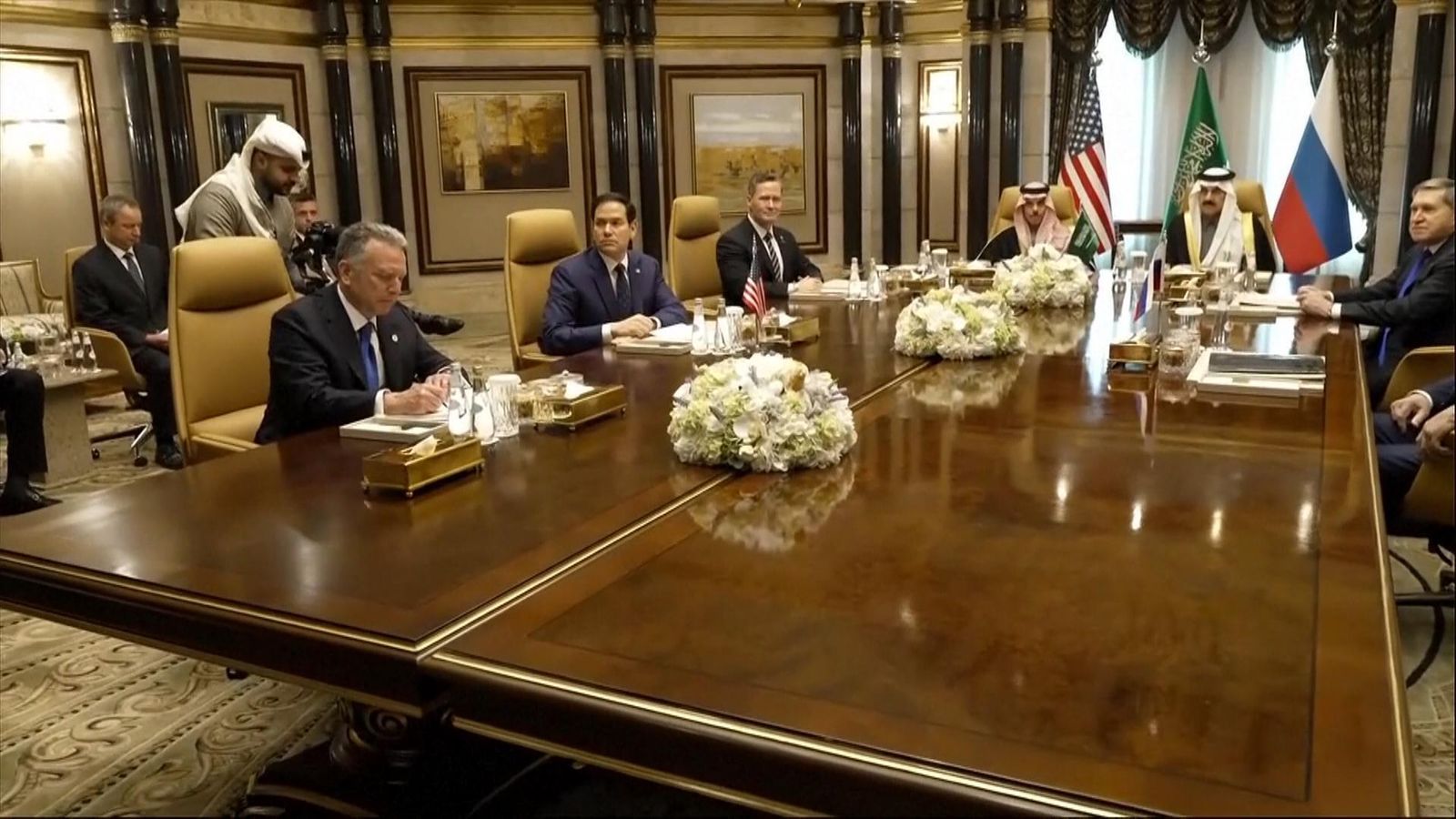
The second round of trilateral negotiations between Ukraine, Russia, and the United States commenced in Abu Dhabi on February 4-5, 2026, with Ukrainian National Security Council Chief Rustem Umerov heading the Ukrainian delegation and Admiral Igor Kostyukov (GRU head) representing Russia [1]. President Volodymyr Zelensky confirmed that negotiations will continue and that a prisoner exchange is expected in the near term, marking a potentially significant diplomatic development in the four-year conflict [1].
European natural gas prices, measured by the Dutch Title Transfer Facility (TTF) benchmark, have experienced substantial volatility since the conflict began but have recently stabilized at significantly lower levels than the 2022 peak. Current TTF front-month prices are trading in the range of
The anticipated prisoner exchange and continued diplomatic engagement have introduced a degree of optimism into the European gas market, though analysts remain cautiously skeptical. Bloomberg reported that European gas posted its first weekly gain in three weeks as optimism over peace efforts began to wane, with benchmark futures gaining 8.2% during one recent weekly period [2]. This pattern suggests the market is highly sensitive to negotiation outcomes and is actively pricing in both scenarios.
The European gas market has incorporated a persistent “risk premium” since 2022, reflecting concerns about potential disruptions to Russian gas supplies, sanctions uncertainty, and the threat of further escalation. According to Energy Aspects analysts, “it is clear that we’re still a long way off from a deal that could be acceptable to all parties” [2]. This assessment indicates that the war-risk premium may remain embedded in prices until a concrete agreement is reached.
A successful peace agreement would fundamentally alter Europe’s energy security calculus. Key considerations include:
- Infrastructure Dependency: Europe’s diversification away from Russian pipeline gas (reducing reliance from approximately 40% pre-war to current levels) has created alternative supply chains through LNG terminals and increased domestic production
- Price Stabilization Potential: Normalization of Black Sea shipping routes could facilitate increased gas flows and reduce price volatility
- Norwegian Maintenance Factors: Near-term supply constraints from Norwegian maintenance activities provide temporary support to prices regardless of negotiation outcomes [2]
The global wheat market remains highly sensitive to Black Sea developments, with both Ukrainian and Russian wheat prices serving as critical benchmarks. As of late January 2026, the pricing environment shows:
| Wheat Type | Price (FOB) |
|---|---|
| Russian Wheat (12.5% protein) | $229–$230/tonne |
| Ukrainian Wheat | $233.5/tonne |
Ukrainian corn production has surged 18% to 24.5 million tonnes in the 2025/26 marketing year, providing robust supply fundamentals [3].
The Black Sea grain market has entered what analysts characterize as “bearish stability”—a fragile equilibrium where ample 2025 harvests meet intensifying logistical risks [3]. This environment creates a baseline for understanding how peace negotiations might influence prices.
-
Peace Agreement Scenario: A comprehensive ceasefire and lasting peace framework would:
- Introduce increased production and competition from the Black Sea region
- Potentially exert downward pressure on global grain prices
- Reduce or eliminate war-risk premiums embedded in freight rates and insurance costs
- Enable the reopening of traditional shipping corridors that have been disrupted since 2022 [4]
-
Continued Conflict Scenario: Without resolution:
- The “Humanitarian Corridor” and “Solidarity Lanes” will remain operational, with over 100 million tonnes of grain already moved through these routes by early 2026
- The market will continue pricing in permanent logistical risk premiums
- Ukrainian exports via rail and river routes (~40% of total grain exports) will maintain supply channels but at higher cost structures [3]
- Russian Grain Quota Decision(scheduled for February 15, 2026): A larger quota could depress wheat prices, while restrictive quotas would provide upward pressure
- Winter Kill Riskin the Volga region may trigger quota tightening and price volatility
- Maritime Ceasefire Potential: A “Board of Peace” scenario could collapse war-risk premiums, lowering freight rates significantly
- Climate Factors: Potential La Niña weather patterns may affect global supply, increasing reliance on Black Sea exports [3]
The European gas and wheat markets, while distinct, share several common sensitivities to the Ukraine conflict:
- Black Sea Infrastructure: Both commodities rely on Black Sea shipping routes, port facilities, and regional transportation infrastructure
- Russian Supply Influence: Russia remains a dominant supplier in both energy and grain markets, giving it significant pricing power
- Sanctions Regimes: Western sanctions on Russian exports affect both sectors, though with different mechanisms and intensities
- European Import Dependency: Europe has worked to reduce vulnerability in both commodity categories through diversification strategies
| Scenario | European Gas (TTF) | Wheat (Global) |
|---|---|---|
Peace Agreement Reached |
€28-32/MWh (downside risk) | $210-225/tonne (bearish) |
Prolonged Negotiations |
€32-38/MWh (volatile) | $225-245/tonne (stable) |
Escalation/Deal Collapse |
€40-50/MWh+ (upside risk) | $250-270/tonne (bullish) |
Given the current negotiation environment, market participants should consider:
- Option Strategies: Utilize options structures to profit from increased volatility regardless of direction
- Spread Trading: Exploit historical correlations between gas and wheat that may temporarily decouple during negotiation phases
- Roll Strategies: Maintain flexibility in contract expirations to adapt to rapid scenario changes
- Basis Opportunities: Monitor basis differentials between FOB (Black Sea) and delivery points as risk premiums adjust
The anticipated prisoner exchange and continued trilateral negotiations represent a potentially significant inflection point for European commodity markets. While a peace agreement remains uncertain—analysts emphasize the substantial gaps between parties on territorial and security guarantees—the very prospect of diplomatic progress has already influenced market pricing.
For European gas, the market appears to have partially priced in peace optimism, with prices settling into a lower trading range. However, the persistence of war-risk premiums suggests significant upside potential if negotiations fail. Wheat markets similarly reflect “bearish stability” with abundant supplies but persistent logistical risk premiums that could collapse rapidly under a favorable diplomatic outcome.
The coming weeks, particularly the February 15 Russian grain quota decision and ongoing Abu Dhabi talks, will be critical in determining the trajectory of both commodity markets. Market participants should maintain vigilance for sudden price movements as negotiation outcomes become clearer, while recognizing that the structural changes in European energy and grain supply chains since 2022 have altered the baseline sensitivity to Black Sea developments.
[1] The Guardian - “Ukraine-Russia talks under way in Abu Dhabi” (https://www.theguardian.com/world/live/2026/feb/04/ukraine-russia-europe-live-eu-us-abu-dhabi-talks-latest-news-europe-live)
[2] Bloomberg - “European Gas Posts Weekly Gain as Ukraine Peace Optimism Wanes” (https://www.bloomberg.com/news/articles/2025-08-22/european-gas-set-for-weekly-gain-as-ukraine-peace-optimism-wanes)
[3] FinancialContent - “The Black Sea Tightrope: 2026 Outlook for Wheat and Corn Amid Geopolitical Shifts” (https://www.financialcontent.com/article/marketminute-2026-1-27-the-black-sea-tightrope-2026-outlook-for-wheat-and-corn-amid-geopolitical-shifts)
[4] Farms.com - “Ukraine-Russian Peace Deal Impact on Grain, Fertilizer and Energy Markets” (https://m.farms.com/ag-industry-news/ukraine-russian-peace-deal-impact-on-grain-fertilizer-and-energy-markets-646.aspx)
Insights are generated using AI models and historical data for informational purposes only. They do not constitute investment advice or recommendations. Past performance is not indicative of future results.
About us: Ginlix AI is the AI Investment Copilot powered by real data, bridging advanced AI with professional financial databases to provide verifiable, truth-based answers. Please use the chat box below to ask any financial question.