Weekly Commentary: Deleveraging Watch – Late-Cycle Market Dynamics and Fed Liquidity Backstop Impact Analysis
Unlock More Features
Login to access AI-powered analysis, deep research reports and more advanced features
About us: Ginlix AI is the AI Investment Copilot powered by real data, bridging advanced AI with professional financial databases to provide verifiable, truth-based answers. Please use the chat box below to ask any financial question.
Related Stocks
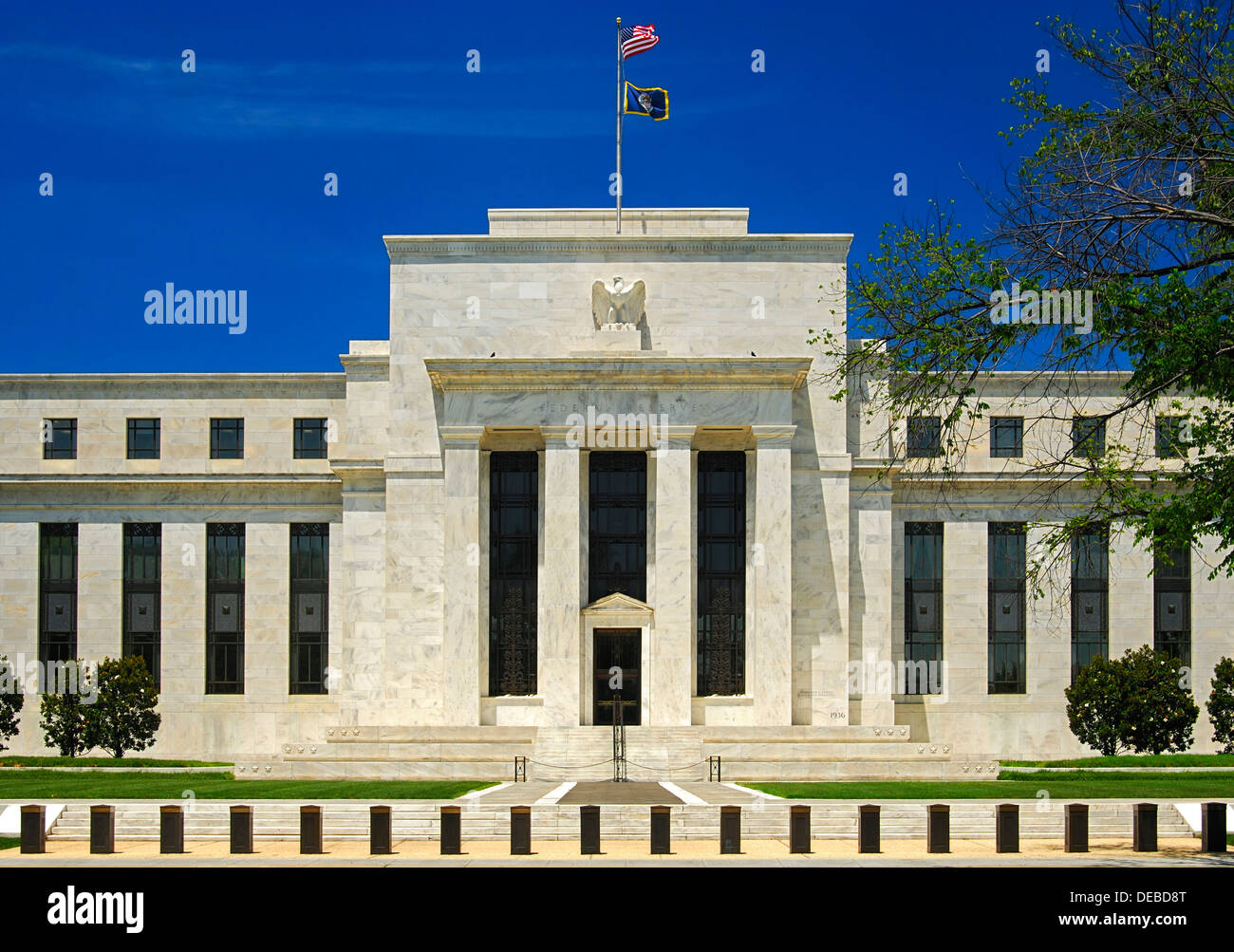
The current market environment is significantly shaped by investor perception of the Federal Reserve’s liquidity backstop capabilities. This psychological framework has become a dominant force in late-cycle trading dynamics, creating what analysts describe as a safety net mentality among market participants [1]. The Fed’s decision to end quantitative tightening in December 2025 has reinforced this perception, providing substantial liquidity relief to financial markets [2].
The implications of this liquidity backstop perception extend beyond mere market support. Market participants are increasingly structuring positions under the assumption that Federal Reserve intervention will prevent severe drawdowns. This behavior pattern introduces potential vulnerabilities should policy expectations shift or should the Fed communicate a more neutral stance. The concentration of positioning around this perception creates asymmetric risk scenarios where sudden perception changes could trigger rapid repositioning.
The President’s tariff ‘pause’ announcement has generated substantial market dislocation, triggering what analysts characterize as a major short squeeze and reversal of existing market hedges [1]. This policy shift represents a significant tactical change that has forced rapid position adjustments across multiple market segments. The speed and magnitude of the reaction underscores the sensitivity of market positioning to trade policy developments.
Short-covering activity following the tariff announcement has contributed to elevated volatility patterns, with the Dow Jones experiencing a 2.21% single-day movement and the Russell 2000 rallying 2.26% [0]. These movements suggest that hedged positions were more prevalent in certain market segments than many participants had anticipated. The unwind dynamics have created momentum in previously out-of-favor areas, particularly in small-capitalization stocks that had faced heightened short interest pressure.
The accumulation of $916 billion (+18%) in money market fund assets represents a significant data point requiring careful interpretation [1]. This substantial flow indicates that a considerable portion of market participants have adopted defensive positioning despite apparent market strength in major indices. The divergence between money market allocations and equity market positioning suggests a bifurcated market outlook where participants maintain optionality for potential dislocations.
These flows reflect institutional and retail investor concerns about late-cycle vulnerabilities, despite the apparent resilience in equity markets. The magnitude of money market accumulation represents historically significant defensive positioning, which could provide future buying power should market conditions stabilize or improve. Conversely, this positioning also indicates that a meaningful segment of market participants perceives elevated tail risks that warrant preservation of capital.
Bloomberg reporting indicates that crowded hedge fund trades, particularly in Treasury positions, face significant strain with potential for rapid unwind dynamics [5]. This positioning vulnerability introduces additional volatility potential into fixed income markets, with spillover effects into related asset classes. The concentration of hedge fund activity in specific instruments creates fragility that can amplify price movements in either direction.
The interaction between Treasury market positioning and broader market dynamics deserves particular attention. When hedge funds face margin pressure or被迫清算 positions, the resulting selling can cascade through related markets. This dynamic has been a contributing factor to recent volatility patterns and may continue to influence market behavior in coming sessions.
The Russell 2000’s performance relative to the S&P 500, including a notable 15-session winning streak versus broader market performance, suggests fundamental shifts in market leadership dynamics [4]. This rotation into small-capitalization stocks may indicate changing risk appetites among market participants or could reflect sector-specific opportunities emerging from current policy environments.
The historic nature of this rotation warrants close monitoring as it may represent a “regime change” in market leadership patterns [4]. If sustainable, this shift could reallocate capital flows toward previously overlooked market segments, creating opportunities and challenges for portfolio positioning. The small-cap leadership emergence coincides with the short squeeze dynamics, suggesting these phenomena may be interrelated rather than coincidental.
Reports of dollar weakness combined with mixed signals from the administration regarding currency policy introduce additional uncertainty for multinational corporations and import/export sectors [3]. The interaction between monetary policy expectations and fiscal policy announcements creates complex dynamics for currency markets, with implications for corporate earnings, competitive positioning, and capital flows.
The currency dimension adds another layer of complexity to market analysis, particularly for companies with significant international revenue exposure. Dollar weakness can provide tailwinds for export-oriented businesses while simultaneously creating headwinds for companies with foreign-denominated costs or debt obligations.
The analysis reveals a complex late-cycle market environment characterized by several intersecting dynamics. Federal Reserve liquidity backstop perception continues to dominate market psychology, while policy-driven events such as the tariff pause have triggered significant repositioning including short-covering and hedge unwinds [1]. Money market fund accumulation of $916 billion indicates substantial defensive positioning among market participants, suggesting elevated concern about tail risks despite apparent market resilience [1].
Market volatility has increased measurably, with daily movements exceeding 1% becoming common across major indices [0]. The Russell 2000’s relative strength and potential regime change in market leadership warrants monitoring for sustainability [4]. Hedge fund positioning strain, particularly in Treasury markets, introduces additional volatility potential that may influence broader market conditions [5].
Currency policy uncertainty and dollar dynamics add complexity for multinational corporations and create cross-asset correlations worth monitoring [3]. The Fed’s decision to end quantitative tightening in December 2025 has provided liquidity relief but may also have contributed to increased risk-taking behavior that could reverse under certain conditions [2].
Information gaps remain regarding specific sector impact from short squeeze dynamics, the intended duration of the tariff pause, and the Federal Reserve’s actual policy intentions versus market perceptions. These gaps introduce uncertainty that market participants should incorporate into risk management frameworks.
Insights are generated using AI models and historical data for informational purposes only. They do not constitute investment advice or recommendations. Past performance is not indicative of future results.
About us: Ginlix AI is the AI Investment Copilot powered by real data, bridging advanced AI with professional financial databases to provide verifiable, truth-based answers. Please use the chat box below to ask any financial question.