Dow Jones Industrial Average Surpasses 50,000 Milestone - Market Analysis
Unlock More Features
Login to access AI-powered analysis, deep research reports and more advanced features
About us: Ginlix AI is the AI Investment Copilot powered by real data, bridging advanced AI with professional financial databases to provide verifiable, truth-based answers. Please use the chat box below to ask any financial question.
Related Stocks
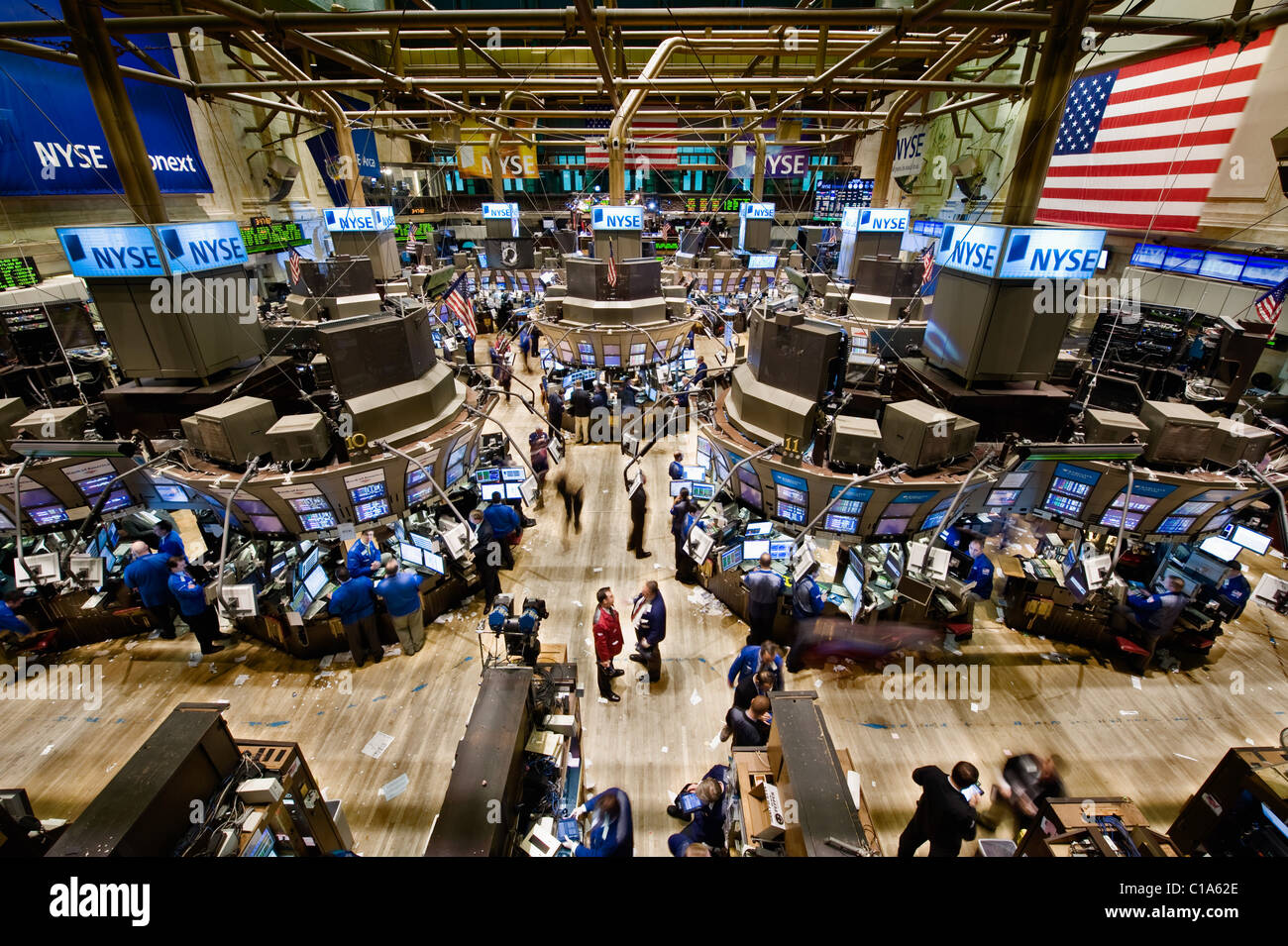
The Dow Jones Industrial Average achieved a historic milestone on February 6, 2026, closing above 50,000 for the first time in its 129-year history at
The rally represented a sharp rebound following a three-day tech selloff that had pressured markets earlier in the week, with trading volume reaching
Sector rotation emerged as a defining characteristic of this milestone. While technology led the rebound—with Nvidia surging
The interest rate environment continued to provide significant support for equity valuations.
AI capital expenditure emerged as a structural tailwind, despite near-term volatility. The Seeking Alpha analysis highlighted continued upside through 2026 fueled by AI CAPEX investments [6]. Amazon’s announcement of approximately
The index’s composition has evolved significantly to reflect the modern economy.
Several cross-domain correlations emerge from this milestone that extend beyond simple price appreciation. First, the Dow’s advance reflects not just technology sector strength but genuine broadening of market participation across sectors—a development that technical analysts view as healthier market internals compared to narrow, concentration-driven rallies [1][4]. The synchronized gains across real estate, utilities, healthcare, and financials alongside technology suggest diversified investor confidence rather than speculative concentration.
Second, the index crossing 50,000 carries significant psychological weight that historically correlates with sustained positive momentum. The rapid transitions between major milestones—40,000 to 50,000 occurring within approximately 21 months compared to the 40-month journey from 30,000 to 40,000—reflects accelerating valuation expansion driven by falling discount rates and growth expectations [2].
Third, the price-weighted calculation methodology of the Dow means individual stock movements have outsized impact on the index. Nvidia’s +7.87% single-day gain contributed disproportionately to the milestone, illustrating how index composition changes have increased the Dow’s sensitivity to mega-cap technology performance [0]. This concentration risk warrants monitoring as investors assess index-level exposure.
Fourth, corporate earnings fundamentals remain solidly supportive.
The evolution of the Dow’s composition—from traditional industrial names toward technology leaders—represents a structural transformation in how American economic strength is measured and represented. The inclusion of Amazon and Nvidia reflects the reality that AI, cloud computing, and digital infrastructure have supplanted traditional manufacturing as primary drivers of corporate profitability and market capitalization.
The Dow Jones Industrial Average’s breakthrough above 50,000 represents a significant psychological and technical milestone, reflecting broader market strength beyond technology sector dominance [0][1]. Key data points include the February 6, 2026 closing level of 50,115.68, daily gain of +2.21%, and trading volume of 775.49 million shares—44% above the 30-day average [0].
The rally appears supported by improving earnings growth, falling interest rates, and sector rotation into industrials and financials alongside technology leadership [1][4]. Key stock contributors included Nvidia (+7.87%), Caterpillar (+7.06%), Goldman Sachs (+4.31%), Tesla (+4%), and Microsoft (+2%) [0]. Notable sector performance showed Real Estate (+3.07%) and Utilities (+1.83%) leading, while Basic Materials (-1.13%) and Energy (-0.26%) lagged [4].
The index composition changes—Nvidia replacing Intel in late 2024 and Amazon joining in early 2024—have increased the Dow’s technology sector weighting and sensitivity to AI-related developments [2][5]. Current risk factors include elevated valuations, geopolitical tensions, and tech sector volatility, while opportunity factors center on sector rotation momentum, favorable rate expectations, and sustained AI capital expenditure [1][7].
Information gaps remain regarding detailed index composition impact analysis, the exact Federal Reserve policy trajectory, long-term AI investment returns, and comprehensive tariff economic impact assessment. These uncertainties suggest investors should maintain prudent risk management while recognizing the genuine structural improvements in corporate earnings and economic resilience that support current valuations [1][3].
Insights are generated using AI models and historical data for informational purposes only. They do not constitute investment advice or recommendations. Past performance is not indicative of future results.
About us: Ginlix AI is the AI Investment Copilot powered by real data, bridging advanced AI with professional financial databases to provide verifiable, truth-based answers. Please use the chat box below to ask any financial question.