Analysis: The Reshaping of Global Energy Supply Chains and Commodity Markets Amid Escalating Drone Warfare in the Russia-Ukraine Conflict
Unlock More Features
Login to access AI-powered analysis, deep research reports and more advanced features
About us: Ginlix AI is the AI Investment Copilot powered by real data, bridging advanced AI with professional financial databases to provide verifiable, truth-based answers. Please use the chat box below to ask any financial question.
Now I have comprehensive data to provide a detailed analysis. Let me compile this into a systematic report on how the escalation of drone warfare and infrastructure strikes in the Russia-Ukraine conflict is reshaping global energy supply chains and commodity markets.
The intensification of drone warfare and targeted infrastructure strikes in the Russia-Ukraine conflict has entered a new, more destructive phase in early 2026, with profound implications for global energy supply chains and commodity markets. Russian forces have unleashed devastating attacks on Ukraine’s power grid and gas infrastructure, while Ukraine’s counteroffensive against Russian oil facilities has inflicted an estimated $13 billion in damages on Moscow’s energy sector during 2025 alone [1][2]. These developments are fundamentally restructuring global energy flows, accelerating renewable energy transitions, and creating lasting shifts in commodity trading patterns that will persist well beyond any potential ceasefire or peace settlement.
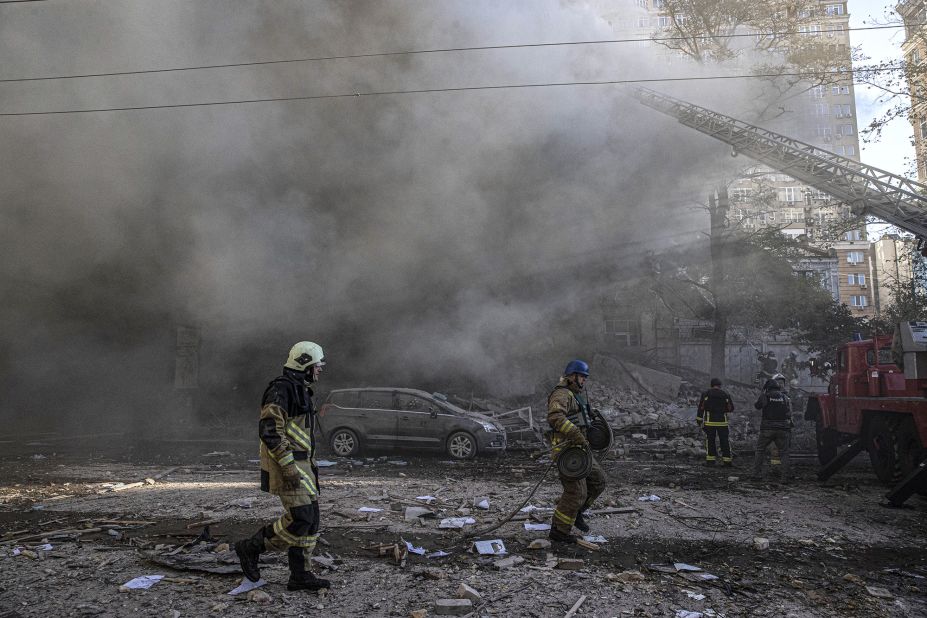
According to recent reports, on February 9, 2026, Russian forces conducted one of their most intensive aerial assaults of the year, deploying 71 missiles and 450 drones against Ukrainian energy infrastructure across the Zaporizhzhia, Kherson, Kharkiv, and Donetsk regions [3]. This attack represented a significant escalation in Russia’s winter campaign aimed at crippling civilian infrastructure when heating demands are highest. The strikes targeted power plants, substations, and gas facilities, resulting in nationwide blackouts affecting tens of thousands of civilians during sub-zero temperatures.
The strategy of targeting energy infrastructure is not new to this conflict. Russia began systematic attacks on Ukraine’s electrical grid and gas facilities in the early months of the invasion, deliberately escalating these strikes during winter periods to maximize humanitarian impact on heating systems, hospitals, water supplies, and transportation networks [3]. Ukraine’s pre-war energy generation capacity of approximately 60 gigawatts has been severely degraded, forcing the country to scramble for emergency power solutions while simultaneously planning long-term infrastructure diversification.
Ukraine’s response has been equally significant in its economic impact. Ukrainian forces carried out approximately 160 successful strikes on Russian oil production and refining facilities throughout 2025, according to statements from Ukrainian security service chief Vasyl Maliuk [1]. The insurance broker Mains reported that Russian oil companies suffered direct and indirect losses exceeding 1 trillion rubles (approximately $12.9 billion) during 2025 [2]. The average number of drones launched by Ukraine against Russian targets increased to approximately 3,700 per month in 2025, with December marking the most extensive campaign against Russia’s energy sector since the full-scale invasion began [1].
Specific incidents include strikes on critical export infrastructure such as the Ust-Luga oil terminal, where exports were cut by half following drone attacks that damaged pipeline facilities [1]. Ukraine’s long-range strikes on oil infrastructure have collectively shaved an estimated $74 billion from Russian energy revenues, according to Bloomberg estimates [1]. The direct financial damage to oil and gas facilities from these strikes exceeded 100 billion rubles (approximately $1.1 billion) [1].
The disruption to Russian oil exports through drone strikes has created measurable ripples through global oil markets. Bloomberg analysis indicates that Ukrainian strikes have deepened supply risks for the Russian energy sector, with the implied war premium on Brent crude remaining elevated [4]. Bloomberg New Energy Finance (BNEF) estimates that Brent’s implied war premium reached $31 per barrel immediately following Russia’s February 2022 invasion, and while this premium has fluctuated, the ongoing disruptions continue to support elevated price baselines [4].
Goldman Sachs projects oil prices could drift lower in 2026 due to anticipated supply increases, though geopolitical risks tied to Russia, Venezuela, and Iran remain significant upside risks [5]. BNEF’s more bullish scenario projects Brent could hit $91 per barrel in late 2026 if Iranian disruption combines with sustained Russian supply constraints [4]. The IEA has cut its demand forecasts while maintaining that the continuation of Russia-Ukraine hostilities keeps restrictions on Russian crude in place, providing structural support for prices [5].
The drone attacks have accelerated what was already a major restructuring of global oil trade flows. Russian oil, once destined primarily for European markets, has been redirected to India, China, and other Asian destinations through discounted sales. Simultaneously, Europe has dramatically increased imports from the Middle East, the United States, and other producers to fill the void left by Russian supplies.
The targeting of specific refineries and export terminals has created localized supply concerns. The damage to infrastructure such as the Ust-Luga terminal has disrupted exports of Urals crude to European destinations, while simultaneously complicating Russia’s ability to redirect these flows to Asian markets through more expensive maritime routes [1]. These infrastructure vulnerabilities have introduced a new form of energy weaponization, where precision strikes can have outsized market impacts relative to their physical damage.
Perhaps no region has undergone a more dramatic energy market transformation than Europe. The EU gave approval on January 26, 2026, to completely cut Russian liquefied natural gas (LNG) by the end of 2026 and pipeline gas by 2027 [6]. This policy decision reflects both political imperatives and the successful diversification of supply sources that has occurred since 2022.
The IEA’s latest quarterly Gas Market Report highlights that growth in global natural gas demand is set to accelerate in 2026 as the LNG wave spreads through markets [7]. New LNG capacity coming online in North America has been by far the largest driver of the global increase, pushing global LNG supply into double-digit growth in the second half of 2025 and contributing to falling spot prices in both Europe and Asia [7].
European TTF gas prices averaged $11.8 per MMBtu in January 2026, elevated from $9.5 per MMBtu in December 2025, driven by winter demand and ongoing geopolitical concerns [8]. However, these prices remain significantly below the peaks of over $300 per MMBtu reached in 2022, demonstrating the success of Europe’s diversification strategy. Norway has emerged as the leading gas supplier to the EU, commanding a 33.6% market share, followed by the United States at 16.7%, while Russia’s share has declined to approximately 18.8% [9].
The physical infrastructure to support this transformation has expanded dramatically. European nations have invested heavily in LNG import terminals, floating regasification units, and interconnectors to reduce dependence on Russian pipeline gas. This infrastructure buildout represents a permanent reorientation of European energy supply chains, as these multi-billion-dollar investments create lock-in effects that will persist for decades.
The European gas import mix has fundamentally shifted, with pipeline imports from Russia declining while LNG imports from the United States, Qatar, and other producers have filled the gap [9]. This restructuring has created new trade routes, shipping patterns, and contractual relationships that constitute a permanent realignment rather than a temporary wartime measure.
The conflict’s impact extends well beyond energy markets to agricultural commodities, where Ukraine and Russia together account for significant shares of global wheat, barley, corn, and sunflower oil exports. Ukraine’s 2025-26 wheat exports are projected at 14.5 million metric tons (MMT), a reduction from earlier estimates of 16.7 MMT due to logistical constraints and production challenges [10].
Ukraine’s wheat harvest for 2025-26 is expected to increase 4% from the previous season to approximately 23.5 million tonnes, with barley production holding steady at 5.3 million tonnes [11]. However, the trade routes for these exports have shifted dramatically. The traditional Black Sea shipping routes have become unreliable, forcing Ukraine to develop alternative export pathways through Romania, Poland, and other European nations.
The reorientation of grain flows has created both challenges and opportunities for global agricultural markets. Food-importing nations in the Middle East and Africa, traditionally reliant on Ukrainian and Russian wheat, have diversified their supplier bases, creating new trade relationships with the European Union, Argentina, and other producing regions [12]. These shifts may prove persistent even after the conflict ends, as new contractual relationships and logistics infrastructure become entrenched.
The conflict has also affected markets for strategic commodities including fertilizers, rare earth elements, and industrial metals. Russia and Belarus are significant producers of potash and other fertilizer inputs, while Ukraine is a major exporter of neon gas used in semiconductor manufacturing. The disruption to these supply chains has contributed to ongoing inflation pressures in agricultural inputs and industrial production costs.
The destruction of traditional fossil fuel infrastructure has paradoxically accelerated Ukraine’s transition to renewable energy. According to the Solar Energy Association of Ukraine, the nation installed at least 1.5 gigawatts of new solar generation in 2025—enough to power approximately 1.1 million homes [13]. Grid operators intend to almost double the country’s renewable energy production over the next four years, representing a fundamental diversification of energy sources.
This pivot to decentralized power generation—from solar panels to wind turbines—serves both immediate wartime resilience needs and longer-term climate and economic objectives [13]. The logic is straightforward: distributed renewable energy systems are less vulnerable to the type of concentrated infrastructure strikes that have crippled Ukraine’s conventional power grid. Small-scale solar installations and battery storage systems cannot be easily targeted by missiles and drones in the same way that large power plants and transmission substations can.
The European Union’s REPowerEU plan, launched in response to the energy crisis triggered by the conflict, has accelerated investments in renewable energy, hydrogen infrastructure, and energy efficiency [14]. The plan’s objectives reflect European public sentiment regarding energy dependence on Russia, driving policy support for green transition investments that will continue regardless of how the conflict evolves.
The EU’s External Energy Strategy now emphasizes diversification and long-term partnerships with reliable suppliers, including collaboration on hydrogen and other green technologies [14]. This strategic reorientation suggests that the energy market restructuring may prove more durable than previous periods of geopolitical tension, as the investments and policy frameworks being put in place create structural rather than cyclical changes.
The escalation of drone warfare against energy infrastructure has introduced a new vulnerability into global energy systems. Precision strikes on refineries, pipelines, and terminals can now inflict billions of dollars in damage with relatively low-cost weapons systems. This asymmetry has fundamentally changed the calculus of energy security for nations worldwide.
Countries are responding by pursuing multiple parallel strategies: building strategic petroleum reserves, accelerating domestic production where feasible, investing in renewable energy to reduce import dependence, and developing more diversified supply chains. These investments represent a structural increase in global energy supply costs, as redundancy and security command premiums over the efficiency optimization that characterized pre-conflict energy markets.
The conflict has contributed to the fragmentation of global energy markets into competing spheres of influence. Russian hydrocarbons increasingly flow eastward to China and India, while European markets have reoriented toward Atlantic Basin suppliers and domestic renewables. This fragmentation creates efficiency losses but also reduces systemic risk by reducing concentration in any single supply chain.
The risk premiums embedded in energy prices reflect these structural changes. Even if a ceasefire were reached in 2026, the infrastructure investments, contractual relationships, and policy frameworks established during the conflict years would continue to shape market outcomes. The “peace dividend” that some analysts anticipate may prove smaller than expected, as the de-risking of energy supply chains becomes a permanent feature of the global economy.
The restructuring of energy markets creates distinct winners and losers across sectors. LNG producers in the United States, Qatar, and Australia benefit from Europe’s diversification away from Russian pipeline gas. Renewable energy equipment manufacturers see accelerated demand driven by energy security imperatives. Defense contractors specializing in air defense systems and counter-drone technology experience elevated order books.
Conversely, traditional energy companies with significant Russian exposure face asset impairments and strategic uncertainty. Shipping companies dependent on established routes between Russian ports and European destinations must adapt to new trade patterns. Energy-intensive industries that benefited from pre-conflict cost structures face margin pressures from higher input costs and supply chain complexity.
For investors and businesses assessing exposure to Russia-Ukraine conflict developments, several key indicators warrant monitoring:
The most probable scenario through 2026 involves continued hostilities at current or modestly escalated intensity, with energy markets adapting to chronic supply disruptions rather than experiencing acute shocks. Under this scenario, oil prices remain in the $75-85 per barrel range for Brent, European gas prices stabilize in the $10-14 per MMBtu range, and agricultural commodity prices reflect ongoing but manageable supply constraints.
If diplomatic efforts lead to a significant de-escalation or ceasefire, some normalization of energy flows could occur. Russian exports might partially return to European markets, LNG demand would moderate, and agricultural trade routes through the Black Sea could reopen. However, the infrastructure investments and supplier relationships established during the conflict years would persist, limiting the extent of any “return to normalcy.”
A significant escalation of infrastructure attacks—either Russian strikes that further devastate Ukrainian energy systems or Ukrainian strikes that inflict severe damage on Russian export infrastructure—could trigger acute market disruptions. Oil prices could spike above $100 per barrel, European gas prices could retest 2022 highs, and agricultural commodity markets could experience sharp volatility.
The escalation of drone warfare and infrastructure strikes in the Russia-Ukraine conflict represents a fundamental inflection point for global energy markets and commodity supply chains. The $13+ billion in damage inflicted on Russian oil infrastructure by Ukrainian strikes in 2025, combined with the devastating attacks on Ukrainian power systems, has created structural changes that will persist regardless of how the conflict ultimately resolves [1][2].
European energy markets have undergone their most significant transformation since the oil crises of the 1970s, with LNG replacing Russian pipeline gas as the continent’s primary flexible supply source [6][7]. Agricultural trade flows have permanently shifted, with new routes and supplier relationships becoming entrenched [10][11]. Ukraine’s pivot to distributed renewable energy systems represents both a wartime adaptation and a long-term strategic reorientation [13].
For market participants, the key insight is that these changes reflect structural rather than cyclical factors. The investments in infrastructure, the development of new trade relationships, and the policy frameworks supporting energy security and diversification all create durable market distortions. Even in the event of a ceasefire or peace settlement, the global energy system will not simply revert to its pre-2022 configuration. The “great recalibration” of energy and commodity markets that began with Russia’s invasion continues to unfold, with significant implications for pricing, risk assessment, and strategic planning across the global economy.
[1] United24Media - “Ukraine’s Drone Campaign Dealt $13 Billion Blow to Russia’s Oil Industry in 2025” (https://united24media.com/latest-news/ukraines-drone-campaign-dealt-13-billion-blow-to-russias-oil-industry-in-2025-15782)
[2] The Moscow Times - “Ukrainian Strikes Cost Russian Oil Sector Over $13Bln in 2025, Insurers Say” (https://www.themoscowtimes.com/2026/02/09/ukrainian-strikes-cost-russian-oil-sector-over-13bln-in-2025-insurers-say-a91894)
[3] Military.com - “Russia Pounds Ukraine Power Grid, Blackouts Spread” (https://www.military.com/daily-news/headlines/2026/02/09/russia-pounds-ukraine-power-grid-blackouts-spread.html)
[4] Bloomberg New Energy Finance - “Oil Can Hit $91 a Barrel in Late 2026 on Iran Disruption” (https://about.bnef.com/insights/commodities/oil-can-hit-91-a-barrel-in-late-2026-on-iran-disruption/)
[5] Reuters - “Goldman projects lower oil prices in 2026 as supply swells” (https://www.reuters.com/business/energy/goldman-projects-lower-oil-prices-2026-supply-swells-2026-01-12/)
[6] S&P Global - “Credit FAQ: How Diverted Russian Gas Could Affect Asian Energy Markets” (https://www.spglobal.com/ratings/en/regulatory/article/credit-faq-how-diverted-russian-gas-could-affect-asian-energy-markets-br--s101669097)
[7] IEA - “Growth in global demand for natural gas is set to accelerate in 2026 as LNG wave spreads through markets” (https://www.iea.org/news/growth-in-global-demand-for-natural-gas-is-set-to-accelerate-in-2026-as-lng-wave-spreads-through-markets)
[8] Substack/Anas Alhajjie - “Escalating Winter Storm Effects: Natural Gas Prices Face Bigger…” (https://anasalhajjieoa.substack.com/p/escalating-winter-storm-effects-natural?utm_source=substack&utm_medium=email&utm_content=share&action=share)
[9] Reuters - LNG-Europe graphics and European gas supply data (https://www.reuters.com/graphics/LNG-EUROPE/zgvojykqgpd/chart.png)
[10] The Western Producer - “AM Market Report – February 10, 2026” (https://www.producer.com/am-market-reports/am-market-report-february-10-2026/)
[11] World Grain - “Ukraine expected to harvest 4% more wheat in 2025-26” (https://www.world-grain.com/articles/22388-ukraine-expected-to-harvest-4-more-wheat-in-2025-26)
[12] War on the Rocks - “The New Food Powers: How China and Russia Are Filling America’s Retreat” (https://warontherocks.com/2026/01/the-new-food-powers-how-china-and-russia-are-filling-americas-retreat/)
[13] Yale Environment 360 - “How Ukraine Is Turning to Renewables to Keep Heat and Lights On” (https://e360.yale.edu/features/ukraine-war-renewable-energy)
[14] EUcalls - “3 Critical Components of the REPowerEU Plan” (https://eucalls.net/blog/repowereu-plan-components-and-calls)
Insights are generated using AI models and historical data for informational purposes only. They do not constitute investment advice or recommendations. Past performance is not indicative of future results.
About us: Ginlix AI is the AI Investment Copilot powered by real data, bridging advanced AI with professional financial databases to provide verifiable, truth-based answers. Please use the chat box below to ask any financial question.