EU Tariffs on China-Made Electric Vehicles: Tariff Structure, Exemption Framework, and Market Implications
Unlock More Features
Login to access AI-powered analysis, deep research reports and more advanced features
About us: Ginlix AI is the AI Investment Copilot powered by real data, bridging advanced AI with professional financial databases to provide verifiable, truth-based answers. Please use the chat box below to ask any financial question.
Related Stocks
The European Commission’s imposition of countervailing duties on China-manufactured electric vehicles represents a significant development in global trade policy with far-reaching implications for the automotive industry. These definitive duties, effective since October 2024 for a five-year period, stem from the Commission’s anti-subsidy investigation that concluded Chinese EV manufacturers received unfair state subsidies, creating an uneven playing field for European competitors [1].
The tariff structure reveals a carefully calibrated approach to addressing perceived trade distortions while maintaining market access. The rates are differentiated based on each manufacturer’s level of cooperation with the investigation and the specific findings regarding subsidy benefits received. Tesla’s Shanghai operations received the most favorable rate at 7.8%, reflecting an individually calculated assessment following the company’s specific request for review [1]. This rate is notably lower than those applied to domestic Chinese manufacturers, potentially providing Tesla with a competitive advantage in pricing strategy within the European market.
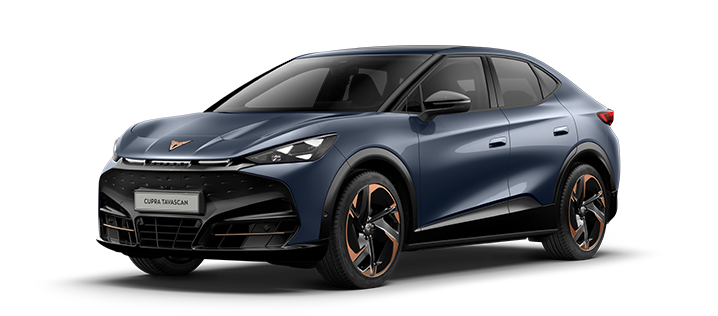
The exemption framework announced in February 2026 introduces a new dimension to the trade policy, allowing automakers to negotiate tariff relief for individual electric vehicle models. Volkswagen’s successful negotiation for the Cupra Tavascan, resulting in a 0% exemption, establishes a template that other manufacturers are likely to pursue [1]. This pathway requires minimum price commitments and adherence to annual import quotas, effectively creating a managed trade approach that balances trade enforcement with market access considerations.
The differentiated impact on various market participants reflects the complex interplay between trade policy and competitive dynamics. SAIC Group faces the most severe burden with a total duty exposure of 45.3% when combining the 35.3% additional duty with the standard 10% base duty [1][2]. This significant cost differential may force SAIC to either absorb substantial margins, implement price increases that could affect competitiveness, or accelerate plans for European-based production. BYD and Geely face total rates of 27.0% and 28.8% respectively, positioning them in a middle tier that may be more manageable but still represents meaningful cost pressure [2].
The emergence of per-model exemption negotiations fundamentally changes the strategic landscape for automakers operating in the China-EU EV supply chain. European manufacturers with production facilities in China, such as Volkswagen, BMW, and Renault, now have a clear pathway to mitigate tariff impacts on specific models, provided they can structure deals meeting the Commission’s requirements for price commitments and import volumes [1]. This creates a bifurcated market where negotiated exemptions become a key competitive tool.
Tesla’s advantageous tariff position merits particular attention. The company’s 7.8% rate stems from an individual assessment that recognized the specific nature of its operations in Shanghai, distinct from the broader Chinese automotive industry [1]. This rate, combined with Tesla’s brand strength and production capabilities, positions the company favorably against domestic Chinese competitors who face significantly higher duty rates. The competitive implications within the Chinese EV segment of the European market could be substantial.
The exemption negotiation process introduces significant strategic considerations for automakers. Each model must be evaluated on its merits for exemption consideration, with factors including import volume potential, pricing strategy, and margin resilience playing into the decision to pursue negotiations. The case-by-case nature of these decisions creates uncertainty while simultaneously establishing a new dimension of trade diplomacy between automakers and the European Commission.
The broader supply chain implications extend beyond finished vehicles. Component suppliers, battery manufacturers, and technology providers with China-based operations face their own exposure to evolving trade policies. The current tariff framework focuses on finished vehicles, but the precedent established could influence future policy decisions affecting the broader EV ecosystem.
The Chinese automotive industry faces substantial profitability risks from the tariff structure, with SAIC’s 45.3% total duty representing a particularly severe challenge [1][2]. Companies may face difficult decisions regarding cost absorption versus price increases, with both approaches carrying significant risks. Price increases could reduce competitiveness in a price-sensitive market segment, while cost absorption would directly impact margins and potentially affect investment capacity for future development.
Supply chain restructuring risks are escalating as manufacturers evaluate long-term production strategies. The current tariff regime, combined with the exemption pathway, creates incentives for manufacturers to consider European-based production facilities to circumvent duties entirely. However, such transitions require substantial capital investment and timeline measured in years, creating a period of uncertainty during which strategic decisions may be delayed or complicated by evolving policy landscapes.
The risk of Chinese countermeasures remains a significant concern. Previous trade disputes have demonstrated China’s willingness to implement retaliatory measures on European goods, particularly in agricultural and luxury goods sectors [1]. The potential for escalation introduces additional uncertainty that affects not only the automotive sector but also broader EU-China economic relations.
The exemption negotiation pathway creates a tangible opportunity for European automakers with Chinese production to significantly reduce their tariff burden. Volkswagen’s success with the Cupra Tavascan demonstrates that 0% exemptions are achievable under the right circumstances [1]. Other manufacturers can now pursue similar arrangements, potentially transforming their cost structures in the European market.
Tesla’s favorable tariff position presents an opportunity to gain market share within the European EV market. The 7.8% additional duty translates to a total of 17.8%, compared to rates exceeding 27% for major Chinese competitors [2]. This differential provides pricing flexibility or margin advantage that could be leveraged for competitive positioning.
The tariff framework also creates opportunities for European-based manufacturing. As manufacturers seek to minimize tariff exposure, increased investment in European production facilities becomes more attractive. This could benefit European industrial development, employment, and supply chain maturation in the EV sector.
The European Union’s tariff regime on China-manufactured electric vehicles comprises a definitive countervailing duty structure implemented in October 2024 for a five-year period. The additional duties range from 7.8% for Tesla (Shanghai) to 35.3% for SAIC Group and non-cooperating companies, with a standard 10% base duty applying to all imports [1][2].
The exemption framework allows individual model negotiations, with Volkswagen’s Cupra Tavascan achieving 0% exemption through minimum price commitment and import quota arrangements [1]. BYD faces a total rate of 27.0%, Geely faces 28.8%, and other cooperating companies face rates around 30.7% [2]. Tesla’s individually calculated 7.8% rate reflects the company’s specific request for review and the unique characteristics of its Shanghai operations.
Market reaction in US indices showed modest volatility during the announcement period, with the S&P 500 declining 0.47% and the NASDAQ falling 0.73% on February 10, 2026, suggesting no immediate dramatic market overreaction to the tariff developments [0]. The broader financial markets appear to be processing these trade policy developments with measured response, reflecting the nuanced and differentiated impact across various market participants.
The policy framework creates a structured environment where manufacturers can pursue tariff mitigation through negotiation while maintaining the underlying trade enforcement mechanism. This approach balances trade remedy objectives with market access considerations, establishing a model that may influence future trade policy approaches in the electric vehicle sector and beyond.
Insights are generated using AI models and historical data for informational purposes only. They do not constitute investment advice or recommendations. Past performance is not indicative of future results.
About us: Ginlix AI is the AI Investment Copilot powered by real data, bridging advanced AI with professional financial databases to provide verifiable, truth-based answers. Please use the chat box below to ask any financial question.