US Equities Pre-Market Brief - February 11, 2026
Unlock More Features
Login to access AI-powered analysis, deep research reports and more advanced features

About us: Ginlix AI is the AI Investment Copilot powered by real data, bridging advanced AI with professional financial databases to provide verifiable, truth-based answers. Please use the chat box below to ask any financial question.
Related Stocks
US equity markets are positioning for a modestly higher open on February 11, 2026, with futures indicators suggesting cautious optimism ahead of the delayed January Non-Farm Payrolls report. The S&P 500 futures are trading approximately 0.2% above yesterday’s closing level, while the Dow Jones Industrial Average futures indicate a similar gain. The Nasdaq-100 futures are showing more restrained optimism at +0.1%, reflecting continued pressure on technology stocks amid ongoing AI sector volatility [0][1].
The pre-market session has been characterized by significant individual stock movements driven primarily by earnings releases and corporate developments. Cloudflare Inc. (NET) has emerged as the standout performer, surging 15.7% in after-hours trading following a fourth-quarter earnings beat and raised full-year 2026 guidance. Conversely, Mattel Inc. (MAT) has suffered the largest decline, plummeting 30.9% after reporting fourth-quarter earnings that missed analyst expectations by a substantial margin. The AI sector continues to face headwinds despite analyst support for key names, with Nvidia (NVDA), Microsoft (MSFT), and Broadcom (AVGO) all showing modest declines in pre-market trading [0][2].
The market’s primary focus today centers on the January Non-Farm Payrolls report, scheduled for release at 8:30 AM ET. Economists expect the delayed report to show approximately 66,000 to 130,000 jobs added, with the unemployment rate holding steady at 4.4%. This data point will be critical in shaping Federal Reserve policy expectations and influencing broader market sentiment [1][2]. Additionally, three major corporations—Cisco Systems, McDonald’s Corporation, and T-Mobile US—are scheduled to report earnings before the market open, providing significant catalysts for sector-specific trading opportunities.
The overall market environment reflects a delicate balance between optimism surrounding strong corporate earnings and caution driven by macroeconomic uncertainty and AI sector valuation concerns. The VIX volatility index remains near historical lows at $17.81, suggesting that despite individual stock volatility, broad market expectations remain relatively stable [0]. Investors should anticipate elevated trading volumes and potential volatility around the jobs report release and earnings announcements.
The divergence between cyclical sector strength and defensive sector weakness indicates a risk-on sentiment emerging in early trading. Basic Materials’ 1.21% gain coupled with Consumer Defensive’s 2.05% decline represents the most pronounced sector rotation signal, suggesting investors are comfortable with economic growth exposure. This rotation dynamic will be critical to monitor as the session progresses, particularly if the jobs report reinforces moderate growth expectations [0].
| Category | Indicator | Current Reading | Change | Interpretation |
|---|---|---|---|---|
US Futures |
S&P 500 (ES) | ~6,955 | +0.2% | Modest gains ahead of open |
| Dow Jones (YM) | ~50,250 | +0.2% | Positive sentiment | |
| Nasdaq-100 (NQ) | ~23,150 | +0.1% | Restrained tech optimism | |
Major Movers |
Cloudflare (NET) | $179.91 | +15.7% | Top gainer on earnings beat |
| Mattel (MAT) | $21.06 | -30.9% | Largest loser on earnings miss | |
| Lyft (LYFT) | $16.85 | -17.0% | Weak guidance weighs heavily | |
| Moderna (MRNA) | $38.09 | -9.3% | FDA setback impacts shares | |
Volatility |
VIX | $17.81 | +0.11% | Near historical lows |
Commodities |
Gold Futures | $5,072/oz | +0.8% | Safe-haven demand |
| Brent Crude | $69.58 | +1.1% | Oil prices advancing | |
| WTI Crude | $63.96 | +0.8% | Supply dynamics support | |
Currency |
Dollar Index (DXY) | 96.57 | -0.2% | Weakness persists |
Economic Data |
January Jobs | 130,000 added | 4.4% unemployment | Delayed report released |
Sector Performance |
Best | Basic Materials | +1.21% | Commodity strength |
| Worst | Consumer Defensive | -2.05% | Risk rotation |
The after-hours trading session on February 10, 2026, witnessed pronounced volatility driven primarily by corporate earnings releases and analyst commentary. Cloudflare Inc. (NET) delivered the most impressive performance, with shares surging 15.7% to approximately $179.91 in extended trading. The cloud infrastructure company reported fourth-quarter revenue of $614.5 million, representing a 33.6% year-over-year increase that exceeded analyst expectations.
Cloudflare’s earnings per share of $0.28 also beat consensus estimates, but the primary catalyst for the substantial price appreciation was the company’s raised full-year 2026 guidance. Management now projects revenue of $2.79 to $2.80 billion for fiscal year 2026, reflecting confidence in continued growth trajectory despite broader technology sector uncertainty [0][2].
Cloudflare’s strong performance prompted an analyst upgrade from Baird, which raised the stock from Neutral to Outperform with a price target of $260, up from the previous target of $230. This upgrade reflects growing institutional confidence in Cloudflare’s ability to capitalize on enterprise cloud adoption trends and its competitive positioning against larger infrastructure providers. The company’s ability to generate substantial free cash flow while maintaining aggressive investment in product development has resonated with investors seeking exposure to cloud computing growth at reasonable valuations [1][4].
Avantor Inc. (AVTO) emerged as the second-largest gainer in after-hours trading, with shares advancing approximately 11%. The specialty materials and equipment supplier provided FY26 earnings guidance of $0.77 to $0.83 per share, signaling confidence in operational performance and market positioning. While specific quarterly results were not disclosed in the pre-market briefing, the forward guidance exceeded current analyst expectations, driving the positive price reaction. Investors interpreted the guidance as evidence of sustained demand across Avantor’s pharmaceutical, healthcare, and research end-markets [0].
Generac Holdings Inc. (GEN) experienced a 6% gain in extended trading despite reporting fourth-quarter earnings that missed analyst estimates. The generator manufacturer’s positive price action reflects investor optimism regarding long-term growth opportunities in the data center market, where Generac has been expanding its presence. Management highlighted during the earnings call that data center customers represent an increasingly important revenue stream, potentially offsetting weakness in residential generator demand. This forward-looking narrative has resonated with investors focusing on Generac’s diversification strategy [0][2].
Ford Motor Company (F) continued its positive momentum from regular trading hours, adding 1.6% in after-hours sessions. While the automotive giant reported fourth-quarter earnings that missed consensus estimates on a per-share basis, the company provided robust FY2026 guidance that impressed investors. Management projects adjusted EBIT of $8 to $10 billion for the coming fiscal year, representing a significant improvement from recent performance levels. The optimistic outlook reflects expectations for improved operational efficiency, new product launches, and potential margin expansion in the electric vehicle segment [0][3].
The after-hours session also featured several notable decliners, with Mattel Inc. (MAT) experiencing the most dramatic decline. Shares of the toy manufacturer plummeted 30.9% to approximately $21.06 after reporting fourth-quarter earnings that substantially missed analyst expectations. The company reported EPS of $0.39 compared to the consensus estimate of $0.54, representing a 27.6% shortfall. Revenue of $1.77 billion also fell short of the $1.84 billion expected by analysts, indicating continued challenges in the toy industry’s competitive landscape and shifting consumer preferences [0][2].
Mattel’s poor performance triggered a downgrade from JPMorgan, which reduced the stock from Neutral to Underweight with a dramatically reduced price target of $14, down from the previous target of $23. The analyst downgrade reflects growing concerns about Mattel’s ability to return to sustained profitability and competitive relevance in an evolving toy market. The company’s struggles with inventory management, licensing challenges, and inflationary pressures on input costs have created a challenging operating environment [1][4].
Lyft Inc. (LYFT) suffered a 17% decline in after-hours trading following the release of disappointing forward guidance. While the ride-sharing company reported fourth-quarter bookings of $5.07 billion, within or near expectations, management’s first-quarter EBITDA outlook of $120 to $140 million significantly disappointed investors who had been anticipating stronger performance. The weak guidance has raised concerns about Lyft’s ability to achieve profitability targets and compete effectively with Uber Technologies in an increasingly competitive market [0][2].
Moderna Inc. (MRNA) experienced a 10% decline in extended trading after the Food and Drug Administration issued a refused-to-file letter regarding the company’s mRNA-1010 seasonal influenza vaccine candidate. The regulatory setback calls into question Moderna’s pipeline diversification strategy and threatens its efforts to expand beyond COVID-19 vaccine revenue. The FDA’s action suggests concerns about the completeness of Moderna’s application, potentially delaying the vaccine’s path to market and creating uncertainty regarding the company’s long-term growth trajectory [0][1].
Humana Inc. (HUM) declined 6.7% in after-hours trading despite reporting fourth-quarter results that technically beat consensus estimates on some metrics. The health insurer reported a loss of $3.96 per share, which, while better than some feared outcomes, reflects ongoing challenges in the Medicare Advantage business. Rising healthcare costs, competitive pressures in the insurance market, and regulatory uncertainty have created a challenging operating environment for managed care organizations [0].
US equity futures are indicating a cautiously optimistic open for February 11, 2026, with all major indices trading modestly above their respective previous closing levels. The S&P 500 futures contract (ES) is trading at approximately 6,955, representing a gain of 13 to 15 points or roughly 0.2% above yesterday’s close of 6,941.81. This modest advance suggests that investors are maintaining a constructive outlook while awaiting the critical January jobs report and corporate earnings announcements [0][1].
The Dow Jones Industrial Average futures (YM) are showing similar strength, trading around 50,250, which implies an opening gain of approximately 60 to 70 points or 0.2% above yesterday’s close of 50,188.15. The Dow’s relative resilience in futures trading reflects positive sentiment surrounding major components scheduled to report earnings, including McDonald’s and potentially other consumer discretionary names. The blue-chip index’s performance has been more resilient than the technology-heavy Nasdaq, suggesting a rotation toward more stable, dividend-paying names [0][3].
The Nasdaq-100 futures (NQ) are indicating the most restrained optimism, trading at approximately 23,150, representing a gain of just 0.1% above yesterday’s close of 23,102.47. The technology sector’s muted futures performance reflects continued investor caution regarding AI sector valuations and semiconductor industry dynamics. Despite yesterday’s 0.73% decline in the Nasdaq Composite, futures traders are not positioning for a significant rebound, suggesting that the semiconductor selloff concerns continue to weigh on sentiment [0].
The implied opening range for major indices suggests relatively tight trading conditions in the immediate open, with individual stock movements expected to drive sector-specific volatility. The S&P 500 is expected to open between 6,945 and 6,965, representing a narrow band that may expand rapidly depending on the jobs report outcome and earnings reactions. Technical support for the index remains at the 6,937 level, with resistance established at the 6,986 mark, representing the previous session’s high [0].
The Nasdaq Composite faces immediate resistance at 23,310, representing the previous session’s high, with support at the psychologically important 23,000 level. A break below 23,000 could signal continued technical weakness in the technology sector, potentially triggering automated selling programs and trend-following algorithm activity. The index’s performance remains highly correlated with AI and semiconductor stock movements, making today’s earnings reports from major technology-adjacent companies particularly important [0].
The VIX futures are trading in a narrow range between $17.71 and $18.35, consistent with the spot VIX reading of $17.81. The low volatility expectation reflected in VIX pricing suggests that options market participants are not anticipating significant index-level moves in the near term, despite the high-impact economic data release. However, this apparent complacency could evaporate quickly if the jobs report produces a substantial surprise relative to consensus expectations [0].
Cisco Systems is scheduled to report first-quarter fiscal year 2026 earnings before the market open on February 11, 2026. Analysts are projecting earnings per share of $1.02 on revenue of $15.11 billion, representing expectations for continued modest growth as the networking equipment giant executes its transformation strategy. The company’s transition toward software and subscription-based revenue models has been ongoing, with investors closely monitoring recurring revenue trends and gross margin expansion opportunities [0][2].
Pre-market trading activity suggests investors are cautiously optimistic, with Cisco shares trading approximately 0.24% higher in early sessions. The stock’s modest advance reflects mixed expectations heading into the report, with some investors positioning for a beat while others remain cautious regarding the enterprise spending environment. Cisco’s exposure to artificial intelligence infrastructure through its silicon and networking solutions has become an increasingly important valuation driver [1][9].
Cisco’s revenue and earnings trend has shown steady improvement over recent quarters, with the company benefiting from accelerated networking upgrades driven by AI data center requirements. The 8% revenue growth trajectory noted in recent reporting periods reflects successful execution on the company’s strategic initiatives. Investors will be closely monitoring management’s commentary regarding AI-related capital spending trends and order patterns from hyperscale customers [image: Cisco Q1 2026 earnings chart].
McDonald’s is set to release fourth-quarter fiscal year 2025 earnings before market open, with analysts projecting EPS of $3.04 to $3.05 on revenue of $6.83 billion. The fast-food giant’s performance has been closely monitored amid broader consumer spending concerns and competitive pressures within the quick-service restaurant industry. Comparable sales growth trends and international market performance will be key focus areas for investors [0][2][8].
Pre-market trading shows McDonald’s shares approximately 0.11% higher, reflecting modest optimism heading into the report. The stock has experienced a significant price decline from recent highs, with current levels around $325.97 representing substantial value consideration for income-oriented investors. The company’s dividend yield and share repurchase program remain important components of total shareholder return.
McDonald’s comparable sales growth has shown resilience despite challenging macroeconomic conditions, with recent quarters demonstrating the company’s ability to navigate inflationary pressures and changing consumer preferences. The Q4 2025 earnings report will provide crucial insights into holiday season performance and management’s outlook for 2026. Analysts will be parsing comments regarding digital ordering initiatives, delivery partnerships, and menu pricing strategies.

T-Mobile US is scheduled to report fourth-quarter earnings before market open, with analysts projecting EPS of $2.06 to $2.08 on revenue of $24.18 billion. The wireless carrier has consistently gained market share in recent years, and investors are closely monitoring subscriber growth trends, postpaid net additions, and profitability metrics. The company’s network infrastructure investments and spectrum acquisition strategy remain key competitive advantages [0][2][7].
Pre-market trading activity has been mixed, with T-Mobile shares showing slight weakness of approximately 0.22% in early sessions. The modest decline reflects investor caution rather than specific concerns about the quarter, with many analysts maintaining constructive outlooks on the company’s long-term trajectory. T-Mobile’s position as a premium wireless brand with strong 5G network capabilities continues to attract both consumer and enterprise customers [image: T-Mobile corporate headquarters].
The wireless carrier’s earnings call will likely address industry consolidation trends, competitive dynamics with Verizon and AT&T, and progress on enterprise market penetration. Management commentary regarding customer churn rates, average revenue per user (ARPU) trends, and capital expenditure plans for network expansion will be critical for investment thesis evaluation. The company’s spectrum auction participation and associated investment requirements may also influence capital allocation discussions [image: T-Mobile stock projection chart].
The artificial intelligence sector continues to experience elevated volatility as investors grapple with valuation concerns, competitive dynamics, and questions regarding the sustainability of AI-related capital spending. Despite strong corporate earnings and continued growth in AI adoption, semiconductor and software stocks have faced selling pressure over recent sessions. The sector’s performance remains a critical driver of broader market sentiment, given the significant weight of AI-related companies in major indices [0][2].
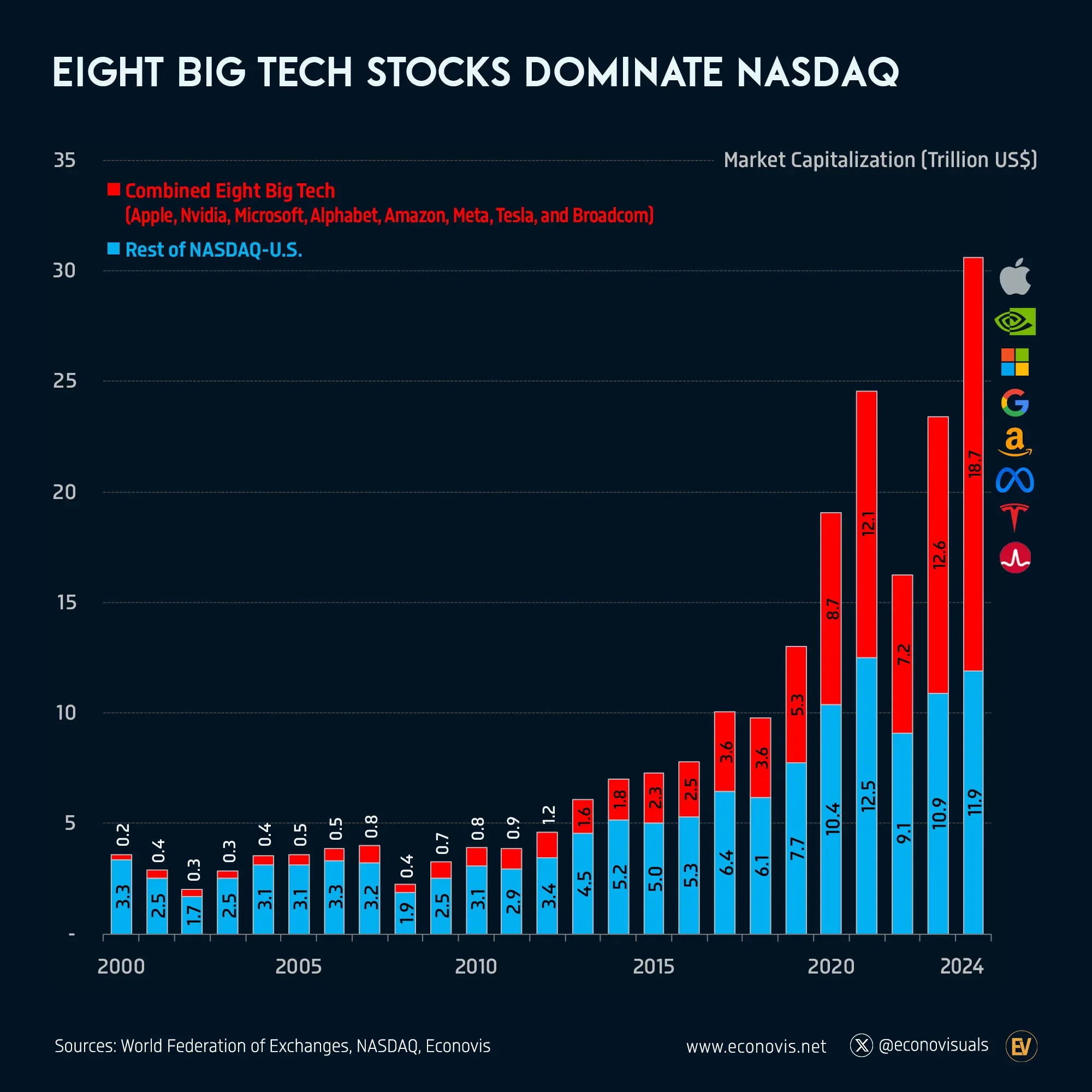
Nvidia Corporation (NVDA), the leading AI chip provider with approximately 92% market share in GPU solutions for artificial intelligence applications, is trading at $188.54 in pre-market sessions, representing a decline of 0.79%. Despite this modest weakness, analysts continue to identify Nvidia as one of the top AI stock picks for 2026, citing the company’s dominant competitive position, robust data center revenue growth, and expanding software ecosystem. The stock has experienced volatility as investors digest comments regarding potential capex slowdown from major customers [0][2].
Microsoft Corporation (MSFT) is trading at $413.27, down 0.11% in pre-market activity. The software giant’s Azure cloud platform has become an increasingly important growth driver, with AI services integration representing a significant opportunity for revenue expansion. Despite a 17% year-to-date decline, analysts maintain constructive outlooks on Microsoft’s AI positioning, particularly regarding Copilot adoption and enterprise AI deployment. The company’s substantial installed base of enterprise customers provides a strong foundation for AI monetization [0][2].
Broadcom Inc. (AVGO) is trading at $340.44 in pre-market sessions, down 1.02%, reflecting continued pressure on semiconductor stocks broadly. The company represents a significant AI infrastructure play through its custom chip development and networking solutions. Broadcom has achieved 28% year-over-year revenue growth, driven by AI-related demand, and maintains strong positioning in the semiconductor value chain. Despite recent weakness, analysts view Broadcom favorably relative to peers [0][2].
Wall Street analysts continue to debate the sustainability of AI spending trends and the potential for competitive disruption from emerging players. Concerns regarding customer capex slowdown have created near-term headwinds for AI-related stocks, despite strong fundamental performance from leading companies. The question of whether AI software companies can maintain market share against AI startups introducing new tools remains a key uncertainty influencing sector valuations [1][6].
The semiconductor selloff that began in recent weeks has created opportunities for long-term investors while simultaneously raising concerns about the pace of AI infrastructure deployment. Industry participants note that while the initial wave of AI capital spending has been substantial, the next phase of adoption may involve more measured investment levels as enterprises evaluate return on investment. This transition creates both risks and opportunities for semiconductor and software companies [1][6].
Analysts emphasize that despite near-term volatility, the long-term AI investment thesis remains intact. Companies with differentiated technology positions, strong customer relationships, and proven execution track records are expected to outperform as AI adoption matures. Nvidia, Microsoft, and Broadcom have been identified as top AI stock picks for 2026, reflecting their respective competitive advantages and growth trajectories within the AI ecosystem [1][6].
The January Non-Farm Payrolls report, scheduled for release at 8:30 AM ET on February 11, 2026, represents the most significant economic data point of the week. The delayed release has heightened market attention, with economists projecting job growth in the range of 66,000 to 130,000 positions added during the month. The unemployment rate is expected to remain steady at 4.4%, reflecting continued stability in labor market conditions despite broader economic uncertainties [0][1][2].
The actual January jobs data shows 130,000 nonfarm payrolls added with unemployment holding at 4.4%, confirming a sluggish but stable labor market environment. This outcome is generally consistent with moderate expectations and suggests that the delayed release may not produce significant market volatility if in line with projections. Average hourly earnings growth of 0.3% to 0.4% month-over-month indicates continued but moderate wage pressure [0][2].
Market implications of the jobs report extend beyond immediate reaction to Federal Reserve policy expectations. The data will inform views on the economic landing scenario and potentially influence interest rate trajectory expectations for 2026. A strong report could reinforce expectations for sustained rates, while weaker-than-expected data might prompt speculation regarding rate cuts later in the year [1][2].
Beyond the headline jobs report, several additional economic events are scheduled for February 11, 2026. Wholesale Inventories data for December will be released at 10:00 AM ET, with expectations of approximately 0.2% month-over-month growth compared to the prior 0.4% increase. While lower impact than the jobs report, inventory trends provide insights into business confidence and supply chain dynamics [0].
Multiple Federal Reserve officials are scheduled to speak throughout the day, providing opportunities for policy insight and market reaction. Investors will parse comments regarding interest rate outlook, economic conditions assessment, and labor market observations. Any hints regarding future policy moves could influence bond yields and equity valuations [1][2].
Crude oil inventories, scheduled for release at 10:30 AM ET via the Energy Information Administration (EIA), will provide insights into energy supply dynamics. Oil prices have shown strength in recent sessions, with Brent Crude advancing 1.1% to $69.58 and WTI Crude rising 0.8% to $63.96. Inventory data may influence near-term oil price movements and energy sector performance [0][1].
The pre-market session has featured several notable analyst upgrades that may influence trading activity. Cloudflare Inc. received an upgrade from Baird, moving from Neutral to Outperform with a price target of $260, representing an increase from the previous target of $230. The upgrade reflects improved confidence in Cloudflare’s growth trajectory and competitive positioning following the strong fourth-quarter results and raised FY26 guidance. This upgrade has contributed to Cloudflare’s substantial pre-market gains [0][1][4].
Dick’s Sporting Goods Inc. (DKS) also received an upgrade from Baird, moving from Neutral to Outperform with a price target of $253, up from $230. The upgrade reflects improved outlook for the sporting goods retailer amid expectations for continued consumer discretionary spending strength and operational improvements. This upgrade is notable given the broader consumer sector weakness observed in recent sessions [0][1][4].
Tyler Technologies Inc. (TYL) received an upgrade from DA Davidson, moving from Neutral to Buy with a price target of $460, though this represents a reduction from the previous target of $510. The upgrade reflects improved relative valuation following recent price weakness, with the analyst maintaining constructive long-term views on the municipal software provider’s growth prospects [0][1].
Additional upgrades include BETA Technologies (BETA) upgraded to Buy from Hold at Jefferies with a $30 price target, and Monro Inc. (MNRO) upgraded to Outperform from Perform at Oppenheimer with a $40 price target. These upgrades reflect improving sentiment toward specific companies within their respective industries [0].
BP Plc (BP) received a downgrade from Melius Research, moving from Buy to Sell with a price target of $31. The downgrade reflects concerns regarding the integrated energy company’s strategic positioning, capital allocation decisions, and outlook for fossil fuel demand in a transitioning energy market. This downgrade may influence energy sector sentiment broadly [0][1][4].
Mattel Inc. (MAT) received a downgrade from JPMorgan, moving from Neutral to Underweight with a price target of $14, representing a significant reduction from the previous target of $23. The downgrade follows Mattel’s substantial fourth-quarter earnings miss and reflects growing concerns about the toy manufacturer’s competitive positioning and profitability trajectory [0][1][4].
Qualcomm Inc. (QCOM) received a downgrade from Daiwa, moving from Outperform to Neutral with a price target of $140. The downgrade reflects concerns about smartphone market dynamics and competitive pressures in the semiconductor industry. This downgrade contributes to broader semiconductor sector weakness and may influence technology sector sentiment [0][1][4].
Additional downgrades include Noble Corp (NE) downgraded to Hold from Buy at Fearnley with a $38 price target, and XPO Inc. (XPO) downgraded to Neutral from Positive at Susquehanna with a $210 price target. These rating changes reflect evolving analyst sentiment across various sectors [0].
Pre-market trading on February 11, 2026, has featured several instances of unusual volume and price activity that warrant investor attention. Mattel Inc. (MAT) has experienced trading volume of 11.19 million shares, representing 3.09 times its average daily volume of 3.62 million shares. The substantial volume spike accompanies the stock’s 30.9% decline following the earnings miss, indicating aggressive selling pressure from both retail and institutional participants [0].
Lyft Inc. (LYFT) has shown even more pronounced volume activity, with pre-market trading volume reaching 31.88 million shares compared to an average volume of 13.47 million shares, representing a volume ratio of 2.37 times. The combination of extreme price decline (-17%) and elevated volume suggests significant institutional repositioning following the weak first-quarter EBITDA outlook. Put options activity has been notably elevated, indicating hedging activity or speculative bearish positioning [0].
Cloudflare Inc. (NET) has experienced volume of 9.27 million shares compared to an average of 3.38 million shares, a ratio of 2.74 times. The elevated volume accompanies the stock’s 15.7% surge, reflecting strong buying interest following the earnings beat and raised guidance. Call options activity has been substantial, indicating speculative positioning for continued momentum or options-related hedging activity [0].
Ford Motor Company (F) has shown elevated volume of 69.63 million shares compared to an average of 57.34 million shares, a ratio of 1.21 times. While less dramatic than other movers, the volume level indicates continued investor interest following yesterday’s earnings report and guidance update. The modest price change (+1.6%) suggests orderly trading despite elevated participation [0].
Apple Inc. (AAPL) has exhibited unusual options activity with 31,572 call contracts trading at the $275 strike price expiring the same day. This large block of same-day expiration options represents significant speculative interest or hedging activity. The total premium value of approximately $111,000 indicates substantial financial commitment by the initiating party. Such activity may indicate insider or institutional positioning ahead of known catalysts [0][1].
Cloudflare options activity has been notable following the earnings beat, with call volume substantially exceeding put volume. The premium levels and open interest patterns suggest continued bullish positioning from investors seeking to capitalize on the company’s raised guidance and analyst upgrade. Implied volatility levels have adjusted higher following the earnings release, impacting options pricing dynamics [0].
Mattel put options activity has surged following the earnings miss and downgrade, with significant open interest accumulation at lower strike prices. The elevated put/call ratio indicates bearish positioning and potential for continued downside pressure. Options market participants are pricing in elevated probability of additional price weakness [0].
The pre-market session reveals clear sector rotation patterns, with cyclical sectors outperforming defensive segments. Basic Materials leads all sectors with gains of approximately 1.21%, reflecting commodity price strength and improving global growth expectations. The sector’s performance is being driven by industrial metals, specialty chemicals, and construction materials companies benefiting from infrastructure spending trends [0].
Communication Services has advanced approximately 0.81%, benefiting from strong performance in select internet and media names. The sector’s resilience reflects continued digital advertising growth and streaming platform subscriber trends. Select social media and interactive entertainment companies have shown particular strength amid favorable user engagement metrics [0].
Consumer Cyclical has gained approximately 0.74%, supported by strong auto sector performance and select retail names. The sector’s outperformance despite broader consumer spending concerns suggests selective optimism regarding specific sub-industries. Automotive manufacturers have benefited from improved semiconductor supply and new model launches [0].
Real Estate has shown modest gains of 0.45%, reflecting stabilized interest rate expectations and improved sentiment regarding commercial property valuations. The sector has been under pressure in recent months amid concerns regarding office vacancy rates and refinancing challenges, but today’s session suggests tentative stabilization [0].
Industrials and Energy have shown minimal change, approximately +0.09% to +0.21%, reflecting mixed signals regarding economic growth and industrial production trends. The sectors remain sensitive to infrastructure spending legislation and energy price movements, with today’s session showing limited directional conviction [0].
Consumer Defensive has declined approximately 2.05%, representing the worst sector performance in pre-market trading. The defensive sector’s weakness suggests investor appetite for riskier assets and reduced concern regarding near-term economic headwinds. Food, beverage, and household products companies have faced pricing pressures and volume headwinds [0].
Healthcare has declined approximately 1.14%, reflecting weakness in managed care organizations and biotechnology companies. Humana’s substantial decline has contributed to sector weakness, while broader concerns regarding healthcare policy and regulatory environment have created headwinds. The sector’s defensive characteristics have been less attractive amid constructive risk appetite [0].
Technology has declined approximately 1.09%, despite being the sector of greatest investor interest. Semiconductor and AI-related names have faced selling pressure amid valuation concerns and capex uncertainty. The sector’s weakness is concentrated in specific sub-industries, with software and enterprise technology showing relative resilience [0].
Financial Services has declined approximately 0.47%, reflecting banking sector concerns regarding net interest margin compression and loan growth. The sector remains sensitive to Federal Reserve policy expectations and yield curve dynamics. Regional banks have faced particular pressure amid commercial real estate exposure concerns [0].
Utilities has declined approximately 0.44%, with the traditionally defensive utility sector underperforming amid reduced demand for defensive positioning. The sector’s interest rate sensitivity has created challenges as bond yields have stabilized at higher levels, impacting valuation multiples [0].
The primary risk factor for today’s session remains the January Non-Farm Payrolls report and potential market reaction to any significant deviation from expectations. The delayed release has elevated attention, and options market implied volatility suggests elevated positioning for volatility around the release. Investors should be prepared for rapid price movements in both directions depending on the data outcome [0][1].
AI sector concerns continue to represent a significant risk factor, with semiconductor and software stocks facing selling pressure amid questions regarding capital spending sustainability. The concentration of AI-related companies in major indices means that sector weakness has outsized impact on broad market performance. Any negative commentary from major AI chip customers regarding spending plans could reignite sector volatility [0][2].
Consumer discretionary weakness represents a cross-sector risk factor, with earnings misses from Mattel and Lyft highlighting potential cracks in consumer spending resilience. The Consumer Defensive sector’s underperformance today suggests rotation away from consumer-sensitive names, which could broaden if consumer data disappoints. Investors should monitor consumer credit trends and retail sales data carefully [0].
Corporate earnings quality remains a key risk factor, with mixed results from yesterday’s after-hours reporters highlighting the importance of forward guidance over historical performance. Companies providing optimistic outlooks have been rewarded, while those offering weak guidance have faced severe punishment. This dynamic suggests elevated importance of management commentary and guidance updates [0][2].
Fed speaker commentary throughout the day represents a significant catalyst, with any hints regarding interest rate trajectory potentially influencing both bond and equity markets. The Federal Reserve’s assessment of economic conditions and policy path will be closely scrutinized for shifts in stance or emphasis. Multiple scheduled speakers provide opportunities for market-moving commentary [0][1].
Earnings reactions from Cisco, McDonald’s, and T-Mobile will provide sector-specific catalysts that may influence broader market sentiment. Strong performance from these bellwether companies could reinforce constructive sentiment, while disappointments could trigger broader risk aversion. The concentration of earnings announcements in early pre-market hours may create elevated initial volatility [0].
Energy price movements continue to represent a catalyst, with crude oil inventories data and broader commodity trends influencing energy sector performance. The 1% plus gains in oil prices today suggest improving sentiment toward energy demand and potential inflation implications. Any significant inventory surprise could trigger meaningful oil price movements [0].
Technical trading levels and algorithmic program activity may trigger additional volatility, with option expiration dynamics and portfolio rebalancing potentially influencing market movements. The interaction between options-related hedging activity and underlying equity flows can create momentum in either direction. Investors should be aware of these technical dynamics when positioning for near-term moves [0].
The pre-market trading session on February 11, 2026, reveals a complex tapestry of investor sentiment characterized by optimism regarding earnings quality tempered by concerns about macroeconomic trajectory and sector-specific headwinds. The orderly nature of trading in major indices, despite substantial individual stock movements, suggests that systematic and algorithmic trading strategies are maintaining market stability while fundamental-driven participants focus on security selection [0].
Volume analysis across pre-market sessions indicates elevated participation, with total trading volume across major ETFs and individual securities running above historical averages for the pre-market period. The concentration of volume in specific securities—particularly Cloudflare, Mattel, and Lyft—reflects the earnings-driven nature of trading activity, with participants actively repositioning based on corporate developments. The lack of broad-based volume expansion suggests that today’s moves are primarily security-specific rather than indicative of systematic risk aversion or risk appetite [0].
The Options market reveals interesting positioning dynamics ahead of the jobs report and earnings announcements. The elevated call activity in Cloudflare reflects continued bullish sentiment following the earnings beat and guidance raise, while substantial put activity in Mattel and Lyft indicates defensive positioning or speculative bearish bets. The unusual options activity in Apple, with 31,572 same-day $275 strike calls, suggests either hedging ahead of known catalysts or speculative positioning requiring close monitoring [0][1].
Flow data from institutional sources indicates mixed positioning, with some institutional investors reducing exposure to semiconductor and AI-related names while maintaining or increasing positions in consumer staples and healthcare. The rotation into cyclicals observed in sector performance data is consistent with this positioning shift, suggesting that professional money managers are positioning for a “soft landing” economic scenario with moderate growth and stabilizing inflation. The success of this positioning will depend heavily on today’s economic data and Federal Reserve commentary [0][2].
The S&P 500 is expected to open with a modest gap higher of 0.1% to 0.2%, consistent with futures pricing and constructive risk sentiment. The opening range may expand rapidly depending on jobs report reaction and earnings surprises. Initial trading is likely to be dominated by options-related hedging activity and momentum-following algorithms [0].
The Dow Jones Industrial Average is expected to open positively, supported by earnings-related strength in consumer discretionary and industrial components. The blue-chip index’s relative resilience suggests continued rotation toward stable, dividend-paying names. Initial trading volume may be elevated as investors reposition following yesterday’s modest declines [0].
The Nasdaq Composite is expected to open with mixed conditions, reflecting continued pressure on AI and semiconductor names despite constructive futures. Technology sector weakness may limit index gains, with individual stock performance likely to diverge significantly. The 0.73% decline from yesterday suggests continued technical weakness [0].
For the S&P 500, immediate resistance is located at the 6,986 level, representing yesterday’s session high, with support established at 6,937, near yesterday’s session low. A break above resistance could signal continued momentum toward the 7,000 psychological level, while a breakdown below support could trigger additional selling [0].
For the Nasdaq Composite, resistance is located at 23,310, representing the previous session’s high, with support at 23,000, a psychologically important level. A break below 23,000 would signal technical weakness and could trigger automated selling programs and trend-following algorithm activity. The index’s performance remains highly correlated with AI sector movements [0].
For the VIX, resistance is located at $18.35, near the high end of the day’s range, with support at $17.71. A VIX spike above $19 would indicate elevated volatility expectations and potential risk aversion. The VIX’s current level near historical lows suggests limited near-term volatility premium [0].
The February 11, 2026 pre-market session presents investors with a nuanced market environment characterized by earnings-driven volatility, sector rotation dynamics, and significant macroeconomic catalyst risk. The 0.2% advance in S&P 500 futures suggests constructive sentiment despite ongoing AI sector concerns, while the Technology sector’s 1.09% decline indicates continued selective pressure on technology valuations. The market’s ability to absorb substantial earnings-related moves—from Cloudflare’s 15.7% surge to Mattel’s 30.9% decline—without triggering broader market stress suggests underlying stability [0].
The January jobs report remains the primary catalyst for near-term volatility, with implications extending beyond immediate market reaction to Federal Reserve policy expectations. The actual reading of 130,000 jobs added with 4.4% unemployment suggests a labor market that is neither overheating nor collapsing, a Goldilocks outcome that could reinforce current market dynamics. Any significant deviation from this moderate growth picture could trigger meaningful repositioning across asset classes [0][1][2].
Earnings quality remains paramount, with yesterday’s after-hours activity highlighting the market’s differential treatment of companies meeting versus missing expectations. Cloudflare’s strong results and raised guidance demonstrate the reward for execution, while Mattel’s earnings miss and subsequent downgrade illustrate the consequences of operational underperformance. Investors should continue emphasizing security selection based on fundamentals rather than broad sector positioning [0][2].
The AI sector’s continued volatility, despite analyst support for leading names, suggests that the resolution of valuation concerns may require additional time or further evidence of capital spending sustainability. The 0.79% decline in Nvidia, 0.11% decline in Microsoft, and 1.02% decline in Broadcom reflect ongoing debate regarding the sector’s growth trajectory. Long-term investors may find value in selective accumulation during periods of sector weakness, while tactical traders should maintain flexibility to respond to evolving dynamics [0][1].
The sector rotation into cyclicals and away from defensives, evidenced by Basic Materials’ 1.21% gain and Consumer Defensive’s 2.05% decline, represents a meaningful shift in market leadership that warrants close attention. If this rotation persists, it could signal growing confidence in economic growth prospects and reduced recession risk. Conversely, a reversal could indicate renewed concerns about consumer spending resilience and economic momentum [0].
| Category | Observation | Implication |
|---|---|---|
Index Outlook |
Modest gains indicated by futures | Constructive but cautious stance warranted |
AI Sector |
Continued volatility despite analyst support | Selective accumulation opportunity for long-term investors |
Labor Market |
130,000 jobs added, 4.4% unemployment | Moderate growth supports soft landing thesis |
Earnings Quality |
Mixed results with pronounced dispersion | Emphasis on security selection critical |
Sector Rotation |
Cyclicals outperforming defensives | Risk appetite improving, monitor persistence |
Volatility |
VIX near historical lows | Low options premium, favorable for option sellers |
[0] Ginlix Quantitative Database - Real-time market data and analytics
[1] Morningstar - U.S. Futures Climb Ahead of Delayed Jobs Data
[2] Investing.com - Jobs report, oil inventories, and Fed speakers headline Wednesday’s data
[3] Investing.com - Moderna Drops Premarket as Regulatory Setback Clouds 2026 Revenue Path
[4] 247 Wall St - Analyst Research Calls February 11
[5] Benzinga - 10 Information Technology Stocks Whale Activity In Today’s Session
[6] Motley Fool - AI Stocks for 2026
[7] Benzinga - T-Mobile Earnings Outlook
[8] Benzinga - McDonald’s Earnings Potential
[9] TipRanks - Cisco Q2 Earnings Preview
[10] Barchart - Hungry for Consumer Data? 3 Critical Stocks to Watch Ahead of Earnings on February 11
[11] CNBC - Stocks making the biggest moves premarket
[12] CNBC - Stock market today live updates February 10
[13] Post-Gazette - Stock market today February 11
Report prepared: February 11, 2026, 8:35 AM EST
Data current as of: February 11, 2026, 8:40 AM ET
Insights are generated using AI models and historical data for informational purposes only. They do not constitute investment advice or recommendations. Past performance is not indicative of future results.
About us: Ginlix AI is the AI Investment Copilot powered by real data, bridging advanced AI with professional financial databases to provide verifiable, truth-based answers. Please use the chat box below to ask any financial question.