AI Disruption Sell-Off Drives Broad Market Decline on February 13, 2026
Unlock More Features
Login to access AI-powered analysis, deep research reports and more advanced features
About us: Ginlix AI is the AI Investment Copilot powered by real data, bridging advanced AI with professional financial databases to provide verifiable, truth-based answers. Please use the chat box below to ask any financial question.
Related Stocks
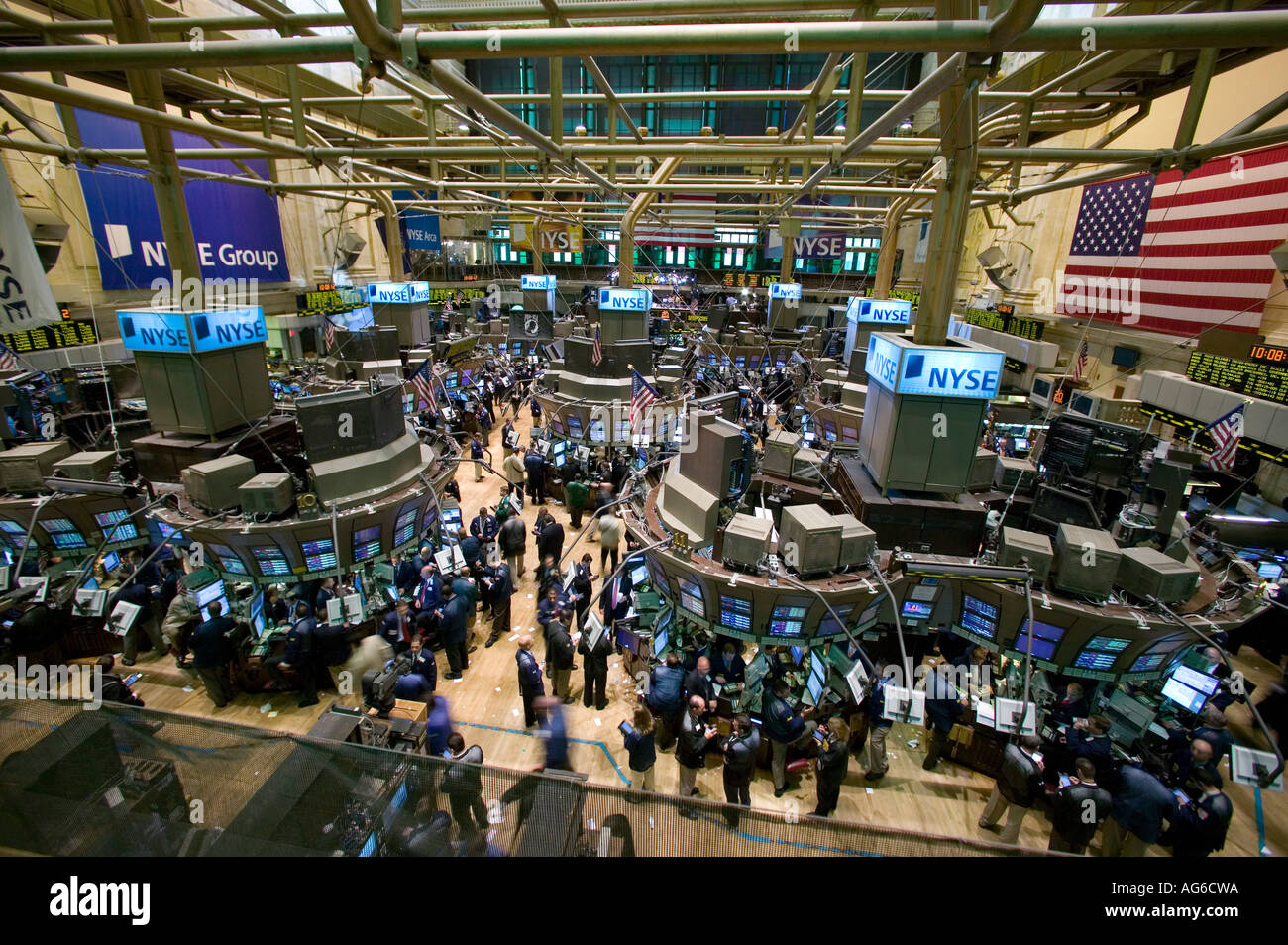
The February 13, 2026 pre-market environment reflects a significant risk-off sentiment driven by multiple converging factors. The market experienced a broad-based sell-off on February 12, with all major indices declining substantially: the S&P 500 fell 1.79% to close at 6,832.77, the NASDAQ dropped 2.36% to 22,597.15, and the Russell 2000 declined 2.58% [0]. This marks the most significant one-day decline for the NASDAQ since early 2025, reflecting the severity of the AI disruption sell-off that has rippled across multiple sectors.
The AI disruption sell-off represents the most significant development, extending well beyond traditional technology stocks. Cisco Systems (CSCO) experienced its worst single-day performance since 2022, plunging 12.32% to close at $75.00 on trading volume of 68.02 million shares—approximately three times its average volume of 22.20 million [0][1]. This dramatic move signals significant investor concern about AI-driven competitive pressures affecting the networking equipment giant. Similarly, Apple Inc. (AAPL) declined 5.00% ($13.77) to close at $261.73, marking its biggest single-day drop since April 2025, with elevated trading volume of 71.43 million shares against an average of 48.49 million [0]. The Apple decline follows reports of Siri delay concerns and increased FTC regulatory scrutiny, adding company-specific headwinds to the broader sector weakness [1].
Sector rotation analysis reveals a clear defensive posture among investors. Consumer Cyclical stocks declined 2.88%, Financial Services fell 2.82%, Technology dropped 2.54%, and Industrials declined 2.26% [0]. Conversely, Consumer Defensive stocks surged 2.03%, Utilities gained 0.40%, and Basic Materials rose slightly by 0.05% [0]. This pattern indicates a classic risk-off environment where investors are fleeing growth and cyclical sectors in favor of more stable, dividend-paying defensive sectors.
The January CPI report, released at 8:30 a.m. ET by the Bureau of Labor Statistics, carries particular importance given the consensus expectation of 2.5% year-over-year inflation [1]. The market’s pre-open positioning suggests investors were already defensive ahead of this critical data release. Any significant deviation from expectations could amplify the existing volatility or provide a catalyst for stabilization.
Pinterest (PINS) has experienced significant weakness, declining 2.83% on February 12 and 5.82% on February 11, following an earnings miss and weak guidance citing tariff-related headwinds [0][1]. The company’s warning that “headwinds may become slightly more pronounced in Q1” suggests continued pressure on digital advertising platforms facing macroeconomic uncertainty [1].
The EPA regulatory rollback adds another layer of complexity to the market environment. The Trump administration’s revocation of the EPA endangerment finding on six greenhouse gases—including CO₂ and methane—could save consumers approximately $2,400 per vehicle but may raise costs from climate-related events [1]. This regulatory shift carries far-reaching implications for energy, automotive, insurance, and broader industrial sectors.
The breadth of the AI disruption sell-off represents a systemic market shift rather than a sector-specific correction. The decline has extended beyond traditional technology companies to affect office-real-estate and trucking/logistics sectors, indicating investors are reassessing the broader economic implications of artificial intelligence adoption across industries [1]. This mirrors historical patterns observed during major technological transitions, where initial enthusiasm gives way to concern about disruption to existing business models.
The volume analysis for both Cisco and Apple—trading at three times their average volume—suggests institutional reallocation rather than pure panic selling [0]. Institutional investors appear to be actively repositioning portfolios in response to changing risk assessments, rather than making emotional decisions. This distinction is important for understanding the potential persistence of the current weakness.
The defensive sector rotation—particularly the 2.03% gain in Consumer Defensive stocks—indicates investors are seeking safety in stable, recession-resistant businesses [0]. This mirrors behavior observed during the early stages of previous market corrections, though the duration and severity of the current move remain to be determined.
NBA team valuations rising 18% year-over-year to an average of $5.52 billion, with the Warriors ($10.8B), Knicks ($10.1B), and Lakers ($10B) leading valuations [1], suggest healthy entertainment and sports media sector dynamics. While this represents a separate market segment, the strong performance indicates continued investor appetite for certain growth assets even amid broader market weakness.
The AI disruption sell-off could continue volatility across technology, real estate, and logistics sectors if investors remain concerned about AI’s impact on business models [0][1]. The concentration of declines in growth sectors—particularly the 2.54% technology decline and 2.82% financial services decline—suggests persistent weakness may continue [0].
Higher-than-expected CPI data could trigger Fed policy tightening, affecting the broad market [0]. Given the current delicate balance between growth concerns and inflation persistence, any upside surprise in inflation could accelerate the risk-off sentiment.
The EPA regulatory rollback introduces sector-specific uncertainty for energy, automotive, and insurance companies [1]. While the immediate market reaction has been muted, the long-term implications for carbon-emitting industries could be significant.
Pinterest’s tariff-related guidance warning suggests earnings pressure for companies with supply chain or advertising market exposure to macroeconomic headwinds [1]. This could extend to other digital advertising platforms and consumer discretionary companies.
The defensive sector rotation presents potential opportunities in Consumer Defensive and Utilities as relative strength plays [0]. These sectors have historically outperformed during periods of market uncertainty.
The significant price dislocation in quality technology names—particularly Apple, which is trading near the lower end of its 52-week range ($169.21-$288.62) [0]—may present long-term value opportunities for investors with longer time horizons who believe in the fundamental business prospects.
The elevated volume levels indicate active market participation, which could provide liquidity for repositioning and potentially create entry points for strategic investors.
This analysis is based on the CNBC Morning Squawk report [1] published February 13, 2026, and integrated market data from February 12, 2026 trading sessions [0]. The pre-market environment reflects significant investor concern about AI-driven disruption, with Cisco experiencing its worst single-day decline since 2022 and Apple facing its biggest drop since April 2025. All major indices declined substantially on February 12, with the NASDAQ falling 2.36% and the Russell 2000 dropping 2.58% [0]. Defensive sectors are showing relative strength, with Consumer Defensive gaining 2.03%, indicating a risk-off posture among market participants [0]. The January CPI report, with consensus expectations of 2.5% year-over-year, represents a critical data point for Federal Reserve policy implications [1]. The EPA’s revocation of the endangerment finding on greenhouse gases introduces additional regulatory uncertainty across multiple sectors [1].
Insights are generated using AI models and historical data for informational purposes only. They do not constitute investment advice or recommendations. Past performance is not indicative of future results.
About us: Ginlix AI is the AI Investment Copilot powered by real data, bridging advanced AI with professional financial databases to provide verifiable, truth-based answers. Please use the chat box below to ask any financial question.