Kevin Warsh Fed Chair Nomination: Market Concern Over Policy Resolve Under Market Pressure
Unlock More Features
Login to access AI-powered analysis, deep research reports and more advanced features
About us: Ginlix AI is the AI Investment Copilot powered by real data, bridging advanced AI with professional financial databases to provide verifiable, truth-based answers. Please use the chat box below to ask any financial question.
This YouTube Shorts commentary [4] addresses a specific concern regarding Kevin Warsh’s potential tenure as Federal Reserve Chair, drawing a historical parallel to Jerome Powell’s early tenure in 2018. The commentary notes that Powell began his chairmanship with a resolute, hawkish stance—characterized by his notable statement that the Fed was “a long way from neutral”—only to reverse course significantly following market turbulence and pressure [0].
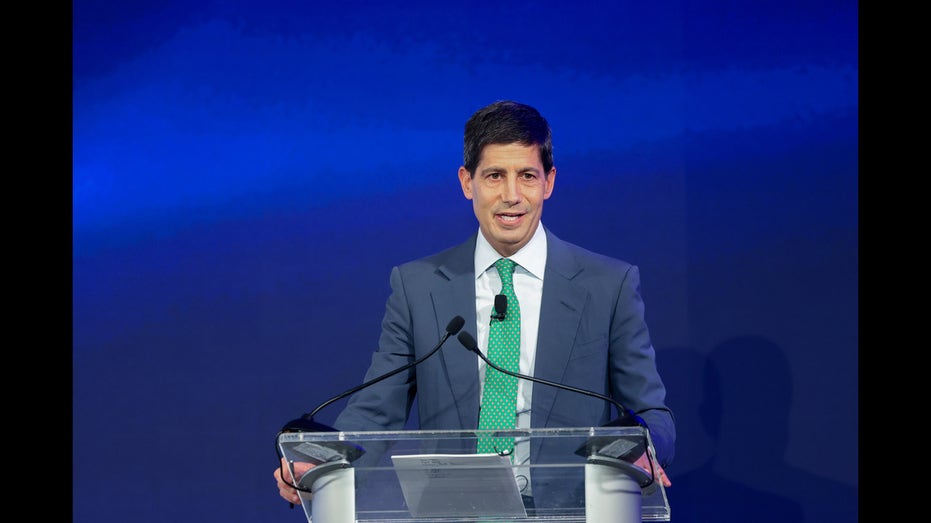
Kevin Warsh was officially nominated by President Donald Trump on January 30, 2026, to succeed Powell, with his term scheduled to begin in May 2026 pending Senate confirmation [1]. The video’s core argument centers on whether Warsh, despite his current positioning as more dovish and critical of Powell’s “wait-and-see” approach, will maintain policy resolve when faced with similar market volatility [2].
Historical context provides important nuance: Warsh actually served as a Fed Governor from 2006-2011, gaining experience through the financial crisis, whereas Powell was relatively new to the Fed in 2018 [2]. Additionally, Warsh has explicitly advocated for quicker rate cuts and a more dovish monetary stance than the current leadership, which differentiates his starting position from Powell’s hawkish 2018 beginning [2][3].
The commentary highlights a fundamental tension in Federal Reserve leadership: the challenge of maintaining policy independence amid market pressure. Several factors complicate the comparison between Warsh and Powell:
- Policy Continuity Uncertainty: If markets experience significant volatility in late 2026 or early 2027, Warsh may face pressure to deviate from his stated dovish approach, similar to Powell’s 2018-2019 pivot
- Fed Independence Concerns: The explicit political context of Warsh’s nomination—replacing a chair whom the President had publicly criticized—raises questions about monetary policy autonomy
- Confirmation Process Uncertainty: While Warsh has strong support, Senate Banking Committee hearings may reveal additional policy details that could impact market expectations
- Potential for More Dovish Policy: Warsh’s explicit advocacy for quicker rate cuts could represent opportunities for sectors sensitive to interest rates (real estate, utilities, growth stocks)
- Reduced Policy Uncertainty: If confirmed, Warsh’s clear policy preferences may provide more predictability than the current “wait-and-see” approach
- Market Stabilization: Warsh’s crisis-era experience (2006-2011) may provide steadier leadership during potential future volatility
This YouTube commentary [4] expresses a specific concern about Kevin Warsh’s potential Fed Chairmanship, drawing parallels to Jerome Powell’s 2018 experience. The key factual points include:
- Kevin Warsh was nominated January 30, 2026, to replace Powell effective May 2026 [1]
- Warsh served as Fed Governor 2006-2011 during the financial crisis [2]
- In 2018, Powell’s hawkish stance triggered market selloffs, leading to policy reversal [0]
- Warsh advocates more dovish policy and quicker rate cuts than current leadership [2][3]
- Warsh has support from major Wall Street figures including Jamie Dimon and former Treasury Secretary Scott Bessent [2]
The commentary represents one perspective in ongoing market debates about Fed leadership transition. While the comparison to Powell’s 2018 experience provides historical context, it’s worth noting that Warsh’s stated policy preferences differ substantially from Powell’s 2018 hawkish positioning, potentially reducing the likelihood of an immediate policy clash with markets.
Insights are generated using AI models and historical data for informational purposes only. They do not constitute investment advice or recommendations. Past performance is not indicative of future results.
About us: Ginlix AI is the AI Investment Copilot powered by real data, bridging advanced AI with professional financial databases to provide verifiable, truth-based answers. Please use the chat box below to ask any financial question.