IPO Market Outlook: Capital Needs to Drive SpaceX, OpenAI, and Databricks Public Listings
Unlock More Features
Login to access AI-powered analysis, deep research reports and more advanced features
About us: Ginlix AI is the AI Investment Copilot powered by real data, bridging advanced AI with professional financial databases to provide verifiable, truth-based answers. Please use the chat box below to ask any financial question.
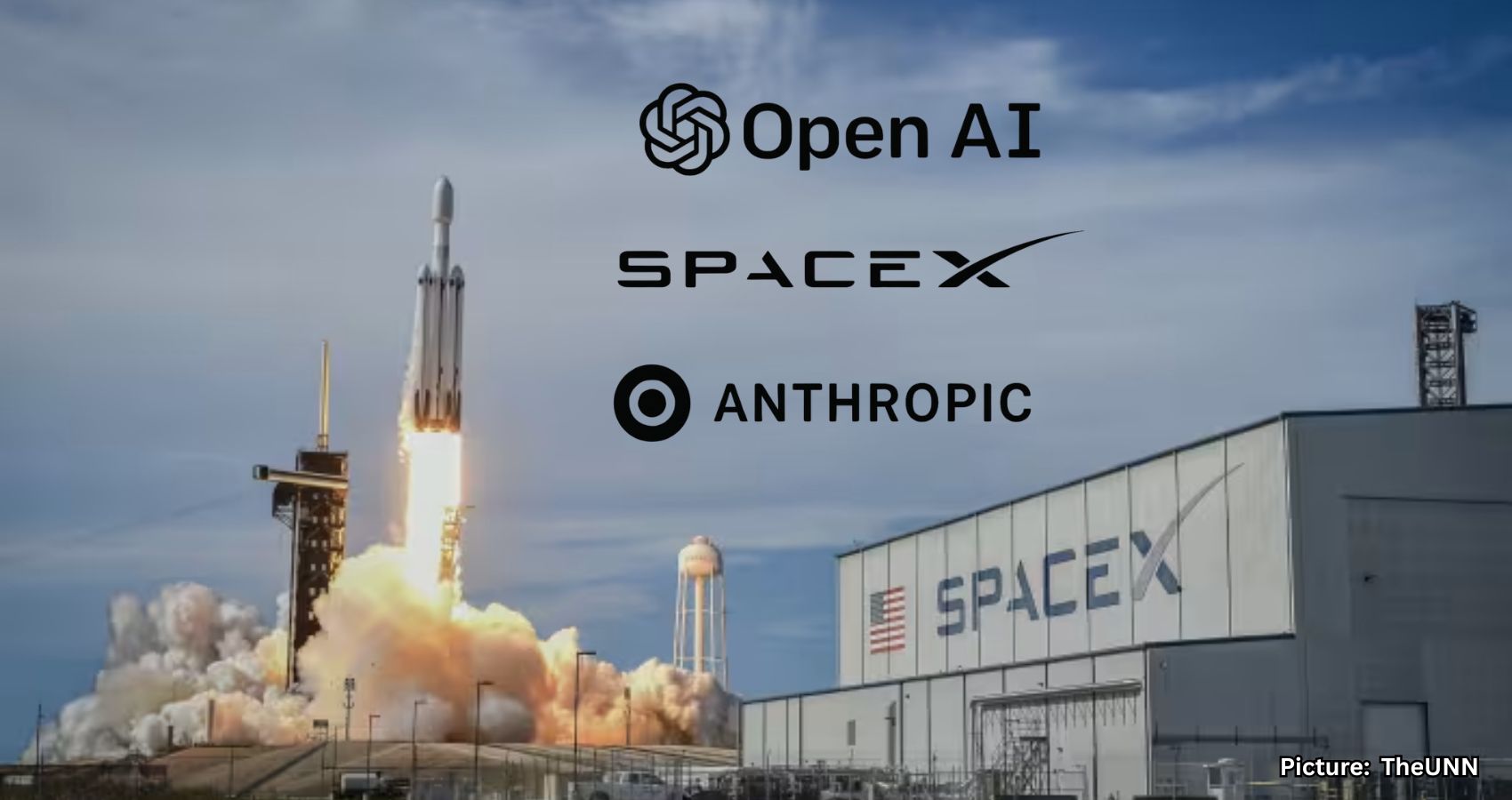
Matthew Witheiler’s commentary on Bloomberg Tech on March 16, 2026, provides a critical perspective on the current IPO market dynamics [1]. As Head of Late-Stage Growth at Wellington Management, Witheiler oversees private company investment activity and articulated a clear thesis: the IPO market will remain sluggish until major high-profile companies such as SpaceX, OpenAI, and Databricks complete their public listings.
The timing of this assessment is particularly relevant as the U.S. IPO market has transitioned from the dormancy of 2022-2023 into a more active phase in 2025 [2]. Industry analysts have characterized 2026 as potentially a record year for IPOs, with high-profile offerings from these three companies leading the charge [3]. However, Witheiler’s analysis suggests that despite this optimism, the market remains in a holding pattern awaiting definitive action from the “big names.”
The fundamental driver Witheiler identifies is
Technology sector performance shows mixed signals as of mid-March 2026, with the sector up 0.16% on the day [0]. However, the broader recovery in software stocks and AI-focused companies suggests that public markets are increasingly receptive to technology investments.
The entry of SpaceX, OpenAI, and Databricks into the public markets would fundamentally alter the competitive landscape in several interconnected ways:
-
Valuation Benchmarks: Each IPO would establish new valuation benchmarks for their respective sectors—SpaceX for aerospace and satellite communications, OpenAI for artificial intelligence, and Databricks for data analytics and cloud infrastructure. These benchmarks would influence investor expectations and valuations across entire sectors.
-
Investor Appetite Redefinition: These offerings would test and potentially expand investor appetite for late-stage private equity transitions. Success could unlock capital for other companies that have been waiting for favorable market conditions.
-
Competitive Pressure: Companies in similar sectors may face increased pressure to demonstrate comparable growth trajectories or risk being overshadowed. This could accelerate IPO timelines for competitors like Anthropic, Cohere, and Canva [10].
The anticipated IPO wave would create significant ripple effects throughout the technology and venture capital ecosystems:
- Late-stage investors, including Wellington Management and similar firms, would achieve exits, enabling capital recycling into new investments
- Private company stock secondary markets would likely see increased activity as employees and early investors seek liquidity ahead of public offerings
- Investment banking fee revenue would substantial increase from the IPO pipeline
- These listings would add significant weight to major indices, particularly technology-focused indices
- The availability of these stocks would enhance sector-specific investment products, particularly in AI, cloud computing, and aerospace
- Public company status may intensify talent competition as equity compensation becomes more accessible and liquid
-
Historic Investment Access: For the first time, retail and institutional investors would have direct access to companies representing leadership positions in space exploration, generative AI, and data analytics infrastructure.
-
Market Catalyst Potential: The successful listing of these mega-cap startups could catalyze further sector outperformance and unlock the broader IPO pipeline that has been constrained since 2022.
-
Sector Diversification: The availability of these stocks would enhance portfolio diversification opportunities for investors seeking exposure to emerging technology verticals.
-
Valuation Dislocation Risk: Valuation expectations may be elevated given the lengthy private market funding histories of these companies. The gap between private market valuations and public market pricing could result in significant volatility.
-
Regulatory Uncertainty: AI regulation could impact OpenAI’s path to listing, while space industry regulations affect SpaceX. Timeline delays from regulatory scrutiny represent a material risk.
-
Market Timing Risk: Market conditions at the time of listing will significantly influence post-IPO performance. Adverse macroeconomic factors could lead to valuation compression.
-
Technical Sector Volatility: Technology sector performance remains mixed [0], and broader market volatility could affect IPO pricing and post-listing performance.
The IPO market outlook for 2026 hinges critically on the capital needs and strategic decisions of mega-cap private companies SpaceX, OpenAI, and Databricks. Wellington Management’s Matthew Witheiler’s assessment suggests these companies will ultimately choose public listing driven by their substantial capital requirements for scaling operations [1].
The U.S. IPO market demonstrated recovery in 2025 with higher volumes and larger deals, supporting cautious optimism for 2026 [2]. SpaceX’s reported $1.5 trillion valuation targeting a June 2026 listing [5], OpenAI’s potential $1 trillion IPO consideration in H2 2026 [6][7], and Databricks’ $134 billion valuation with strong revenue growth [9] represent a convergence of market-ready candidates.
Short-term IPO activity is likely to remain cautious through the first half of 2026, with potential acceleration in the second half if SpaceX proceeds with its reported June timeframe. The successful completion of these mega-IPOs could mark a new era for late-stage startup listings, potentially reversing the trend of extended private company status and creating substantial opportunities for investors seeking exposure to innovation economy leaders.
Insights are generated using AI models and historical data for informational purposes only. They do not constitute investment advice or recommendations. Past performance is not indicative of future results.
About us: Ginlix AI is the AI Investment Copilot powered by real data, bridging advanced AI with professional financial databases to provide verifiable, truth-based answers. Please use the chat box below to ask any financial question.