US-China Summit Delay: Market Resilience Amid Geopolitical Complexities
Unlock More Features
Login to access AI-powered analysis, deep research reports and more advanced features
About us: Ginlix AI is the AI Investment Copilot powered by real data, bridging advanced AI with professional financial databases to provide verifiable, truth-based answers. Please use the chat box below to ask any financial question.
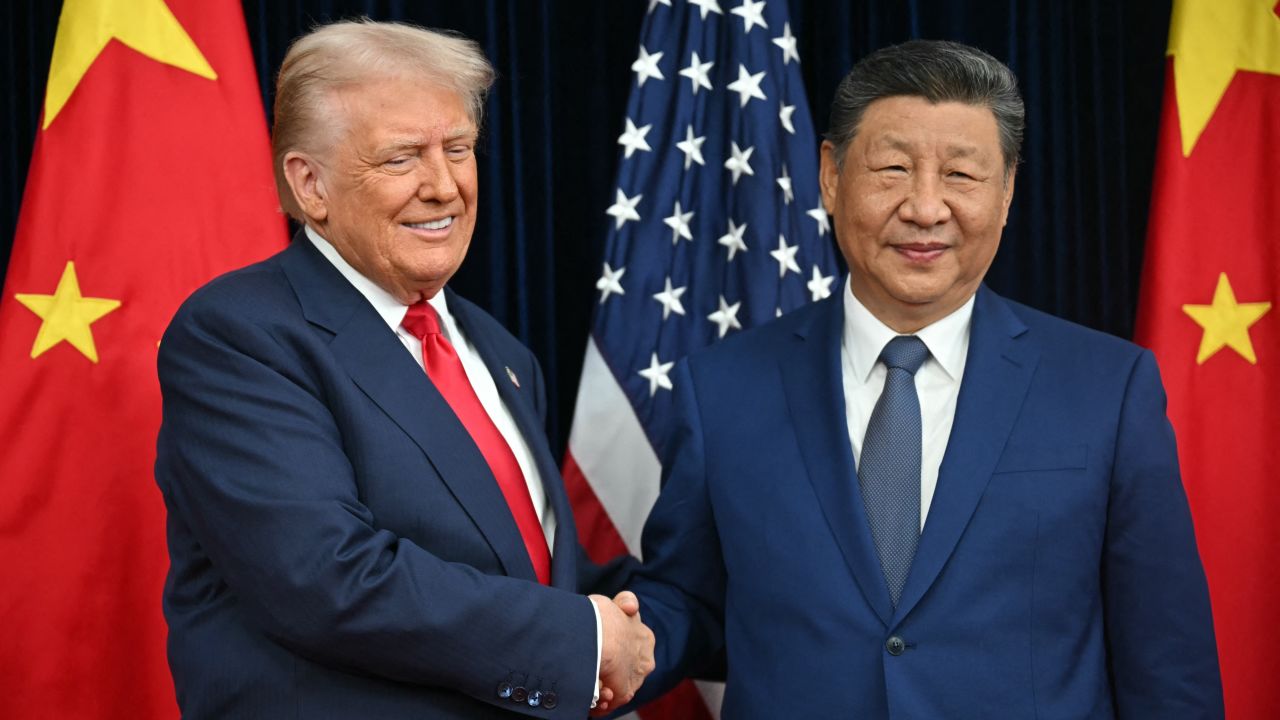
This analysis examines the potential delay of the Trump-Xi summit and its implications for U.S.-China trade relations and market stability. The summit, originally scheduled for March 31 – April 2, 2026, faces possible postponement primarily due to the Iran war requiring President Trump’s presence in Washington [1][2]. Treasury Secretary Scott Bessent has clarified that any delay would be for logistical reasons related to the Iran conflict, explicitly NOT stemming from trade disputes or disagreements over the Strait of Hormuz [2].
The underlying U.S.-China trade dialogue continues through ongoing Paris talks between Bessent and Chinese Vice-Premier He Lifeng. These discussions have produced a “work plan” designed to tee up agreements for the summit, indicating constructive progress despite geopolitical headwinds [2]. The proposed new mechanisms—including a U.S.-China Board of Trade and Board of Investment—suggest both parties are working toward institutionalized trade frameworks.
Market reaction on March 16, 2026 demonstrated notable resilience, with the S&P 500 gaining 0.37%, the Dow Jones rising 0.47%, and the NASDAQ adding 0.15% [0]. This muted response indicates markets are pricing in the delay as a logistical adjustment rather than a fundamental deterioration in U.S.-China relations. The market stability coincides with oil price stabilization following three consecutive weeks of losses [1].
However, the geopolitical backdrop introduces complexity. President Trump has publicly linked the summit timeline to Chinese assistance in reopening the Strait of Hormuz, a critical oil chokepoint [1][3]. While China derives approximately 45% of its oil imports through the Hormuz [2], this shared interest does not guarantee cooperation, and any Chinese reluctance could strain bilateral relations.
The market’s calm reaction to summit delay speculation reveals investor confidence in the structural progress made in U.S.-China trade negotiations. The Paris talks have established working mechanisms that appear to be continuing regardless of summit timing, suggesting the trade dialogue has achieved a degree of institutional resilience [2].
The Iran war serves as both a complicating factor and a potential unifying pressure point. While the conflict may delay the presidential meeting, it also creates shared interests—both the U.S. and China have stakes in Strait of Hormuz stability, as China’s oil imports transit this critical waterway [2][3].
The distinction between “logistical delay” and “strategic breakdown” appears critical for market interpretation. Bessent’s explicit framing of delay as Iran-related rather than trade-related has helped maintain positive sentiment toward the trade truce [2].
-
Geopolitical Escalation: The Iran war remains a significant source of uncertainty. Prolonged conflict could further delay summit timeline and distract from trade normalization efforts [1][2].
-
Hormuz Diplomatic Friction: Despite Bessent’s clarification, Trump’s public linkage of summit timing to Chinese Hormuz cooperation creates potential diplomatic tension. China’s estimated 45% oil import dependency through the strait creates complex incentive structures [2][3].
-
Trade Deal Uncertainty: Paris talks discussed potential new Section 301 unfair-trade investigations that could introduce additional tariff risks [2].
-
Timing Crowding: If summit delays beyond April, key trade decisions may coincide with Q2 earnings season, amplifying market volatility.
-
Continued Dialogue: The ongoing Paris talks demonstrate both parties remain engaged, creating opportunities for incremental progress.
-
New Institutional Mechanisms: Proposed Board of Trade and Board of Investment could provide structured frameworks for managing trade tensions going forward.
-
Shared Strategic Interests: Mutual interests in Hormuz stability could serve as a foundation for broader cooperation if managed diplomatically.
The potential Trump-Xi summit delay stems primarily from the Iran war requiring presidential attention in Washington, rather than fundamental disagreements on trade. Market indicators show relative stability with modest gains across major indices [0], suggesting investors view this as a procedural adjustment.
The Paris talks between U.S. Treasury Secretary Bessent and Chinese Vice-Premier He Lifeng continue constructively, with a work plan established to advance agreements. New mechanisms under discussion include a U.S.-China Board of Trade and Board of Investment, suggesting efforts to institutionalize trade dialogue.
Key monitoring areas include: (1) final outcomes from Paris talks, (2) China’s official response regarding Hormuz cooperation, (3) developments in the Iran conflict affecting summit timing, and (4) any announcements regarding new tariff investigations. The situation remains fluid, with diplomatic and market implications dependent on how these intersecting geopolitical threads develop.
Insights are generated using AI models and historical data for informational purposes only. They do not constitute investment advice or recommendations. Past performance is not indicative of future results.
About us: Ginlix AI is the AI Investment Copilot powered by real data, bridging advanced AI with professional financial databases to provide verifiable, truth-based answers. Please use the chat box below to ask any financial question.