U.S.-Iran War: Hidden Semiconductor Supply Chain Risks Emerge
Unlock More Features
Login to access AI-powered analysis, deep research reports and more advanced features
About us: Ginlix AI is the AI Investment Copilot powered by real data, bridging advanced AI with professional financial databases to provide verifiable, truth-based answers. Please use the chat box below to ask any financial question.
Related Stocks
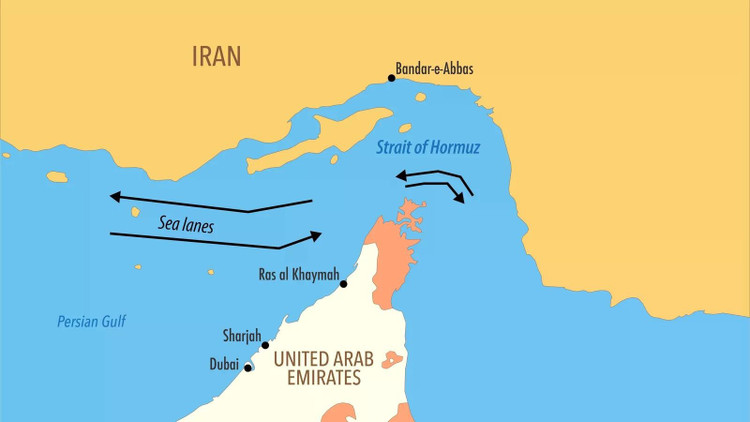
The U.S.-Iran conflict has created an emerging supply chain vulnerability for the semiconductor industry that extends beyond immediate energy concerns. The effective closure of the Strait of Hormuz—through which approximately 20% of global daily oil and natural gas supplies pass—has introduced significant risk to critical industrial materials, particularly helium, which is essential for semiconductor manufacturing processes [1][2][3].
The Strait of Hormuz closure directly impacts approximately 30% of the world’s helium supply, primarily from Qatar’s natural gas production facilities that have been damaged during the fighting [1][3]. This creates a dual-threat scenario for semiconductor manufacturers: helium is used extensively in chip production for cooling systems, as a protective gas during fabrication, and in the operation of critical manufacturing equipment. Industry experts indicate that the “best scenario” projection suggests a minimum three-month helium outage, with a restart timeline of approximately five weeks even if peace were achieved immediately due to logistical constraints [1][4].
TSMC, Samsung, and SK Hynix—the dominant players in advanced semiconductor manufacturing—all maintain helium reserves that provide some near-term buffer against supply disruptions [1][2]. However, these stockpiles are not unlimited, and the extended timeline for supply restoration creates meaningful risk exposure. TSMC’s position as the world’s largest advanced semiconductor foundry makes it particularly central to this supply chain vulnerability, given that the company manufactures chips for virtually every major technology company globally.
Despite these emerging risks, TSMC shares continue to trade near all-time highs at $340.23 after-hours, representing a 0.57% gain and an 83% increase over the trailing twelve months [0][5]. The stock trades at a P/E ratio of 32.75x with a market capitalization of $1.76 trillion, reflecting premium valuations driven by strong AI-driven demand expectations. Bernstein maintains a price target of NT$2,200, implying approximately 20% upside from current levels [5]. This premium valuation creates vulnerability to multiple compression if supply chain risks materialize more significantly.
The most critical insight is the extended timeline for supply restoration. Even in the best-case scenario of an immediate ceasefire, helium production would require approximately five weeks to restart due to facility damage and logistical requirements [1]. This means the market cannot expect rapid resolution of supply constraints, and any extended conflict would create cumulative supply deficits that could not be quickly remedied once resolved.
Beyond helium, the conflict threatens other critical materials used in semiconductor manufacturing, including bromine and various industrial chemicals sourced from the Middle East [2]. This broader material supply vulnerability creates systemic risk across the semiconductor value chain that extends beyond the headline helium concern.
Higher energy costs resulting from the conflict could dampen demand for AI data center buildouts, creating a potential demand-side headwind for semiconductor demand even if supply-side disruptions do not fully materialize [2]. If memory prices rise due to supply chain instability while operating costs climb simultaneously, data center operators may reduce capital spending, creating a complex feedback loop affecting the broader semiconductor ecosystem.
Current market behavior suggests that investors have not yet fully priced in extended geopolitical risk. TSMC’s continued strength despite the emerging supply chain concerns indicates either confidence in rapid conflict resolution or underappreciation of the severity of potential helium supply disruptions [0]. This creates potential for preemptive sector compression if conflict developments suggest prolonged duration.
- Extended Supply Disruption: A conflict lasting 3+ months could exhaust chipmaker helium stockpiles, potentially forcing production adjustments at facilities requiring continuous helium supply for operation [1].
- Valuation Compression: The semiconductor sector trades at premium multiples. Preemptive sector compression could occur before actual production impacts materialize, driven by risk-off sentiment and uncertainty pricing [1].
- Energy Cost Escalation: Higher energy prices from Strait of Hormuz disruption could increase manufacturing costs and dampen data center demand, creating secondary headwinds [2].
- Restart Timeline Uncertainty: The five-week post-conflict restart timeline means even resolving conflicts would create sustained supply gaps [1].
- Supply Chain Monitoring: Tracking industrial helium spot prices provides early indicators of supply stress before production impacts materialize.
- Inventory Disclosure Monitoring: Chipmaker helium stockpile disclosures in earnings calls may reveal actual buffer durations.
- Conflict Resolution Play: Near-term resolution could create buying opportunities as supply risk premiums normalize from current levels.
The Strait of Hormuz closure presents a material but time-limited risk to semiconductor manufacturing. Key data points include:
- Helium Supply Gap: ~30% of global helium supply affected, primarily from Qatar [1][3]
- Best-Case Timeline: 3-month minimum outage; 5-week restart even after ceasefire [1]
- TSMC Position: $340.23 (after-hours), P/E 32.75x, $1.76T market cap, +83% YoY [0]
- Analyst Outlook: Bernstein NT$2,200 price target (~20% upside) [5]
- Stockpile Status: Major chipmakers maintain reserves but duration uncertain [1][2]
The immediate impact appears limited as stockpiles provide buffer, but medium-term risk elevates significantly if conflict persists. The market has not yet fully incorporated extended geopolitical risk into semiconductor valuations, suggesting elevated volatility potential if developments suggest prolonged disruption.
Insights are generated using AI models and historical data for informational purposes only. They do not constitute investment advice or recommendations. Past performance is not indicative of future results.
About us: Ginlix AI is the AI Investment Copilot powered by real data, bridging advanced AI with professional financial databases to provide verifiable, truth-based answers. Please use the chat box below to ask any financial question.