Integrated Analysis
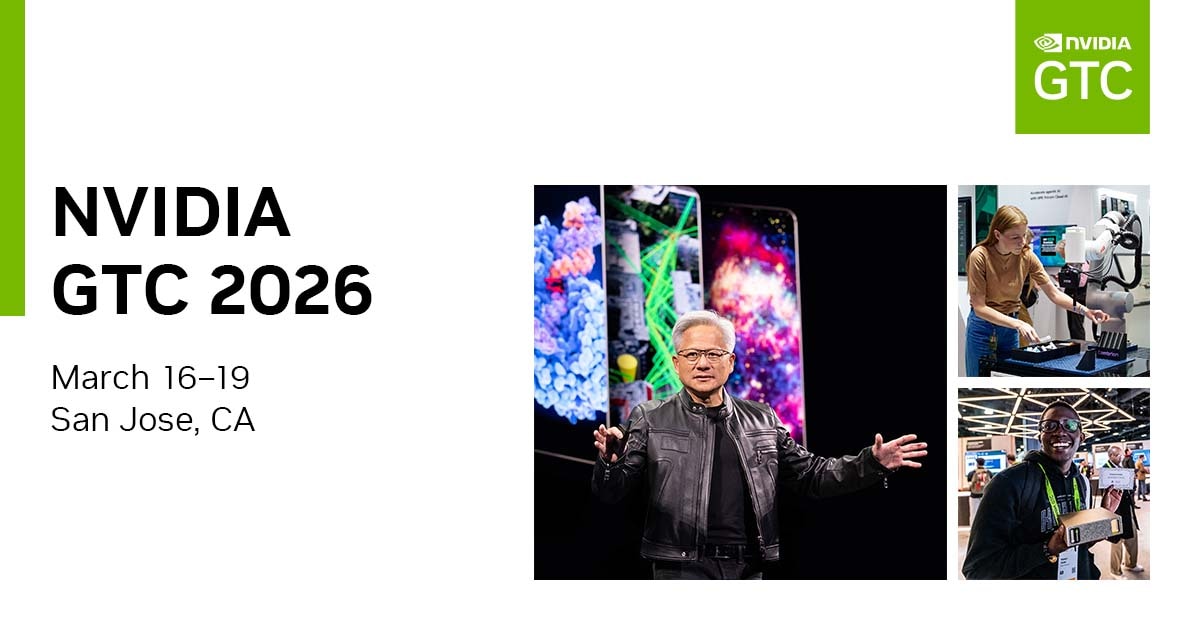
On Monday, March 16, 2026, U.S. stock markets posted broad gains as oil prices declined significantly, while Nvidia (NVDA) rallied during the opening of GTC 2026, Nvidia’s annual developer conference [6][1]. This event represents a confluence of two significant market drivers: easing energy-related inflation concerns and continued enthusiasm for AI infrastructure growth.
Oil Price Decline Impact
: WTI crude fell 5.3% to settle at $93.50 after earlier topping $102 per barrel, driven by U.S. calls for an international effort to secure the Strait of Hormuz, easing supply disruption fears [3][4][5]. This represented the market’s best day since the Iran war began, according to market commentators [4]. The decline provided relief from inflation pressures that had been constraining equity valuations.
Market Performance
: All major indices advanced, with the Dow Jones rising +0.51% to 46,946.42, the S&P 500 gaining +0.37% to close at 6,699.37, and the Nasdaq Composite adding +0.15% to reach 22,374.18 [0]. Market breadth was positive with 7 of 11 sectors advancing, led by Consumer Cyclical (+0.75%) and Real Estate (+0.73%), while Consumer Defensive (-1.01%) and Utilities (-0.33%) lagged [0].
Nvidia at GTC 2026
: Nvidia shares rose approximately 1.65% during the session, reaching intraday highs of $188.80, as CEO Jensen Huang delivered his keynote address announcing new AI chips and a dramatically increased revenue outlook [1][2]. The company unveiled the Vera Rubin GPU for inference workloads, a new CPU targeting inference applications, and announced a projected $1 trillion in AI-chip revenue through 2027—doubled from the previous $500 billion forecast through 2026 [1][2].
Key Insights
Convergence of Positive Factors
: This session demonstrated how easing energy costs and strong AI sector momentum can simultaneously support equity markets. The oil price decline addressed near-term inflation concerns while Nvidia’s announcements reinforced confidence in the AI infrastructure buildout trajectory.
Nvidia’s Strategic Positioning
: The announcements at GTC 2026 reveal a clear focus on the inference computing market, with Huang emphasizing that “the inference inflection has arrived… demand just keeps on going up” [2]. The partnership with Groq for decode chips represents a notable strategic shift from Nvidia’s traditionally integrated approach. The Feynman architecture slated for 2028 indicates a forward-looking product roadmap designed to maintain technological leadership.
Revenue Forecast Implications
: The doubling of the AI chip revenue forecast to $1 trillion through 2027 reflects both increased customer demand and Nvidia’s confidence in capturing market share across training and inference workloads [1][2]. However, this ambitious target requires successful product launches and capacity ramp-up, presenting execution considerations.
Market Valuation Context
: Nvidia’s market capitalization of $4.45 trillion with a P/E ratio of 37.09x and P/B ratio of 28.31x indicates significant valuation premiums [0]. The stock’s year-to-date decline of -2.98% suggests some consolidation following its +53.28% one-year performance [0]. Analyst consensus remains firmly bullish with a BUY rating and a price target of $275, representing approximately 50% upside from current levels [0].
Risks & Opportunities
Key Risk Factors
-
Concentration Exposure
: Data Center revenue accounts for 91.5% of total revenue, creating significant exposure to a single market segment [0]. Any slowdown in AI infrastructure spending could materially impact financial performance.
-
Valuation Premium
: The stock trades at 37x trailing earnings and 28x book value. While growth justifies some premium, any demand slowdown could trigger significant multiple compression.
-
Geopolitical Sensitivity
: The semiconductor industry remains exposed to China-Taiwan tensions, with Taiwan accounting for 14.7% of revenue [0]. Additionally, the Strait of Hormuz developments highlight broader geopolitical risks affecting energy markets.
-
Competition Intensification
: Major cloud providers are developing in-house AI chips, potentially eroding Nvidia’s market share over time.
-
Execution Risk
: The $1 trillion revenue forecast by 2027 requires successful execution across multiple product launches and capacity expansion initiatives.
Opportunity Windows
-
Inference Computing Growth
: The emphasis on inference workloads represents a substantial addressable market as AI applications transition from training to production deployment.
-
New Product Cycle
: The Vera Rubin GPU and new CPU offerings, combined with the NemoClaw autonomous-agent platform, provide multiple revenue streams.
-
Analyst Support
: The strong consensus rating with price targets ranging from $140 to $400, and an average target of $275, indicates continued institutional confidence [0].
Key Information Summary
This analysis synthesizes findings from market data, company financials, and industry reporting on the March 16, 2026 trading session.
Market Context
: Oil prices declined over 5% to approximately $93.50 per barrel following U.S. calls for international efforts to secure the Strait of Hormuz [3][4][5]. This easing of supply concerns contributed to the broadest market rally since the Iran war began, with all major indices posting gains [0][4].
Nvidia Financial Position
: The company maintains a dominant market capitalization of $4.45 trillion with exceptional profitability metrics—operating margin of 60.38% and net profit margin of 55.60% [0]. Data Center segment drives 91.5% of total revenue at $62.31 billion quarterly run rate [0]. The analyst consensus rates NVDA as a BUY with price targets averaging $275, implying approximately 50% upside from prevailing prices [0].
Upcoming Catalysts
: Q1 FY2027 earnings are scheduled for May 27, 2026, with EPS estimates at $1.77 on revenue projections of $78.41 billion [0]. The Vera Rubin launch timeline and adoption rates will be key metrics to monitor going forward.
Sector Performance
: Energy sector showed modest gains (+0.29%) amid oil price declines, while Consumer Defensive lagged significantly (-1.01%) as investors rotated toward growth-oriented sectors [0].