Gold Price Rises Amid Middle East Tensions as Safe-Haven Appeal Strengthens
Unlock More Features
Login to access AI-powered analysis, deep research reports and more advanced features
About us: Ginlix AI is the AI Investment Copilot powered by real data, bridging advanced AI with professional financial databases to provide verifiable, truth-based answers. Please use the chat box below to ask any financial question.
Related Stocks
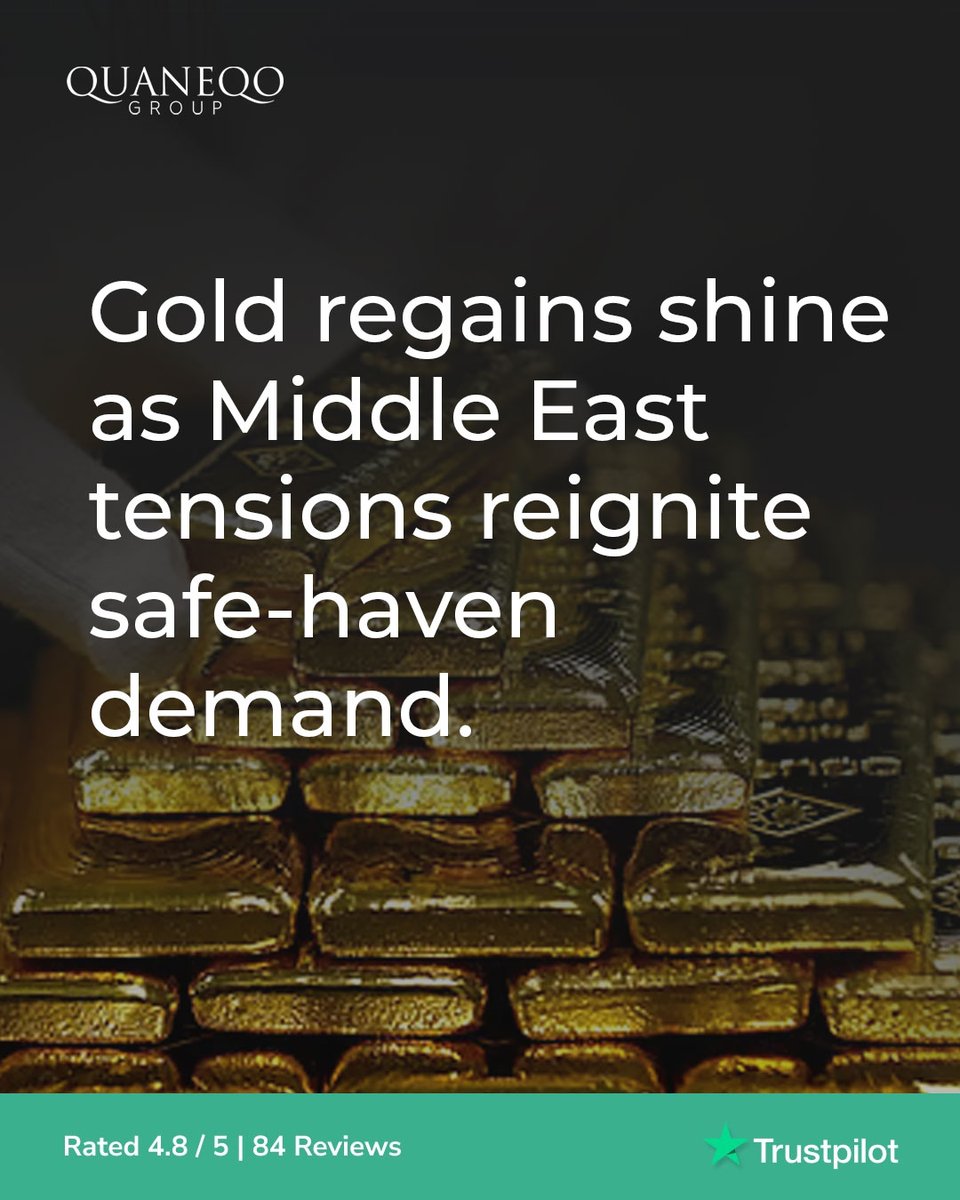
Gold’s modest gain of 0.02% on March 17, 2026, reflects the complex market dynamics currently at play in global commodities markets [0]. The yellow metal continues to hover above the psychologically significant $5,000 level, supported by safe-haven flows stemming from unresolved Middle East tensions. The conflict, which began with US/Israel strikes on Iran in late February 2026, shows no signs of abating, maintaining geopolitical risk premiums in precious metals [1][2].
However, the rally appears increasingly constrained by three countervailing forces. First, elevated oil prices—Brent crude trading near $104 per barrel—pose significant inflation risks that could keep interest rates higher for longer [2]. Second, Federal Reserve rate cut expectations have been repriced downward as markets absorb the potential for sustained inflationary pressure. Higher interest rates diminish gold’s appeal as a non-yielding asset, as investors weigh the opportunity cost of holding the metal against dividend- or interest-bearing alternatives. Third, technical indicators suggest weakening momentum, with gold breaking below the 200-period SMA on 4-hour charts, indicating potential further downside [2].
The divergence between silver’s performance (down 0.15% to $80.39) and gold’s modest gain further illustrates the nuanced market environment. Typically, silver exhibits greater sensitivity to both industrial demand and monetary policy expectations, and its underperformance relative to gold suggests traders are prioritizing safe-haven dynamics while remaining cautious about broader economic growth prospects [0].
- Geopolitical Escalation: Further Middle East conflict escalation could spike oil prices sharply, triggering inflation-driven rate concerns that cap gold gains despite safe-haven flows
- Technical Weakness: The breach below the 200-period SMA on 4-hour charts suggests potential technical downside, with support levels around $4,950-$5,000 under scrutiny [2]
- Safe-Haven Fatigue: Historical patterns indicate geopolitical risk premiums often dissipate once markets absorb conflict developments, potentially limiting gold’s upside [1]
- Dollar Strength: USD rallies continue to cap gold upside, with the currency potentially benefiting from safe-haven flows of its own
- Diplomatic Developments: Any de-escalation in Middle East tensions could unlock downside potential as risk premiums normalize
- Fed Policy Clarity: Clearer signals on rate paths could provide directional momentum for gold prices
- Technical Support Zones: Successful defense of the $4,950-$5,000 support band could establish a foundation for renewed upside
The gold market on March 17, 2026, reflects a complex equilibrium between competing forces [0]. Safe-haven demand driven by Middle East geopolitical tensions continues to provide fundamental support, with gold maintaining its position above the $5,000 psychological barrier. However, the magnitude of gains remains limited by inflation concerns stemming from elevated oil prices and the corresponding impact on Federal Reserve monetary policy expectations.
Key market metrics as of March 17, 2026 [0][2]:
- Gold (XAU/USD): $5,007.48/oz (+0.02%)
- Silver (XAG/USD): $80.39/oz (-0.15%)
- Brent Crude: ~$104.01/barrel (+0.8%)
Market participants should monitor oil inventory data, Fed communications regarding rate path expectations, and technical support levels around $4,950-$5,000 for directional cues. The resolution of Middle East tensions—either through escalation or diplomatic de-escalation—will likely serve as the primary catalyst for meaningful gold price movement in the near term.
Insights are generated using AI models and historical data for informational purposes only. They do not constitute investment advice or recommendations. Past performance is not indicative of future results.
About us: Ginlix AI is the AI Investment Copilot powered by real data, bridging advanced AI with professional financial databases to provide verifiable, truth-based answers. Please use the chat box below to ask any financial question.