FDA Vaccine Chief Vinay Prasad Departure Creates Regulatory Uncertainty for Biotech Sector
Unlock More Features
Login to access AI-powered analysis, deep research reports and more advanced features
About us: Ginlix AI is the AI Investment Copilot powered by real data, bridging advanced AI with professional financial databases to provide verifiable, truth-based answers. Please use the chat box below to ask any financial question.
Related Stocks
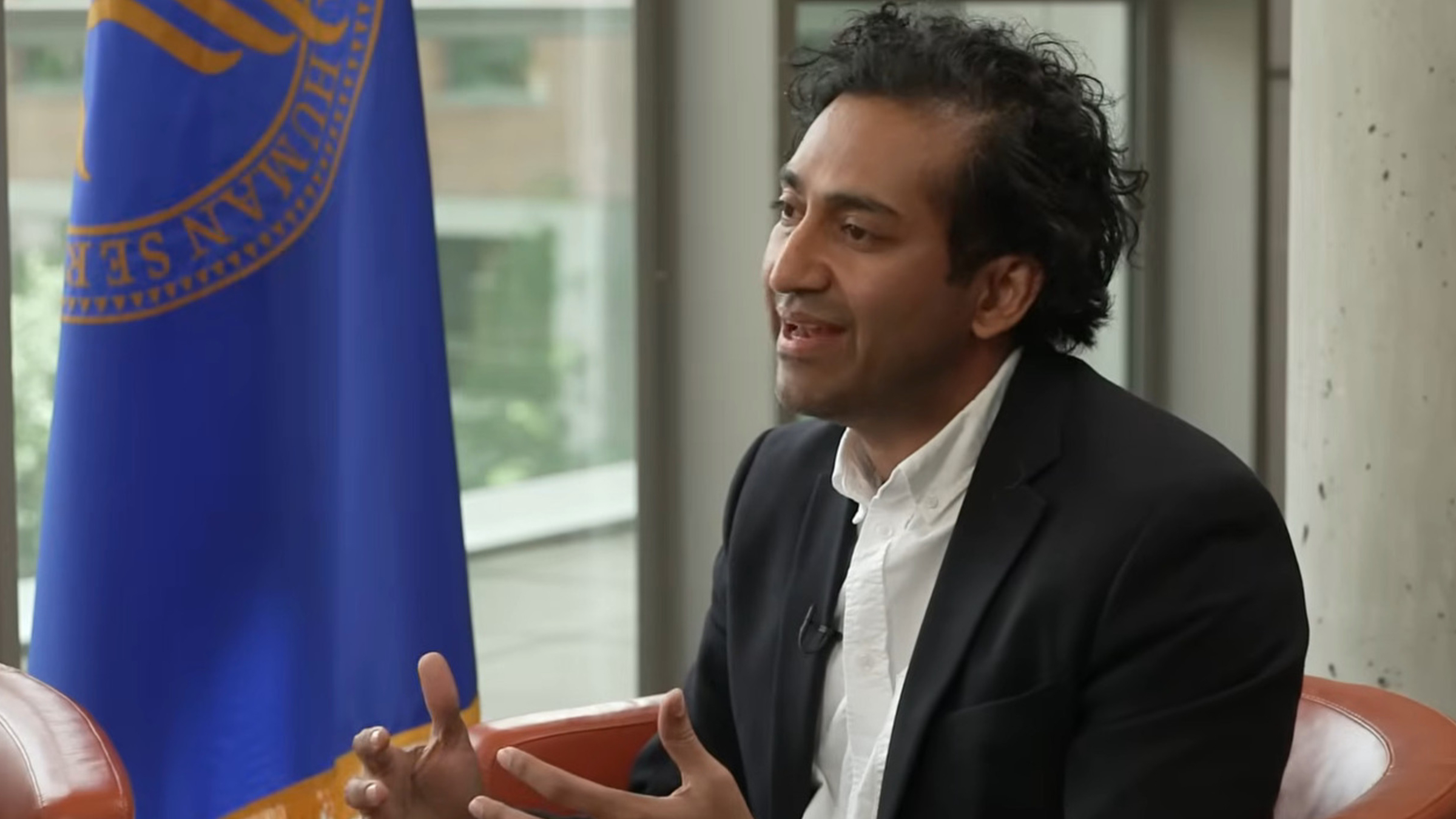
The departure of FDA vaccine chief Dr. Vinay Prasad from his position as Director of the Center for Biologics Evaluation and Research (CBER) represents a significant regulatory transition point for the biotechnology sector [1]. This analysis synthesizes the implications of his announced departure at the end of April 2026, examining both the immediate market reaction and the longer-term regulatory outlook for biotech companies.
Dr. Prasad’s appointment in May 2025 was notable because he was on a one-year sabbatical from the University of California, San Francisco (UCSF), suggesting from the outset that his tenure might be temporary [1][2]. His leadership was marked by a series of controversial decisions that created significant tension between the FDA and the biotech industry:
The most prominent controversy occurred in July 2025 when Prasad briefly resigned after pausing Duchenne muscular dystrophy gene therapy shipments, only to rejoin the agency within weeks [1][2]. In August 2025, he rejected Moderna’s mRNA flu vaccine application—a decision later reversed following White House pressure [2]. Most damaging to his credibility was a November 2025 memo claiming COVID vaccines killed at least 10 children, an assertion that lacked substantiated evidence and drew widespread criticism from the scientific community [1][2].
His stricter approach to rare disease drug approvals resulted in multiple rejections for treatments affecting patients with few therapeutic options, prompting Congressional scrutiny including an investigation launched by Sen. Ron Johnson [1][4][5]. Additionally, his narrowing of COVID booster approvals to adults 65 years and older and high-risk groups represented a significant contraction of vaccine access recommendations [1][2].
The divergent market reactions to Prasad’s departure reveal the market’s assessment of regulatory risk under his leadership. Rare disease biotech stocks experienced notable gains following the announcement, with companies like Capricor (CAPR) emerging as significant gainers [5]. This positive reaction directly reflects investor concerns about Prasad’s stringent approval standards for rare disease treatments—an area where patients often have limited alternatives and regulatory flexibility has historically been greater.
Conversely, some vaccine company shares fell over 6% following initial announcements, suggesting uncertainty about what regulatory framework will replace Prasad’s tenure [5]. This mixed response indicates the market recognizes both opportunities (potential easing of rare disease approval standards) and risks (uncertainty about vaccine policy direction under new leadership).
The departure occurs within a broader context of leadership transitions across federal health agencies, including changes at the CDC and NIH [1][2]. This administrative restructuring may signal a recalibration of regulatory priorities that could affect the entire pharmaceutical ecosystem.
FDA Commissioner Dr. Marty Makary has emphasized record approval numbers during Prasad’s tenure, framing the departure positively while acknowledging the need to announce a replacement before Prasad exits [1][3]. The successor’s regulatory philosophy will be critical—will they maintain Prasad’s stricter standards, revert to prior approaches, or establish new frameworks?
The Prasad departure illustrates the cyclical nature of regulatory oversight in biotech. Stricter regulatory periods (such as Prasad’s tenure) often create backlogs of pending applications and frustrated companies, while leadership changes can signal periods of recalibration. Companies with pending CBER reviews should prepare for potential policy shifts and maintain flexibility in their regulatory strategies.
The Congressional investigation into rare disease drug rejections launched by Sen. Ron Johnson will likely continue regardless of Prasad’s departure [5]. This suggests that the underlying policy questions—particularly around rare disease drug approval standards—transcend individual leadership tenures and reflect broader institutional debates about risk-benefit frameworks for treatments addressing unmet medical needs.
Moderna’s mRNA flu vaccine rejection and subsequent reversal represents a case study in regulatory uncertainty. With Prasad departing, companies with mRNA-based pipelines (including Moderna’s various investigational programs) will be watching closely to determine whether the review process becomes more predictable under new leadership.
The interaction between political pressure and regulatory decisions—evident in the Moderna reversal after White House intervention—highlights the ongoing tension between scientific independence and political considerations in drug approval processes. This dynamic is unlikely to change with new CBER leadership.
This analysis is based on the Investors.com report published March 17, 2026, which covered Dr. Vinay Prasad’s announced departure from his role as FDA CBER Director [1]. The key findings include:
- Departure Timing: End of April 2026; second exit in less than a year
- Market Impact: Rare disease biotech stocks rallied; some vaccine stocks declined over 6%
- Policy Legacy: Stricter approval standards for rare disease treatments; narrowed COVID booster recommendations
- Successor Outlook: FDA Commissioner Marty Makary to announce replacement before departure
- Ongoing Oversight: Congressional investigation into rare disease drug rejections continues
The regulatory landscape for biotech companies will remain uncertain until new CBER leadership is established. Stakeholders should monitor FDA communications closely for policy direction changes and evaluate portfolio exposure to companies with pending CBER reviews. The ultimate impact on the biotech sector will depend substantially on the regulatory philosophy of Prasad’s successor and the degree to which they maintain, modify, or reverse the policies established during his tenure.
Insights are generated using AI models and historical data for informational purposes only. They do not constitute investment advice or recommendations. Past performance is not indicative of future results.
About us: Ginlix AI is the AI Investment Copilot powered by real data, bridging advanced AI with professional financial databases to provide verifiable, truth-based answers. Please use the chat box below to ask any financial question.