Swarmer Inc. (SWVR) IPO Analysis: Drone Autonomy Software Debuts on Nasdaq
Unlock More Features
Login to access AI-powered analysis, deep research reports and more advanced features
About us: Ginlix AI is the AI Investment Copilot powered by real data, bridging advanced AI with professional financial databases to provide verifiable, truth-based answers. Please use the chat box below to ask any financial question.
Related Stocks
Swarmer Inc. (Nasdaq: SWVR) completed its initial public offering on March 17, 2026, becoming one of the few publicly traded companies focused specifically on drone swarm autonomy technology. The Austin, Texas-based company raised $15 million through the sale of 3 million shares at $5.00 per share, with a 30-day option for underwriters to purchase an additional 450,000 shares [1][2].
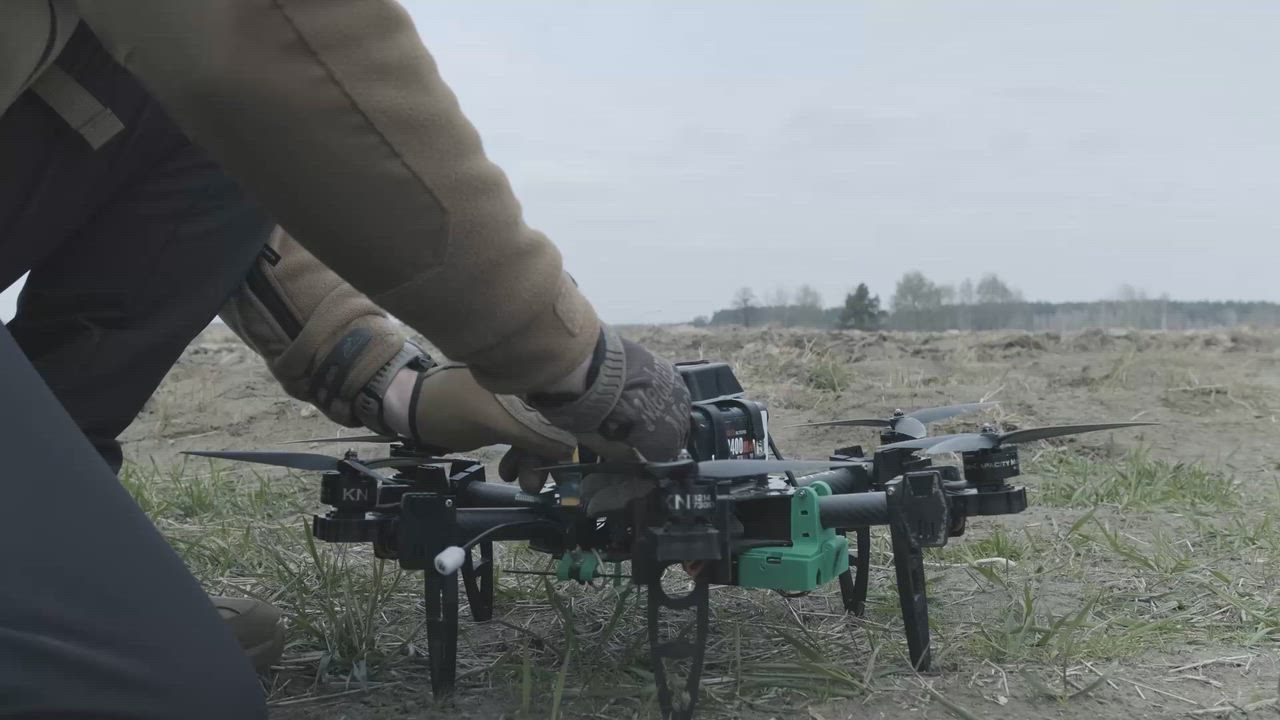
The company’s technology enables multiple drones to operate collaboratively using artificial intelligence, functioning as a vendor-agnostic software platform that drone manufacturers can license for integration with their hardware [2]. This positioning allows Swarmer to serve as a software layer across various drone platforms rather than manufacturing hardware directly.
The company’s operational history provides significant credibility for its value proposition. Since deploying technology in Ukraine combat operations beginning in April 2024, Swarmer’s systems have completed over 100,000 combat missions [3]. This real-world deployment data represents a substantial competitive advantage over theoretical or laboratory-stage competitors, as the company has demonstrated practical viability in contested electronic warfare environments.
The $16.3 million firm backlog noted at the time of IPO indicates immediate revenue visibility, though the company’s dependency on continued conflict-related defense spending creates a specific risk profile. Operations span Ukraine, Poland, and Estonia, reflecting the geographic reality of its primary market [2].
The stock’s flat trading at exactly the IPO price on the first day of trading is consistent with typical IPO market behavior, particularly for smaller offerings. This initial price stability does not necessarily indicate investor indifference but rather reflects the absence of significant buying or selling pressure during the initial trading period [0].
This analysis synthesizes findings from the initial public offering event reported by Barron’s [1] on March 17, 2026, combined with market data and supplementary sources [0][2][3]. Key data points include:
- IPO Pricing: $5.00 per share
- Shares Issued: 3 million (plus 450,000 underwriter option)
- Capital Raised: $15 million
- Ticker: SWVR (Nasdaq Capital Market)
- Combat Missions Completed: 100,000+
- Firm Backlog: $16.3 million
- First Deployment: April 2024
- Headquarters: Austin, Texas
The flat trading on debut day at exactly the IPO price reflects typical first-day behavior for smaller IPO offerings without significant immediate market momentum [0]. Future price movement will likely depend on analyst coverage initiation, institutional investor interest, and importantly, execution against the $16.3 million backlog.
Investors considering this opportunity should monitor quarterly operational updates for backlog conversion progress, any new contract announcements, and developments in the Ukraine conflict that directly affect the company’s market environment.
Insights are generated using AI models and historical data for informational purposes only. They do not constitute investment advice or recommendations. Past performance is not indicative of future results.
About us: Ginlix AI is the AI Investment Copilot powered by real data, bridging advanced AI with professional financial databases to provide verifiable, truth-based answers. Please use the chat box below to ask any financial question.