Iran's Military Weakening: Regional Power Shift and Global Energy Security Implications

#geopolitics #iran #military #energy_security #middle_east #strait_of_hormuz #us_military #regional_conflict #oil_markets #gulf_states
Mixed
General
March 18, 2026

Unlock More Features

Login to access AI-powered analysis, deep research reports and more advanced features
Iran's Military Weakening: Regional Power Shift and Global Energy Security Implications

About us: Ginlix AI is the AI Investment Copilot powered by real data, bridging advanced AI with professional financial databases to provide verifiable, truth-based answers. Please use the chat box below to ask any financial question.

Integrated Analysis

This report synthesizes the Fox Business “Big Money Show” panel discussion [1] with corroborating sources to assess the implications of Iran’s reported military weakening. The original event source presents a narrative positioning Iran as no longer possessing its historical regional “bully” status, attributing this shift to mounting evidence of equipment losses, manpower depletion, and declining morale among Iranian military forces.

The analytical framework reveals a complex geopolitical situation where conventional military degradation coexists with retained disruptive capabilities. Multiple sources confirm ongoing U.S. and Israeli military operations targeting Iranian military infrastructure [2][3]. The Kurdistan24 report indicates Gulf Arab leaders are actively urging the United States to fully degrade Iran’s military capacity, suggesting regional stakeholders view the current moment as strategically significant [4].

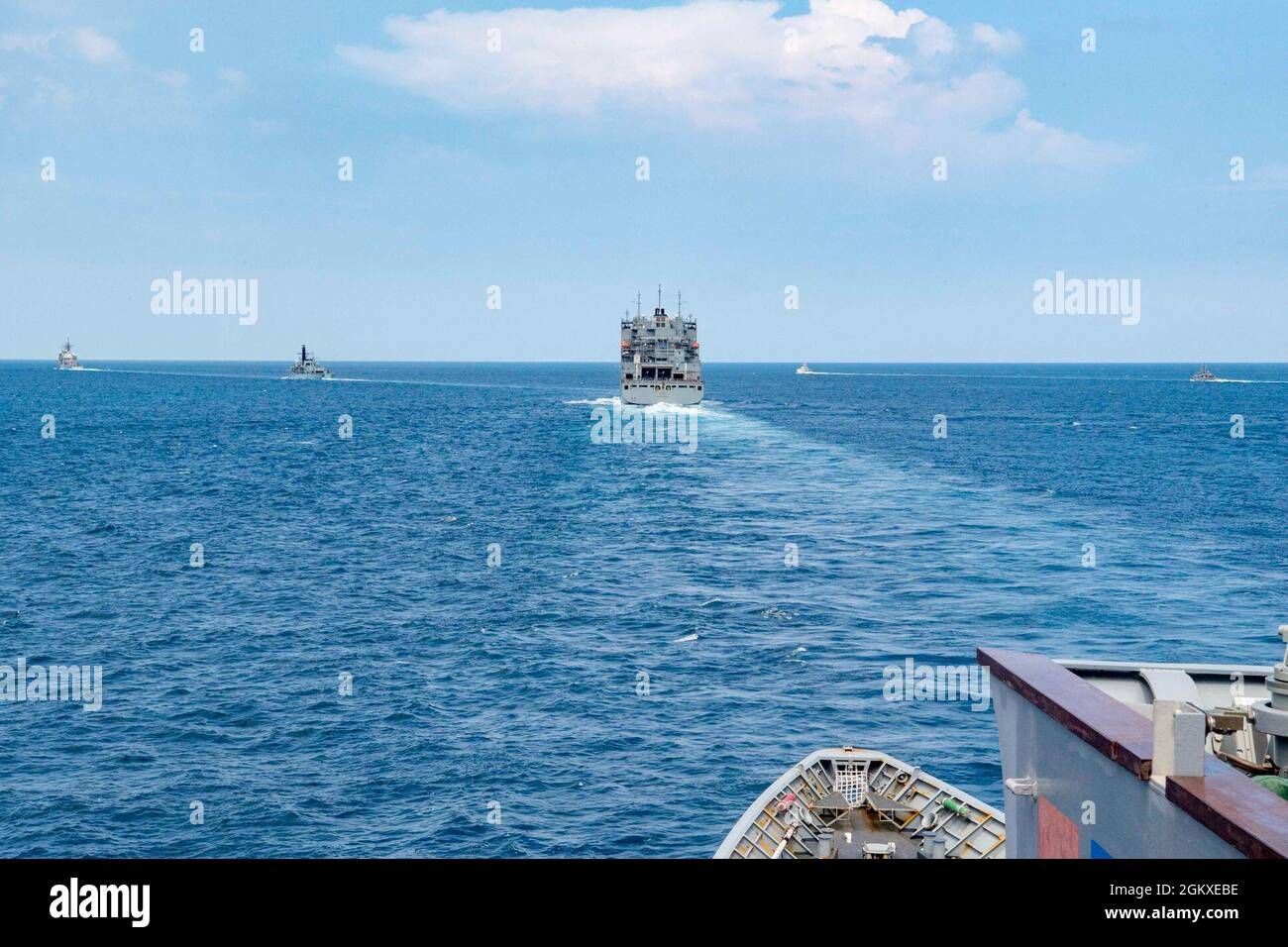
The Strait of Hormuz situation presents a critical paradox. While Iranian conventional naval forces have reportedly suffered substantial losses—with at least 11 military ships sunk in the Gulf of Oman according to CENTCOM reporting [5]—the waterway remains potentially vulnerable to disruption. This chokepoint handles roughly 20% of global oil consumption, creating inherent tension between assessed military weakness and retained asymmetric threat potential.

The temporal context warrants note: this event is dated March 17, 2026, which appears forward-dated relative to current analytical timelines. The analysis proceeds based on the provided source material and should be verified against real-time conditions as they develop.

Key Insights

Regional Power Vacuum Dynamics
: The Fox Business panel’s characterization of Iran as “no longer a bully” suggests a fundamental reshaping of Middle Eastern power dynamics. However, this assessment requires careful calibration against Iran’s retained capabilities and potential for asymmetric response. The SETA analysis emphasizes that despite losses, Iran has maintained “retaliatory capacity” and continues imposing “meaningful military, economic, and psychological costs” [3].

Gulf State Alignment Shift
: The Kurdistan24 reporting indicates Gulf Arab states are not merely observing the U.S.-Israeli campaign but actively encouraging continued pressure [4]. This represents a significant diplomatic alignment that could reshape regional security architecture if Iran’s weakness proves durable rather than temporary.

Energy Market Vulnerability
: The Strait of Hormuz disruption or closure scenario carries profound implications for global energy markets. Even a militarily weakened Iran retains the capability to threaten shipping through mines, missiles, or covert operations—capabilities less vulnerable to conventional military degradation than naval fleet assets.

Counter-Rotation Risk Assessment
: The analytical consensus suggests Iran, while losing conventional military assets, retains meaningful retaliatory options. These could include proxy attacks through regional militias, cyber operations, or attempts to further disrupt shipping despite naval losses. The Al Jazeera analysis specifically warns that destabilizing Iran risks triggering a “global economic shock” [2].

Risks & Opportunities
Risk Factors

Energy Supply Disruption
: The most immediate economic risk stems from potential Iranian attempts to disrupt or close the Strait of Hormuz as a retaliatory measure. Even partial disruption would significantly impact global oil supplies, with cascading effects on energy prices, shipping costs, and industrial production worldwide.

Regional Instability Escalation
: A destabilized Iran could trigger multiple secondary crises including internal fragmentation, increased refugee flows, intensified proxy conflicts in Iraq, Syria, Yemen, and Lebanon, and potential direct confrontation between remaining Iranian capabilities and U.S. regional forces.

Retaliatory Capacity Uncertainty
: While conventional forces degrade, Iran’s asymmetric capabilities—including ballistic missiles, proxy militias, and cyber warfare tools—remain largely intact and could be deployed in response to perceived existential threats.

Economic Shock Potential
: The Al Jazeera analysis explicitly warns that aggressive destabilization strategies risk global economic consequences [2]. The interconnected nature of modern energy markets means regional instability transmits rapidly to global commodity prices.

Opportunity Windows

Regional Diplomatic Realignment
: If Iran’s military weakness proves sustainable, Gulf states and Israel may find increased opportunities for diplomatic engagement with previously isolated regional actors. This could reshape alliance structures and open new security cooperation frameworks.

Reduced Military Tensions
: The degradation of Iranian conventional capabilities potentially reduces immediate military threat perception among Gulf states and Israel, creating space for dialogue rather than deterrence-focused security policies.

Key Information Summary

The Fox Business panel narrative positions current developments as a decisive turning point in regional power balance, with Iran’s military capability demonstrably diminished through sustained operations. However, the analytical framework reveals important nuances: Iranian military degradation coexists with retained disruptive potential, particularly regarding the Strait of Hormuz. The international community, particularly energy markets and shipping insurers, should monitor the situation for escalation indicators while recognizing that weakness does not equal incapacity for asymmetric response.

Gulf Arab state engagement appears increasingly aligned with sustained pressure on Iran, suggesting regional stakeholders view this period as strategically consequential. The intersection of military developments, diplomatic positioning, and energy security considerations creates a complex scenario requiring continuous monitoring as events develop.

Related Reading Recommendations
No recommended articles
Ask based on this news for deep analysis...
Alpha Deep Research
Auto Accept Plan

Insights are generated using AI models and historical data for informational purposes only. They do not constitute investment advice or recommendations. Past performance is not indicative of future results.