$100 Oil: Short-Term Pain For Long-Term Gain - Geopolitical Conflict Drives Energy Market Turbulence
Unlock More Features
Login to access AI-powered analysis, deep research reports and more advanced features
About us: Ginlix AI is the AI Investment Copilot powered by real data, bridging advanced AI with professional financial databases to provide verifiable, truth-based answers. Please use the chat box below to ask any financial question.
Related Stocks
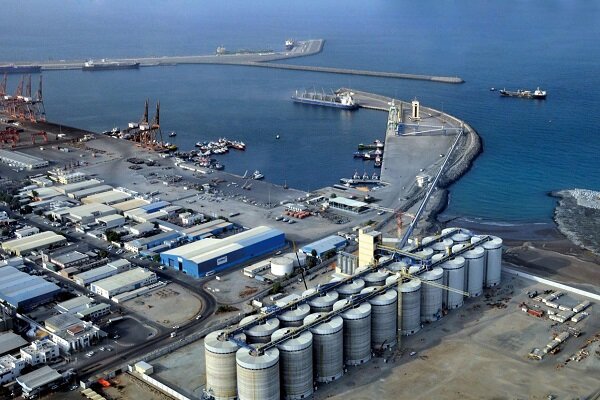
The current oil price surge to approximately $100 per barrel represents a significant geopolitical and economic inflection point, driven by the escalating conflict in Iran that has persisted for approximately three weeks [1][2][3]. The situation has evolved beyond typical supply chain concerns to encompass direct threats to critical global energy infrastructure, including attacks on UAE ports (Fujairah) and explicit threats to the Strait of Hormuz, a chokepoint responsible for roughly 20% of global oil and LNG trade [2].
From a monetary policy perspective, the implications are substantial. The Federal Reserve, which is expected to keep rates unchanged at its March 18 meeting, faces a complex recalibration of its inflation outlook [6]. The sharp decline in rate cut expectations—now with markets pricing approximately 25% probability of a rate hike in 2026—reflects the market’s assessment that energy-driven inflation could prove more persistent than previously anticipated [6]. This represents a dramatic shift from expectations earlier in the year and introduces significant uncertainty into the policy trajectory.
The IEA’s response has been unprecedented, announcing the largest-ever release of crude oil from national stockpiles, totaling 172 million barrels from the U.S. Strategic Petroleum Reserve [7]. However, this historic intervention has failed to fully stabilize prices, suggesting that geopolitical risk premiums are dominating fundamental supply considerations. Technical analysis indicates potential for further upside, with WTI facing medium-term resistance at $124 per barrel [2].
-
Fed Policy Uncertainty: The sharp decline in rate cut expectations introduces significant volatility risk for rate-sensitive sectors, including real estate, utilities, and growth technology stocks. The 25% probability of a 2026 rate hike represents a material shift in market expectations that could drive continued Treasury yield increases [6].
-
Supply Chain Vulnerability: With the Strait of Hormuz under threat and physical infrastructure damage occurring in the UAE, the risk of further supply disruptions remains elevated. Even if conflict de-escalates, damaged facilities require repair time, potentially extending supply constraints [2].
-
Inflation Second-Order Effects: Beyond direct fuel costs, elevated oil prices filter through the entire supply chain, potentially reversing recent disinflationary trends and complicating the Fed’s policy path.
-
Technical Resistance Breaches: Oil prices face medium-term technical resistance at $124 per barrel [2]. A breach of this level could trigger additional speculative buying and further inflate energy prices.
-
Energy Sector Positioning: Energy sector exposure could provide portfolio benefits in an environment of elevated oil prices, though investors should monitor for potential volatility given the geopolitical uncertainty.
-
Inflation-Protected Securities: Treasury Inflation-Protected Securities (TIPS) and commodity-linked instruments may offer hedging value as inflation expectations adjust higher.
-
Wait-and–see Approach: The relatively muted market reaction on March 17 suggests institutional investors are adopting a cautious stance ahead of the Fed meeting [0]. This patience may prove prudent given the multiple crosscurrents affecting market direction.
The current oil price surge to ~$100/barrel stems from a three-week geopolitical conflict involving Iran, with direct attacks on energy infrastructure in the UAE and threats to the Strait of Hormuz [1][2]. This represents the most significant Middle East energy supply disruption in recent memory, surpassing typical geopolitical risk premiums that historically accompany regional tensions.
The Federal Reserve faces a challenging policy environment, with the March 18 meeting occurring amid rapidly shifting inflation expectations. Market participants have dramatically repriced rate cut expectations, with interest-rate futures now indicating approximately 25% probability of a rate hike in 2026 [6]. This represents a fundamental shift in the monetary policy outlook that could affect asset valuations across multiple sectors.
The IEA’s unprecedented intervention—releasing 172 million barrels from strategic reserves—has failed to stabilize prices, indicating that geopolitical risk premiums are dominating traditional supply-demand fundamentals [7]. This suggests that price moderation is unlikely until the geopolitical situation shows meaningful de-escalation.
Market data from March 17 shows contained daily moves across major indices despite elevated trading volume, indicating that investors are maintaining a wait-and-see posture ahead of the Fed meeting [0]. The S&P 500 declined 0.09%, the NASDAQ gained 0.10%, the Dow fell 0.20%, and the Russell 2000 rose 0.28%, reflecting divergent sector performance rather than broad market direction.
The situation warrants close monitoring of the March 18 Fed decision and subsequent communications, as well as ongoing tracking of Iran conflict developments and their impact on Strait of Hormuz shipping operations.
Insights are generated using AI models and historical data for informational purposes only. They do not constitute investment advice or recommendations. Past performance is not indicative of future results.
About us: Ginlix AI is the AI Investment Copilot powered by real data, bridging advanced AI with professional financial databases to provide verifiable, truth-based answers. Please use the chat box below to ask any financial question.