Federal Reserve Holds Interest Rates Steady Amid Labor Market Deterioration and Geopolitical Uncertainty
Unlock More Features
Login to access AI-powered analysis, deep research reports and more advanced features
About us: Ginlix AI is the AI Investment Copilot powered by real data, bridging advanced AI with professional financial databases to provide verifiable, truth-based answers. Please use the chat box below to ask any financial question.
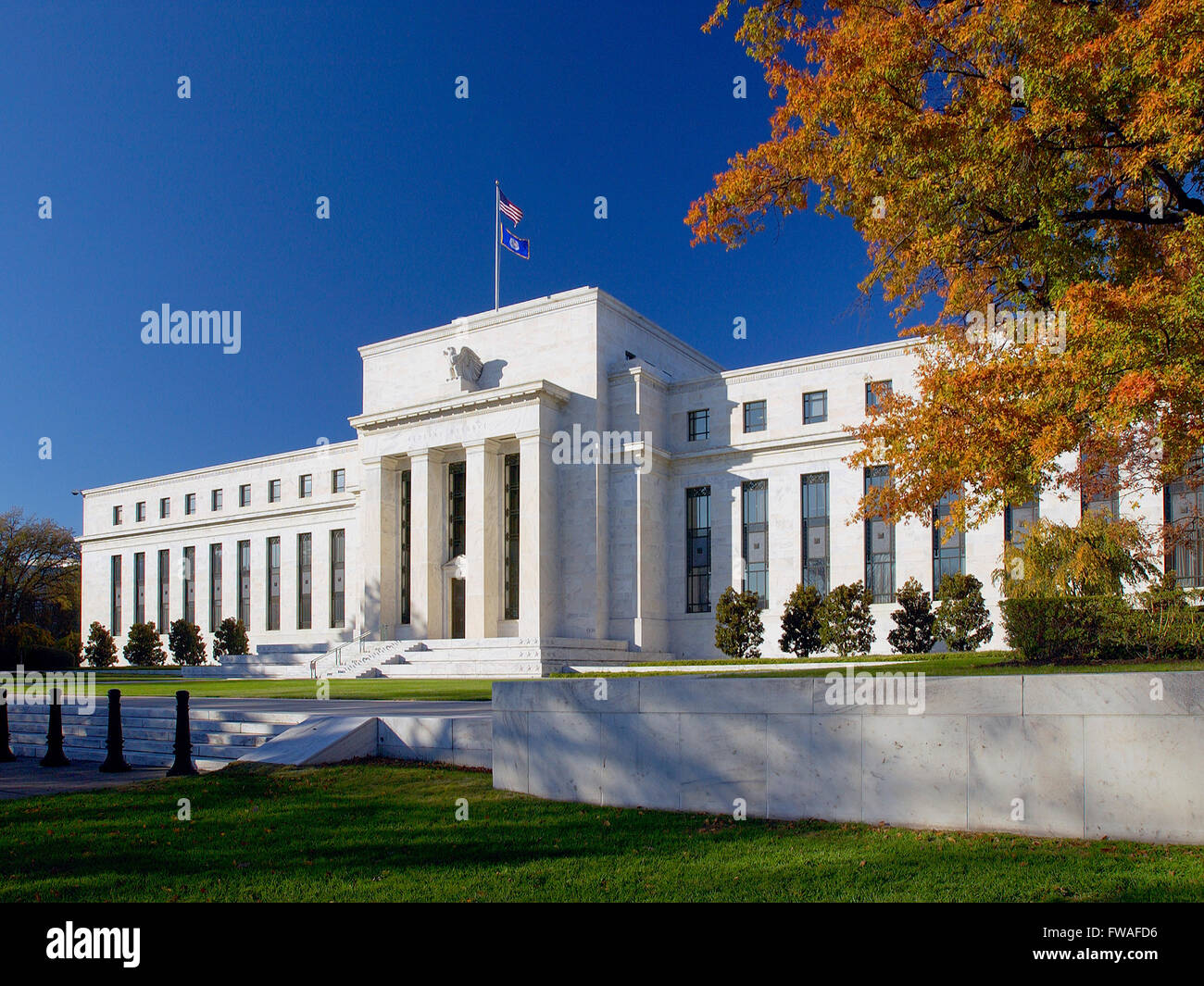
This analysis is based on the Fox Business report [1] published on March 18, 2026, which reported that Federal Reserve policymakers chose to leave interest rates unchanged at their March meeting amid a softening labor market and uncertainty over the economic impact of the Iran war.
The Federal Reserve’s decision to maintain the benchmark interest rate in the 3.5%-3.75% range reflects a deeply challenging policy environment characterized by competing economic pressures. According to comprehensive market data [0], the U.S. economy lost 92,000 jobs in February 2026, representing a significant deterioration in labor market conditions that typically would warrant accommodative monetary policy. However, the persistence of inflation at 3.1% in January—measured by the Fed’s preferred PCE index—remains substantially above the 2% target, constraining the ability to ease monetary conditions [1][2].
The geopolitical dimension adds significant complexity to the Fed’s policy calculus. Oil prices have risen above $100 per barrel from levels below $80 prior to the Iran war’s commencement, with gasoline prices escalating approximately 25% since hostilities began [2]. This energy price shock creates a stagflationary dynamic, simultaneously threatening economic growth while pushing inflation higher—the most challenging scenario for central bankers. The Wall Street Journal [3] reported that Brent crude approached $110 per barrel as markets reacted to the Fed decision, underscoring the severity of supply-side inflationary pressures.
The Federal Reserve’s updated economic projections are expected to reflect this challenging outlook, with forecasts likely showing higher inflation, elevated unemployment, and reduced economic growth compared to prior estimates [2]. The policy statement’s characterization as “two-sided” suggests significant division within the Federal Open Market Committee regarding the appropriate policy path, with some members favoring rate cuts while others advocate for additional tightening [2].
Equity markets registered negative reactions to the Fed’s decision, with the Dow Jones Industrial Average experiencing the largest decline at -0.80%, while the S&P 500 and NASDAQ Composite fell 0.40% and 0.45% respectively [0]. This market response reflects uncertainty surrounding the Fed’s policy trajectory and concerns about the economic outlook.
The interest rate environment continues to maintain elevated borrowing costs across the economy, affecting both consumer and corporate sectors. For households, mortgage rates and consumer lending rates remain at levels that constrain housing affordability and big-ticket purchases. Businesses face ongoing headwinds for capital investment and expansion decisions.
-
Inflation Persistence Risk: The 3.1% inflation rate remains 110 basis points above target, and energy price shocks from the Iran conflict could prove sticky rather than transitory. Historical evidence suggests that once inflation expectations become unanchored, the cost of restoring price stability increases substantially.
-
Labor Market Deterioration: The loss of 92,000 jobs in February represents a material shift from the employment gains observed throughout much of the post-pandemic recovery. If this trend continues, the Fed may face mounting pressure to pivot toward accommodation despite persistent inflation concerns.
-
Policy Credibility Challenge: The Fed’s dual mandate—maximum employment and price stability—is being tested by conflicting signals. Maintaining rates at current levels while both employment and inflation move in adverse directions could undermine public confidence in the central bank’s effectiveness.
-
Geopolitical Escalation: The Iran war presents tail risks that could further destabilize energy markets. Oil prices approaching $110 per barrel, as noted by the Wall Street Journal [3], suggest significant upside risk to already-elevated energy costs.
-
Growth Downgrade Risk: Updated Fed projections are expected to show materially lower growth forecasts. A sustained period of below-trend growth could have significant implications for corporate earnings, employment, and government revenues.
-
Yield Curve Normalization: Higher rates provide improved returns on savings and fixed-income instruments, benefiting savers and retirees seeking income generation.
-
Inflation Expectations Anchoring: If energy prices stabilize as the Iran situation reaches resolution, the temporary nature of the supply shock could allow inflation to moderate without aggressive policy tightening.
-
Policy Flexibility: The Fed’s decision to hold rates steady maintains optionality to respond to either deteriorating growth or renewed inflation pressure as conditions evolve.
The Federal Reserve’s March 2026 decision to maintain interest rates at 3.5%-3.75% reflects a complex economic environment where traditional monetary policy trade-offs have become particularly challenging. The U.S. economy faces concurrent pressures from a softening labor market that shed 92,000 jobs in February and persistent inflation running at 3.1%—well above the Fed’s 2% target [1][2].
The geopolitical dimension introduced by the Iran conflict has significantly complicated the policy landscape, pushing oil prices above $100 per barrel from pre-war levels below $80 and driving gasoline prices up approximately 25% [2]. This energy price shock creates a stagflationary dynamic that limits the Fed’s ability to stimulate economic growth through traditional rate cuts.
The upcoming leadership transition, with Kevin Warsh nominated to replace Jerome Powell, introduces additional considerations for the policy outlook. The “two-sided” characterization of the Fed’s policy stance indicates that the next rate move could be either an increase or decrease, contingent on how economic conditions evolve [2].
Market participants should monitor the forthcoming Fed projections for updated economic forecasts, assess portfolio exposure to interest-rate sensitive sectors, and track energy price movements closely as these represent key variables in the economic outlook.
Insights are generated using AI models and historical data for informational purposes only. They do not constitute investment advice or recommendations. Past performance is not indicative of future results.
About us: Ginlix AI is the AI Investment Copilot powered by real data, bridging advanced AI with professional financial databases to provide verifiable, truth-based answers. Please use the chat box below to ask any financial question.